
Innovations in Live Fish Shipping: Custom Protocols and Packing Methods
Custom Protocols and Packing Methods in Global Live Fish Shipping: A Deep Dive
The global live fish shipping industry is a complex and highly specialized field, requiring meticulous attention to detail to ensure the safe and healthy transportation of aquatic species across the world. As the demand for exotic and rare fish species continues to grow, the need for efficient and reliable shipping protocols has become increasingly important. In this article, we will delve into the latest developments in international custom protocols and packing methods used by global live fish shipping firms, highlighting the key trends and innovations that are shaping the industry.
Historical Context: The Evolution of Live Fish Shipping
The practice of shipping live fish dates back centuries, with early traders using simple yet effective methods to transport fish across long distances. However, it wasn’t until the mid-20th century that the modern live fish shipping industry began to take shape. The development of air transportation and the introduction of specialized shipping containers revolutionized the industry, enabling the rapid and safe transport of live fish to destinations around the world.
Today, the global live fish shipping industry is a multi-billion dollar market, with thousands of species being transported every year. The industry is driven by a complex network of breeders, wholesalers, and retailers, all working together to meet the growing demand for live fish. Despite the many advances that have been made, the industry still faces significant challenges, including the need to balance the demand for exotic species with the need to protect endangered populations and prevent the introduction of invasive species.
International Custom Protocols: Regulations and Guidelines
The international live fish shipping industry is subject to a complex array of regulations and guidelines, designed to ensure the safe and humane transportation of live fish. These protocols are established by national and international authorities, including the International Air Transport Association (IATA) and the World Organisation for Animal Health (OIE).
Some of the key regulations and guidelines governing the international live fish shipping industry include:
- The IATA Live Animals Regulations, which provide detailed guidelines for the transportation of live animals by air
- The OIE Aquatic Animal Health Code, which sets out standards for the transportation of live aquatic animals
- The Convention on International Trade in Endangered Species of Wild Fauna and Flora (CITES), which regulates the trade in endangered species
- National and regional regulations, such as the US Endangered Species Act and the EU Animal Health Regulation
These regulations and guidelines are designed to ensure that live fish are transported in a safe and humane manner, and that the risk of disease transmission and environmental damage is minimized.
Packing Methods: Innovations and Best Practices
The packing of live fish for shipping is a critical component of the transportation process, requiring careful attention to detail to ensure the safe and healthy arrival of the fish at their destination. There are several different packing methods used in the industry, each with its own advantages and disadvantages.
Some of the most common packing methods used in the live fish shipping industry include:
- Plastic bags: a simple and cost-effective method, but one that requires careful monitoring of water quality and temperature
- Styrofoam boxes: a more expensive option, but one that provides better insulation and protection for the fish
- Specialized shipping containers: designed specifically for the transportation of live fish, these containers provide a safe and healthy environment for the fish during transport
In addition to these packing methods, there are several best practices that can be used to minimize the risk of mortality and stress during transport. These include:
- Acclimating the fish to the shipping water prior to transport
- Monitoring water quality and temperature during transport
- Providing adequate oxygenation and ventilation during transport
- Minimizing handling and disturbance during transport
By following these best practices and using the most effective packing methods, live fish shipping firms can minimize the risk of mortality and stress during transport, and ensure the safe and healthy arrival of the fish at their destination.
Case Studies: Successful Live Fish Shipping Operations
There are many examples of successful live fish shipping operations around the world, each with its own unique challenges and opportunities. One such example is the live fish shipping operation run by the Singapore-based company, Aquarium Fish Exporters.
Aquarium Fish Exporters has been in operation for over 20 years, and has established itself as one of the leading live fish shipping companies in the region. The company specializes in the export of exotic and rare fish species, and has developed a reputation for its high-quality fish and excellent customer service.
One of the key factors contributing to the company’s success is its commitment to using the most effective packing methods and following best practices for live fish transportation. The company uses specialized shipping containers that are designed specifically for the transportation of live fish, and provides careful monitoring of water quality and temperature during transport.
Another example of a successful live fish shipping operation is the US-based company, Live Fish Transport. Live Fish Transport specializes in the transportation of live fish for the aquarium trade, and has developed a reputation for its high-quality fish and excellent customer service.
The company uses a combination of plastic bags and Styrofoam boxes for packing, and provides careful monitoring of water quality and temperature during transport. The company also offers a range of additional services, including fish acclimation and quarantine, to help minimize the risk of mortality and stress during transport.
Technical Explanations: The Science Behind Live Fish Shipping
The live fish shipping industry is a complex and highly specialized field, requiring a deep understanding of the biology and physiology of fish. One of the key factors that must be considered when shipping live fish is the need to maintain a stable and healthy environment during transport.
This includes providing adequate oxygenation and ventilation, as well as maintaining a stable water temperature and chemistry. The fish must also be protected from physical stress and injury during transport, which can be achieved through the use of specialized packing materials and careful handling.
In addition to these factors, the live fish shipping industry must also consider the risk of disease transmission during transport. This can be minimized through the use of proper disease testing and screening protocols, as well as the implementation of strict biosecurity measures.
Some of the key technical considerations that must be taken into account when shipping live fish include:
- Water quality and chemistry: the water must be of high quality and free from pollutants and toxins
- Temperature: the water temperature must be within a safe range for the fish, and must be maintained at a stable level during transport
- Oxygenation and ventilation: the fish must have access to adequate oxygen and ventilation during transport
- Lighting: the fish must be protected from excessive light during transport, which can cause stress and discomfort
By understanding these technical considerations and taking steps to minimize the risk of mortality and stress during transport, live fish shipping firms can ensure the safe and healthy arrival of the fish at their destination.
The Future of Live Fish Shipping: Trends and Innovations
The live fish shipping industry is constantly evolving, with new trends and innovations emerging all the time. One of the key trends that is currently shaping the industry is the increasing demand for sustainable and eco-friendly shipping practices.
This includes the use of biodegradable packing materials, as well as the implementation of carbon offsetting and other environmental sustainability measures. Another trend that is emerging is the use of advanced technology, such as GPS tracking and real-time monitoring, to improve the efficiency and safety of live fish transportation.
Some of the other key trends and innovations that are shaping the future of the live fish shipping industry include:
- The increasing use of aquaculture and fish farming to meet the growing demand for live fish
- The development of new and innovative packing methods, such as the use of specialized containers and gel packs
- The implementation of stricter regulations and guidelines, such as the EU’s Animal Health Regulation, to ensure the safe and humane transportation of live fish
By staying ahead of these trends and innovations, live fish shipping firms can position themselves for success in a rapidly changing and highly competitive industry.
Expert Insights: The Importance of Collaboration and Cooperation
The live fish shipping industry is a complex and highly specialized field, requiring collaboration and cooperation between a range of different stakeholders. This includes breeders, wholesalers, and retailers, as well as regulatory authorities and other industry experts.
One of the key benefits of collaboration and cooperation is the sharing of knowledge and expertise, which can help to improve the safety and efficiency of live fish transportation. This can also help to minimize the risk of disease transmission and environmental damage, and ensure the long-term sustainability of the industry.
Some of the other benefits of collaboration and cooperation in the live fish shipping industry include:
- Improved communication and coordination between stakeholders
- Increased transparency and accountability throughout the supply chain
- Enhanced reputation and credibility for the industry as a whole
By working together and sharing knowledge and expertise, the live fish shipping industry can build a safer, more sustainable, and more successful future for all stakeholders involved.
Reflecting on the Future: The Enduring Importance of Live Fish Shipping
As we look to the future of the live fish shipping industry, it is clear that there are many challenges and opportunities ahead. From the increasing demand for sustainable and eco-friendly shipping practices, to the need for collaboration and cooperation between stakeholders, there are many factors that will shape the industry in the years to come.
Despite these challenges, the live fish shipping industry remains a vital and important part of the global economy, providing a source of income and livelihood for thousands of people around the world. The industry also plays a critical role in the conservation and management of aquatic resources, helping to promote the long-term sustainability of fish populations and ecosystems.
As we move forward, it is essential that we prioritize the safety and well-being of the fish, as well as the needs and concerns of the people and communities involved in the industry. By working together and sharing knowledge and expertise, we can build a brighter, more sustainable future for the live fish shipping industry, and for the many people and communities that depend on it.
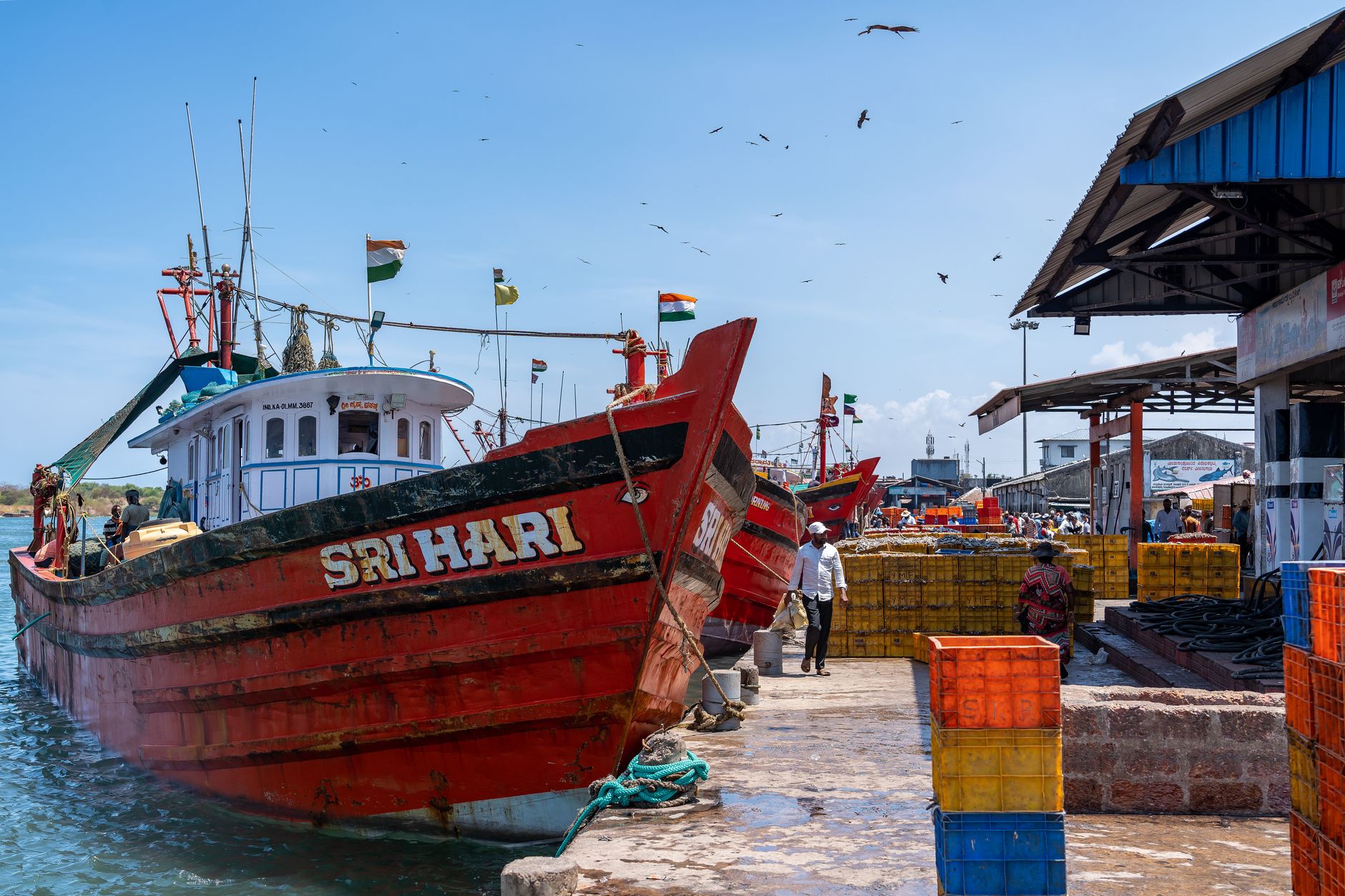
Photo by Janam Parikh (via Pexels)