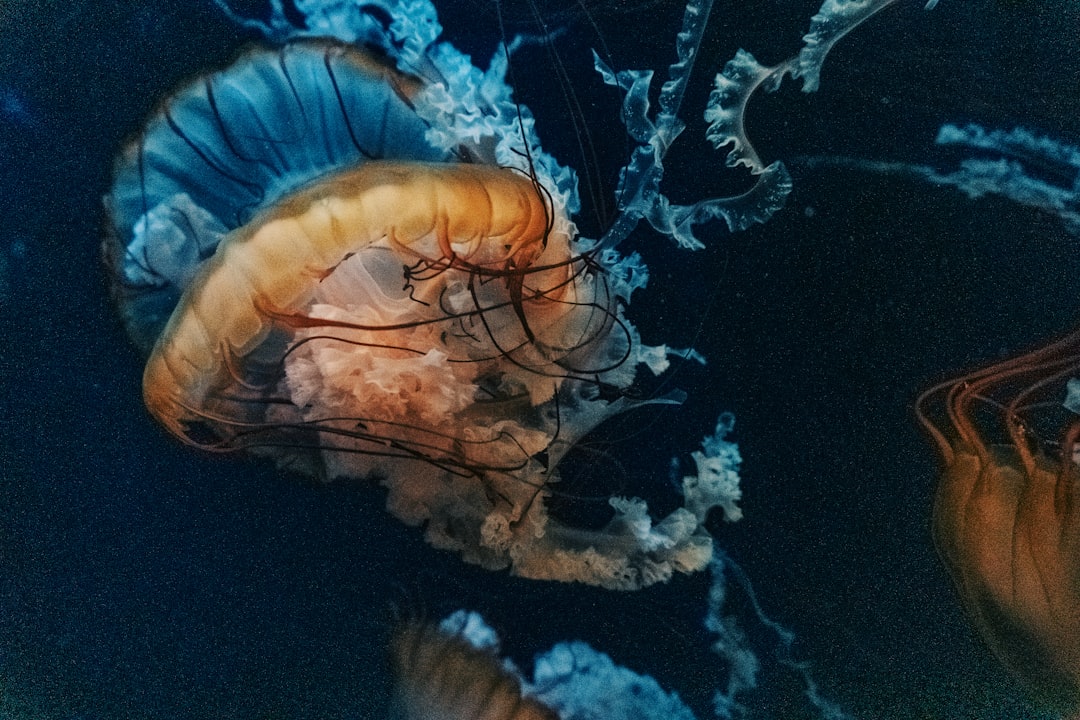
Jellyfish Tank Setup Guide
Introduction to Jellyfish Tank Setup
Jellyfish have been a popular choice for home aquariums in recent years, and it’s easy to see why. Their ethereal beauty and mesmerizing movements can be hypnotic to watch. However, setting up a jellyfish tank can be a challenging task, especially for beginners. In this article, we’ll provide a comprehensive guide on how to set up a jellyfish tank, including the essential equipment, water parameters, and tips for maintaining a healthy and thriving environment for your jellyfish.
Choosing the Right Equipment
When it comes to setting up a jellyfish tank, the right equipment is crucial. You’ll need a specialized tank that is designed specifically for jellyfish, with a rounded or cylindrical shape to prevent them from getting stuck in the corners. A good quality protein skimmer is also essential to remove waste and excess nutrients from the water. Additionally, you’ll need a heater, a thermometer, and a hydrometer to monitor the water temperature and salinity levels.
Some other equipment you may want to consider include a jellyfish-safe filter, a UV sterilizer, and a water pump. It’s also important to choose equipment that is specifically designed for saltwater aquariums, as freshwater equipment may not be compatible with the high salinity levels required for jellyfish.
Water Parameters and Quality
Water parameters and quality are critical when it comes to keeping jellyfish healthy and thriving. Jellyfish require a salinity level of around 1.020-1.025, and a water temperature of between 12-18°C (54-64°F). The water should also be well-oxygenated, with a pH level between 8.0-8.3. Regular water changes are essential to maintain optimal water quality, and you should aim to change around 10-15% of the water every week.
It’s also important to monitor the water parameters regularly, using a hydrometer and a pH test kit. You should also perform regular water tests to check for ammonia, nitrite, and nitrate levels, and take action if you notice any significant changes.
Tips for Maintaining a Healthy Environment
Maintaining a healthy environment for your jellyfish requires regular monitoring and maintenance. Here are some tips to help you keep your jellyfish tank thriving:
- Feed your jellyfish a varied diet that includes live or frozen brine shrimp, plankton, and other small crustaceans.
- Provide your jellyfish with plenty of hiding places and visual barriers, such as rocks or plants.
- Avoid over-handling your jellyfish, as this can cause them stress and damage their delicate bodies.
- Keep the tank away from direct sunlight, which can cause algae growth and increase the risk of disease.
- Regularly clean the tank and equipment to prevent the buildup of bacteria and other microorganisms.
Advanced Jellyfish Tank Setup Techniques
Once you have the basics of jellyfish tank setup down, you can start to experiment with more advanced techniques. One popular method is to create a jellyfish-friendly environment by adding live rock or sand to the tank. This can help to create a natural ecosystem, with beneficial bacteria and other microorganisms that can help to maintain optimal water quality.
Another advanced technique is to use a jellyfish-safe chemical additive to enhance the water quality and promote healthy growth. These additives can include products that help to reduce stress, promote color and vitality, and enhance the overall health and well-being of your jellyfish.
Common Mistakes to Avoid
When setting up a jellyfish tank, there are several common mistakes to avoid. One of the most common mistakes is to overfeed the jellyfish, which can lead to poor water quality and an increased risk of disease. Another mistake is to neglect regular water changes, which can cause a buildup of toxins and waste products in the tank.
Here are some other common mistakes to avoid:
- Not providing enough hiding places or visual barriers for the jellyfish.
- Using equipment that is not specifically designed for saltwater aquariums.
- Not monitoring the water parameters regularly.
- Not performing regular water changes.
- Over-handling the jellyfish.
If you’re interested in setting up a jellyfish tank, or if you’re looking for more information on how to care for your jellyfish, be sure to check out our upcoming issues of Aquarium Asia. We’ll have more articles, tips, and expert advice on all aspects of aquarium care, including jellyfish tank setup and maintenance.
Thanks for reading, and happy aquascaping! If you have any questions or comments, please don’t hesitate to reach out to us. We’d love to hear from you and help you with any aquarium-related queries you may have.
Photo by HVXLII on Unsplash