When Disasters Strike: Saving Your Clownfish After a Power Outage
When Disasters Strike: Saving Your Clownfish After a Power Outage
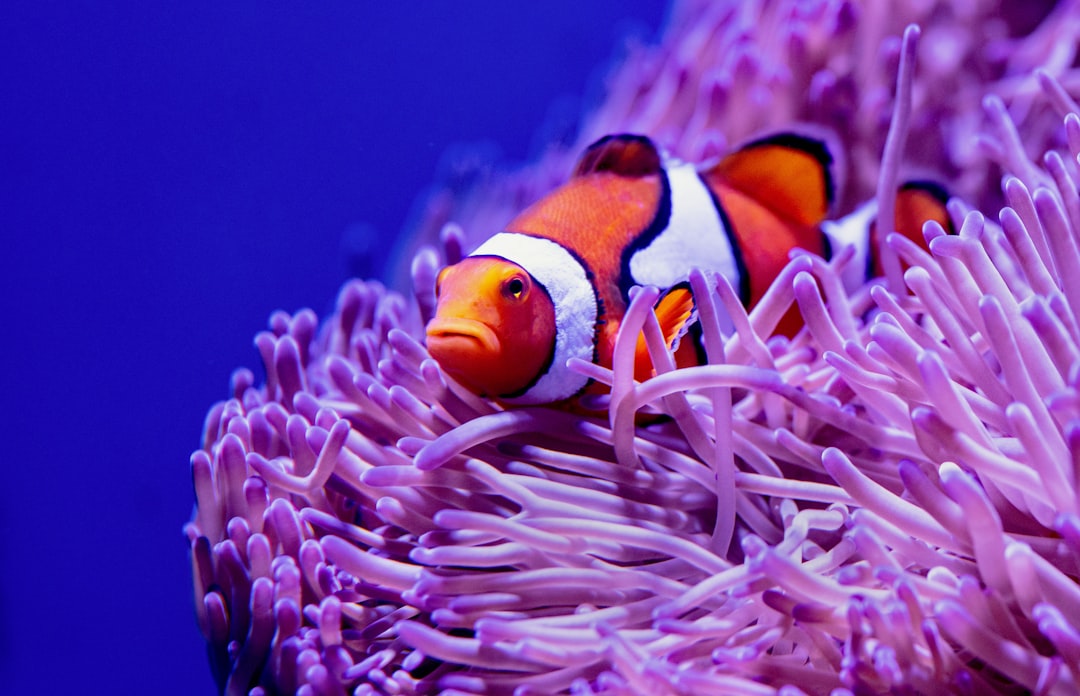
It’s the moment every aquarist dreads. The lights flicker, the hum of your filter goes silent, and suddenly you’re staring at your clownfish—those vibrant, fearless little personalities you’ve watched dart through your anemone—gasping at the surface. Your heart races. Your mind jumps to the worst-case scenario. But here’s the thing: you can act, and you can save them. Power outages happen without warning, whether from a summer storm, a fallen tree, or a grid failure. What matters is what you do in the minutes and hours that follow. This guide walks you through exactly what you need to know, from the first signs of trouble to long-term recovery, so you can turn panic into a plan.
Gasping at the Surface: What Your Fish Are Telling You
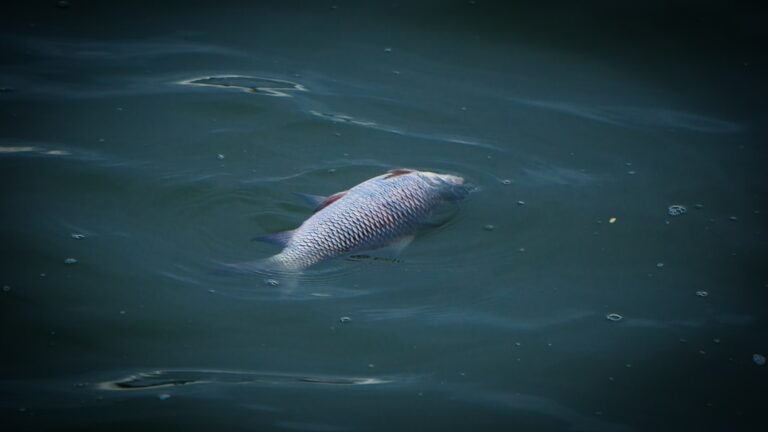
Your clownfish won’t send you a text when they’re in distress. They show you. Gasping at the surface—rapid gill movements, open mouths, a frantic search for oxygen—is the most obvious red flag. But it’s not the only one. Watch for your fish hovering near the water’s surface, even if the filter seems to be running. Look for lethargy: a normally active clown that spends more time resting on the substrate or hiding in a corner. You might also notice a loss of appetite or pale coloration. These are all signs that dissolved oxygen levels have dropped, and your fish are struggling to breathe. In a power outage, the primary culprit is the loss of water movement. Without circulation, oxygen exchange at the surface slows to a crawl, and waste products build up faster than you think. Your clownfish, being sensitive to these changes, show you the problem first. Act on these signals immediately—they’re your fish’s only way of saying, “Help me.”
The Cup-Pouring Method: Your First Line of Defense
When you see gasping, don’t wait for the power to come back. Your first job is to manually restore oxygen to the water. Grab a clean cup or a small bucket. Scoop up aquarium water and pour it back into the tank from a height—this creates surface agitation and traps air as it splashes. Repeat this every 15 to 20 minutes. It’s simple, it’s manual, and it works. For a more sustained solution, you can use a battery-powered air pump. These small devices—often sold as “emergency air pumps” or “battery-operated bubblers”—plug into an air stone and run on D-cell or rechargeable batteries. Keep one in your fish room; they’re inexpensive and can run for hours. If you don’t have one, a clean turkey baster or a straw (yes, really) can be used to gently blow air into the water column. Just be sure your lips never touch the water—contaminants are the last thing you need. The goal here is to break the surface tension and introduce oxygen until your primary equipment kicks back on.
The Hidden Danger: Ammonia and the Die-Off
Here’s what no one talks about in the first frantic moments: even if your fish survive the initial lack of oxygen, a power outage can trigger a cascade of water quality problems. When your filter stops, beneficial bacteria—the ones that process toxic ammonia into less harmful nitrates—start to die off. Within a few hours, ammonia levels can climb dangerously high. Your clownfish, already stressed from gasping, are now swimming in poison. You need to test your water. Use a liquid test kit to check ammonia and nitrite levels every 12 hours during the outage. If you see a reading above zero for ammonia (or above any measureable level for nitrite), you need to intervene. A partial water change—10 to 20 percent—using dechlorinated water matched to your tank temperature will immediately dilute the toxins. If you can’t do a water change, a bottle of quick-acting water conditioner that detoxifies ammonia (look for products labeled “ammonia detoxifier” or those containing sodium hydroxymethane sulfonate) can buy you time. Add it directly to the tank, following the dosage instructions. This is a stopgap, but it’s a critical one. The bacteria in your filter will recover once power returns, but your fish need you to manage the spike in the meantime.
Temperature Drop: Insulating Your Tropical World
Your aquarium heater is likely off during a power outage, and the temperature of your tank can drop significantly over a few hours. Clownfish are tropical fish—they thrive in water between 75 and 82°F. If your tank falls below 70°F, your fish become sluggish, their immune systems weaken, and they become more susceptible to disease. If the temperature drops below 65°F, you’re in critical territory. Insulate the tank immediately. Wrap the sides and top in blankets, towels, or even a sleeping bag. Leave a small gap at the surface for gas exchange. Place a hot water bottle (not boiling, just warm to the touch) against the side of the glass, but never inside the tank, to add some heat. If you have a gas stove, you can heat water on the stove and float a sealed plastic container of it inside the tank—but be meticulous about sealing it and monitoring the temperature. Do not use candles or open flames near the tank. The goal is to slow the temperature drop and keep your fish out of the danger zone. Once power returns, gradually raise the temperature back to normal over several hours—sudden swings are just as harmful as the cold itself.
Battery Backup: The Investment That Pays Off at 3 AM
You cannot predict the next power outage, but you can prepare for it. A battery backup system—essentially a large external battery pack or a UPS (uninterruptible power supply)—is the single best investment you can make for your tank. It plugs into your wall outlet and your equipment plugs into it. When mains power fails, the backup kicks in instantly, keeping your filter, heater, and lights running for a limited time. For a typical 50-gallon tank with a single canister filter and a heater, a 1000VA UPS can provide about 2 to 4 hours of runtime. For larger tanks or more equipment, you’ll need a higher-capacity unit. Look for a “pure sine wave” UPS if you have sensitive electronic equipment like LED lights or controllers—it delivers cleaner power. Alternatively, you can use a small portable power station (often sold for camping or backup) that can run your critical equipment for several hours. Some aquarists use a dedicated deep-cycle marine battery with a power inverter. Whichever route you choose, test your setup: plug your equipment into the battery and run it for a full charge cycle to verify you have enough capacity. This is not a luxury. It’s a life insurance policy for your fish.
Nano Tank, Bigger Risks: Under 20 Gallons
If you’re keeping clownfish in a smaller nano tank—say, under 20 gallons—a power outage presents a unique set of risks. Smaller water volumes heat up and cool down faster, and they have less buffering capacity for water quality swings. A 10-gallon tank can drop several degrees in an hour, and ammonia can spike within a few hours. You must act more aggressively. In a small tank, manual oxygenation—the cup-pouring method—can be done every 10 minutes because the water volume is easier to agitate. You can also place a small, battery-powered air stone directly in the tank and run it continuously. For temperature, a single hot water bottle wrapped in a towel can keep a nano tank stable for several hours. But here’s the key: because the water volume is small, you can more easily do a complete water change if needed. Have several gallons of pre-mixed, dechlorinated, temperature-matched water ready to go. In a pinch, you can even use bottled spring water (check that it’s not distilled or demineralized) as a temporary emergency fill. Nano tanks are nimble—use that to your advantage.
Power Returns: Now What?
The power clicks back on. Your equipment hums to life. Your first instinct is to celebrate, but your work isn’t done yet. Don’t instantly restore full operation. Let your equipment run for 30 minutes on the low setting (if your filter has a flow control) to avoid overwhelming your fish with sudden current. Test your water immediately for ammonia, nitrite, and temperature. If ammonia is elevated, do a 20 percent water change. If the temperature is off, let it climb back slowly—no more than 1°F per hour. Observe your clownfish closely over the next 48 hours. They may appear stressed, with clamped fins or hiding behavior. This is normal. Feed them sparingly—a small pinch of their usual food—and watch for active eating. If they refuse food, reduce light levels for a day to lower stress. You can also add a stress coat additive to the water to help replace their protective slime layer. Watch for signs of disease: white spots (ich), fin rot, or lethargy that persists beyond a day. If you see any, treat with a gentle, stress-reducing medication. Your fish have been through an ordeal. Give them time, good water, and patience to recover fully.
Building a More Resilient System
A single power outage teaches you things you never knew you needed to know. Consider adding a secondary filtration system that runs on a different circuit—a sponge filter powered by an air pump that can run on batteries in an emergency. Install a temperature alarm that sends an alert to your phone if the water drops below a threshold. Keep a dedicated emergency kit near your tank: extra air stones, a battery-powered air pump, a backup heater, a water test kit, and a bottle of ammonia detoxifier. Label everything clearly. You might also consider joining an aquarium club or online forum where members can lend you equipment during a crisis. Some stores even offer emergency rental air pumps for local customers. Document what happened—the time of the outage, the actions you took, the results. Next time, you’ll be faster, calmer, and more effective.
Your Quick-Reference Checklist
When the lights go out and your clownfish start gasping, keep this list by the tank:
- Immediate oxygen: Pour water from height every 15 minutes or use a battery-powered air pump.
- Test water: Check ammonia and nitrite every 12 hours.
- Manage temperature: Insulate the tank with blankets; use hot water bottles if needed.
- Partial water change: 10–20 percent if ammonia spikes.
- Plan your backup: Invest in a UPS or battery power station before the next outage.
- Recover slowly: Let equipment run on low for 30 minutes; monitor fish for 48 hours.
You’ve built a world for your clownfish. When that world is threatened, you are their only lifeline. With a calm head and a prepared hand, you can guide them through the storm. The next time the power flickers, you won’t panic. You’ll act. And your clownfish will keep swimming, vivid and alive, because you knew exactly what to do.
📷 Photos: David Clode (Unsplash), David Clode (Unsplash)