Setting Up a Thriving Arowana Aquarium
Creating a Happy Home for Your Arowana Fish
Keeping an arowana fish can be a thrilling experience, but it requires attention to detail and a commitment to providing the right environment. In this article, we’ll dive into the simple tank requirements for keeping your arowana fish happy and thriving. From choosing the right tank size to selecting the perfect decorations, we’ll cover it all.
Tank Size and Shape
One of the most critical factors in keeping an arowana fish happy is providing a tank that’s large enough. Arowanas are active swimmers and need plenty of room to move around. A minimum tank size of 55 gallons is recommended, but larger tanks are always better. When it comes to tank shape, a long and wide tank is ideal, as it provides your arowana with plenty of swimming space.
Here are some things to consider when choosing a tank:
- Length: A longer tank provides more swimming space for your arowana.
- Width: A wider tank gives your arowana more room to turn and maneuver.
- Height: Arowanas are surface-dwellers, so a taller tank isn’t necessary. However, a tank that’s at least 18 inches tall is recommended.
Water Parameters
Arowanas are sensitive to water parameters, so it’s essential to maintain optimal conditions. Here are some guidelines to follow:
Water temperature: Arowanas prefer warm water, with a temperature range of 75-82°F (24-28°C).
pH levels: Arowanas thrive in slightly acidic to neutral water, with a pH range of 6.5-7.5.
Water hardness: Arowanas prefer soft to moderately hard water, with a water hardness range of 5-10 dGH.
Here are some tips for maintaining optimal water parameters:
- Use a high-quality water heater to maintain a stable temperature.
- Monitor pH levels regularly and make adjustments as necessary.
- Perform regular water changes to maintain optimal water hardness.
Decorations and Hiding Places
Arowanas are naturally skittish and need plenty of hiding places to feel secure. Here are some decoration ideas to create a comfortable environment:
Plants: Live plants are an excellent addition to an arowana tank, as they provide hiding places and help maintain optimal water parameters.
Rocks and driftwood: Adding rocks and driftwood to your tank creates hiding places and visual interest.
Caves: Arowanas love to hide in caves, so consider adding one or two to your tank.
Here are some tips for decorating your tank:
- Choose plants that are compatible with your arowana’s water parameters.
- Arrange rocks and driftwood to create hiding places and visual interest.
- Place caves in areas where your arowana can easily access them.
Lighting and Filtration
Arowanas are sensitive to light, so it’s essential to provide gentle illumination. Here are some lighting options to consider:
LED lighting: LED lights are energy-efficient and provide gentle illumination.
T5 lighting: T5 lights are another option, but be sure to use a diffuser to reduce glare.
When it comes to filtration, arowanas require strong water circulation to thrive. Here are some filtration options to consider:
Canister filters: Canister filters provide strong water circulation and are easy to maintain.
Hang-on-back filters: Hang-on-back filters are another option, but be sure to choose one that’s designed for large tanks.
Here are some tips for lighting and filtration:
- Use a timer to simulate day and night cycles.
- Choose a filter that’s designed for your tank size and arowana’s needs.
- Perform regular maintenance on your filter to ensure optimal performance.
Feeding and Nutrition
Arowanas are carnivores and require a diet rich in protein. Here are some feeding tips to keep your arowana happy and healthy:
Feed a variety of foods: Arowanas thrive on a varied diet that includes meaty foods like bloodworms, brine shrimp, and earthworms.
Feed live foods: Live foods like feeder fish and crickets provide essential nutrients and stimulation.
Avoid overfeeding: Arowanas are prone to overeating, so be sure to feed them in moderation.
Here are some tips for feeding your arowana:
- Feed your arowana 2-3 times a day, only as much as they can consume within a few minutes.
- Use a variety of foods to ensure your arowana is getting a balanced diet.
- Avoid feeding your arowana at night, as this can disrupt their natural sleep patterns.
Conclusion
Keeping an arowana fish can be a rewarding experience, but it requires attention to detail and a commitment to providing the right environment. By following these simple tank requirements, you can create a happy and healthy home for your arowana. Remember to choose the right tank size, maintain optimal water parameters, provide plenty of hiding places, and feed a varied diet. With proper care and attention, your arowana will thrive and become a beautiful and fascinating addition to your home.
Thanks for joining me on this journey into the world of arowana care! If you have any questions or experiences to share, please don’t hesitate to reach out. I’d love to hear from you and learn more about your arowana-keeping adventures. Until next time, happy fish-keeping!
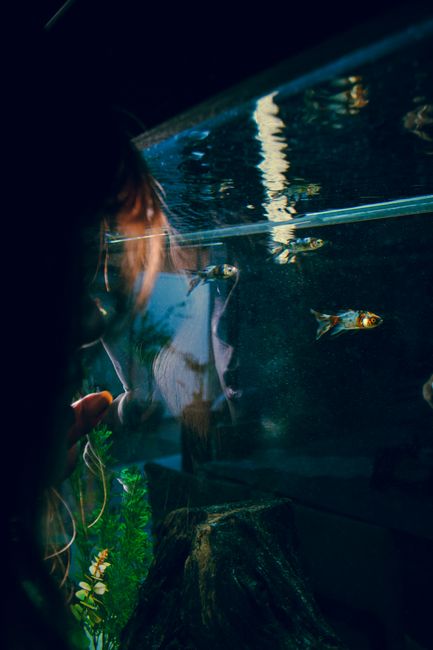
Photo by Leo Tavares on Pexels