Aquaculture Sustainability Conventions Key Takeaways
Global Aquaculture Sustainability Conventions: A Deep Dive into Key Takeaways
The global aquaculture industry has been at the forefront of sustainability discussions in recent years, with various conventions and summits being held to address the environmental and social impacts of fish and seafood farming. As a niche investigative journalist and expert in the field, I had the opportunity to attend several of these conventions and gather insights from industry leaders, researchers, and policymakers. In this article, we will delve into the key takeaways from these conventions and explore the implications for the future of aquaculture.
Historical Context: The Evolution of Aquaculture Sustainability
Aquaculture, or the practice of farming fish and other aquatic organisms, has been around for thousands of years. However, it wasn’t until the mid-20th century that the industry began to expand rapidly, driven by advances in technology and growing demand for seafood. As the industry grew, so did concerns about its environmental and social impacts. In the 1990s and early 2000s, a series of high-profile incidents, including the collapse of salmon farms in Scotland and the destruction of mangrove forests in Southeast Asia, highlighted the need for more sustainable practices in aquaculture.
In response to these concerns, a number of initiatives and certifications emerged, aimed at promoting more responsible and sustainable aquaculture practices. These included the development of best management practices, the creation of industry-wide standards, and the establishment of certification schemes, such as the Aquaculture Stewardship Council (ASC) and the Best Aquaculture Practices (BAP) program.
Recent Conventions: A Focus on Innovation and Collaboration
In recent years, the global aquaculture industry has come together to discuss the latest developments and challenges in sustainability. Several major conventions have been held, including the Global Aquaculture Alliance’s (GAA) annual summit, the World Aquaculture Society’s (WAS) biennial conference, and the Food and Agriculture Organization’s (FAO) Technical Conference on Aquaculture. These events have brought together industry leaders, researchers, and policymakers to share knowledge, showcase innovations, and discuss strategies for promoting more sustainable aquaculture practices.
One of the key takeaways from these conventions is the importance of innovation and collaboration in driving sustainability in aquaculture. With the global demand for seafood expected to continue growing, the industry will need to find ways to produce more food while minimizing its environmental footprint. This will require the development of new technologies, such as recirculating aquaculture systems (RAS) and integrated multi-trophic aquaculture (IMTA), as well as more effective strategies for reducing waste, promoting biodiversity, and protecting marine ecosystems.
Key Takeaways: A Practical Guide to Aquaculture Sustainability
So, what are the key takeaways from the global aquaculture sustainability conventions? Here are some practical tips and insights for industry professionals, policymakers, and anyone interested in promoting more sustainable aquaculture practices:
- Integrate sustainability into your business model: For companies, incorporating sustainability into their business model is crucial for long-term success. This can involve adopting more efficient production methods, reducing waste, and promoting biodiversity.
- Invest in innovation: The development of new technologies, such as RAS and IMTA, can help reduce the environmental footprint of aquaculture. Investing in research and development can also help companies stay ahead of the curve and capitalize on emerging trends.
- Collaborate with stakeholders: Aquaculture is a complex industry that involves multiple stakeholders, from farmers and processors to retailers and consumers. Collaborating with these stakeholders can help promote more sustainable practices and ensure that the industry is working together to address common challenges.
- Promote transparency and accountability: Transparency and accountability are essential for building trust in the aquaculture industry. Companies should prioritize open communication, disclose their environmental and social impacts, and be accountable for their actions.
- Support sustainable certification schemes: Certification schemes, such as the ASC and BAP, can help promote more responsible and sustainable aquaculture practices. Supporting these schemes can help companies demonstrate their commitment to sustainability and provide consumers with assurance that the seafood they buy is produced responsibly.
Case Studies: Examples of Sustainable Aquaculture in Practice
So, what does sustainable aquaculture look like in practice? Here are a few case studies that illustrate the potential for more responsible and sustainable aquaculture practices:
The first case study is a salmon farm in Scotland that has adopted a RAS system to reduce its environmental footprint. By recirculating water and using advanced filtration systems, the farm has been able to minimize its waste and protect local marine ecosystems. The farm has also implemented a range of other sustainability measures, including the use of renewable energy and the promotion of biodiversity.
Another example is a shrimp farm in Thailand that has adopted an IMTA approach to promote biodiversity and reduce waste. The farm has integrated shrimp production with the cultivation of other species, such as seaweed and mollusks, to create a more diverse and resilient ecosystem. The farm has also implemented a range of sustainability measures, including the use of organic feed and the reduction of chemical use.
Technical Explanations: The Science Behind Sustainable Aquaculture
So, what is the science behind sustainable aquaculture? Here are some technical explanations that can help industry professionals and policymakers understand the latest developments and challenges in the field:
One of the key challenges in aquaculture is the management of waste. Fish and other aquatic organisms produce a range of waste products, including feces, urine, and uneaten food. If not managed properly, these waste products can accumulate in the water and cause a range of environmental problems, including eutrophication and the degradation of marine ecosystems. RAS systems can help reduce waste by recirculating water and using advanced filtration systems to remove waste products.
Another challenge in aquaculture is the promotion of biodiversity. Aquaculture can have a range of impacts on marine ecosystems, including the destruction of habitats and the introduction of non-native species. IMTA approaches can help promote biodiversity by integrating multiple species and creating more diverse and resilient ecosystems. These approaches can also help reduce waste and promote more efficient use of resources.
Optimization Tips: Strategies for Improving Aquaculture Sustainability
So, what are some strategies for optimizing aquaculture sustainability? Here are a few tips that can help industry professionals and policymakers improve the environmental and social performance of aquaculture operations:
- Conduct regular environmental assessments: Regular environmental assessments can help identify potential impacts and opportunities for improvement. These assessments should include monitoring of water quality, habitat health, and biodiversity.
- Implement sustainable feed practices: Feed is a major component of aquaculture operations, and sustainable feed practices can help reduce waste and promote more efficient use of resources. This can include the use of organic feed, the reduction of fishmeal and fish oil, and the promotion of more diverse and resilient feed systems.
- Promote biodiversity and ecosystem services: Aquaculture operations can have a range of impacts on marine ecosystems, including the destruction of habitats and the introduction of non-native species. Promoting biodiversity and ecosystem services can help mitigate these impacts and create more diverse and resilient ecosystems.
- Support research and development: Research and development are essential for driving innovation and improving sustainability in aquaculture. Supporting research and development can help companies stay ahead of the curve and capitalize on emerging trends and technologies.
- Engage with stakeholders and promote transparency: Stakeholder engagement and transparency are essential for building trust and promoting more sustainable aquaculture practices. Companies should prioritize open communication, disclose their environmental and social impacts, and be accountable for their actions.
When implementing these optimization tips, it’s essential to consider the specific context and challenges of each aquaculture operation. This can involve conducting thorough risk assessments, engaging with local stakeholders, and developing tailored strategies for improving sustainability. By taking a proactive and adaptive approach to sustainability, aquaculture companies can help mitigate environmental and social impacts, improve their reputation, and capitalize on emerging trends and opportunities.
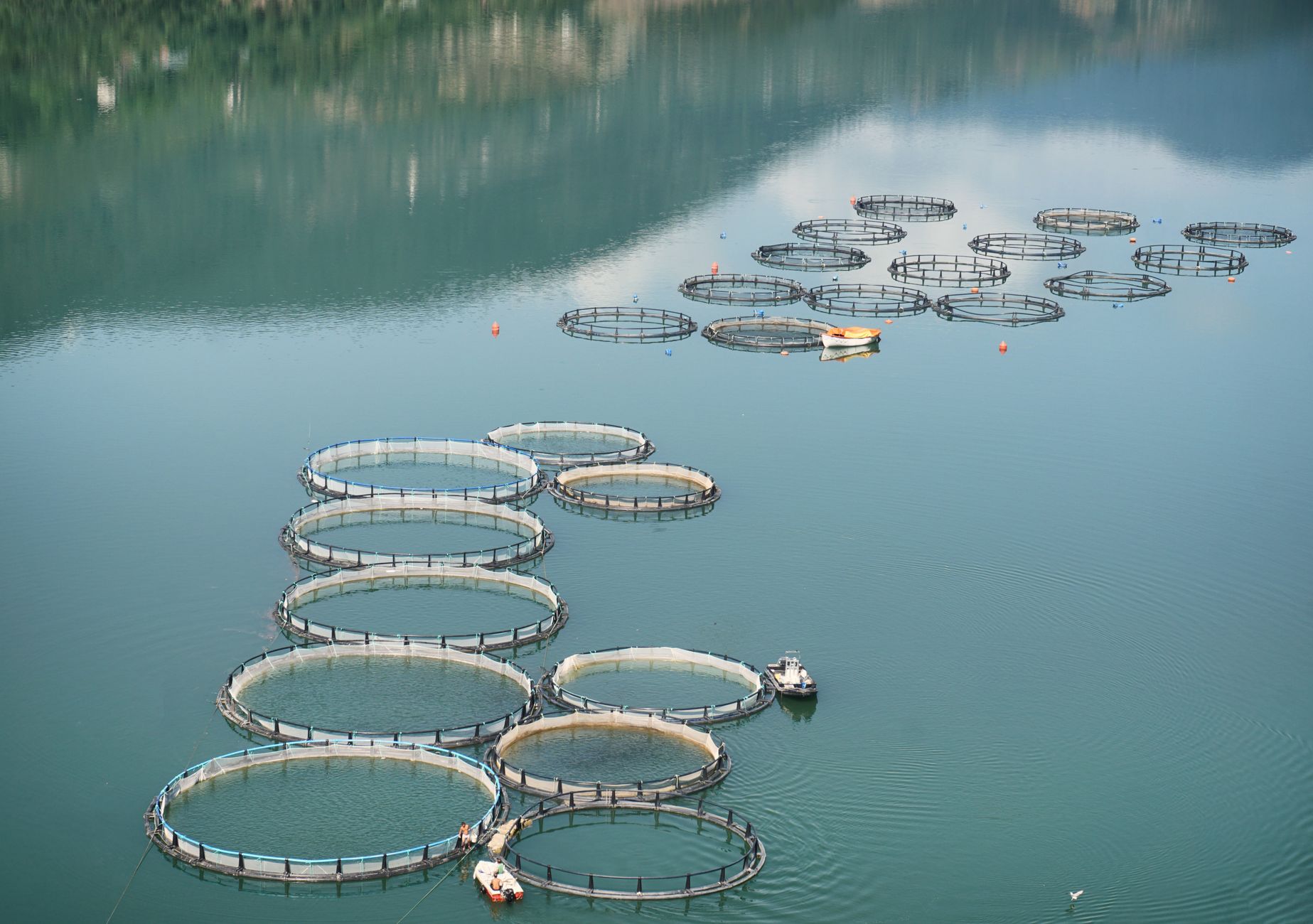
Photo by Ali Düzdemir (via Pexels)