Traditional Minimalist Aesthetic in Luxury Aquascapes
Introduction to Traditional Minimalist Aesthetic Philosophies in Luxury Commercial Aquascape Installations
Traditional minimalist aesthetic philosophies have been a cornerstone of luxury commercial aquascape installations for decades. These philosophies, which originated in ancient Eastern cultures, emphasize the importance of simplicity, balance, and harmony in design. In the context of aquascaping, these principles are used to create stunning and serene underwater environments that promote relaxation and contemplation. In this article, we will explore the traditional minimalist aesthetic philosophies that continue to influence luxury commercial aquascape installations, and provide actionable tips for incorporating these principles into your own designs.
Historical Context: The Origins of Minimalist Aesthetic Philosophies
Minimalist aesthetic philosophies have their roots in ancient Eastern cultures, particularly in Japan and China. In Japan, the concept of “wabi-sabi” emerged in the 15th century, which emphasizes the beauty of imperfection and impermanence. This philosophy is characterized by a focus on simplicity, humility, and the acceptance of transience. In China, the concept of “feng shui” has been used for centuries to balance and harmonize the physical environment. Feng shui is based on the idea that the physical environment can be shaped to promote health, wealth, and happiness.
These traditional philosophies have had a profound impact on the development of minimalist aesthetic principles in aquascaping. By incorporating elements of wabi-sabi and feng shui into their designs, aquascapers can create underwater environments that are not only visually stunning but also promote a sense of balance and harmony.
Key Principles of Traditional Minimalist Aesthetic Philosophies in Aquascaping
There are several key principles of traditional minimalist aesthetic philosophies that are used in luxury commercial aquascape installations. These include:
- Simplicity: The use of simple, clean lines and minimal ornamentation to create a sense of calm and serenity.
- Balance: The careful placement of elements to create a sense of balance and harmony in the underwater environment.
- Harmony: The use of elements that work together in harmony to create a sense of cohesion and unity.
- Impermanence: The acceptance of the impermanence of all things, and the use of elements that reflect this principle, such as the use of natural materials that will decay over time.
By incorporating these principles into their designs, aquascapers can create underwater environments that are not only visually stunning but also promote a sense of balance and harmony.
Case Study: The Use of Traditional Minimalist Aesthetic Philosophies in a Luxury Commercial Aquascape Installation
A recent luxury commercial aquascape installation in a high-end hotel in Tokyo, Japan, provides a striking example of the use of traditional minimalist aesthetic philosophies in aquascaping. The installation, which was designed by a team of experienced aquascapers, features a stunning underwater environment that incorporates elements of wabi-sabi and feng shui.
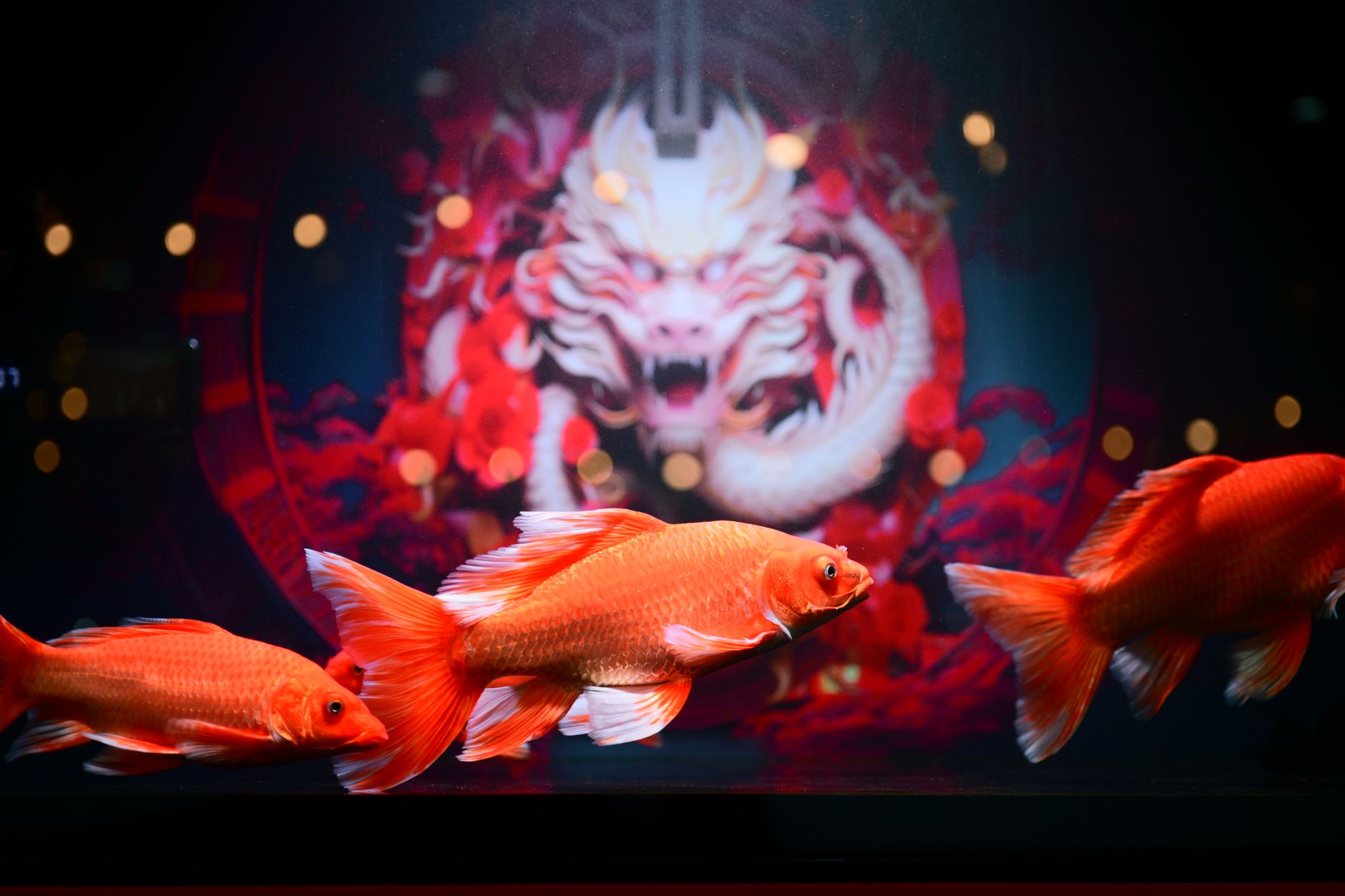
The installation features a simple, clean-lined tank that is surrounded by natural materials, such as wood and stone. The tank itself is filled with a carefully selected array of aquatic plants and animals, including delicate fish and colorful corals. The use of natural materials and the careful placement of elements create a sense of balance and harmony in the underwater environment, while the incorporation of wabi-sabi principles adds a sense of impermanence and imperfection to the design.
The result is an underwater environment that is not only visually stunning but also promotes a sense of relaxation and contemplation. The installation has become a popular attraction in the hotel, and has helped to establish the hotel as a leader in the luxury hospitality industry.
Actionable Tips for Incorporating Traditional Minimalist Aesthetic Philosophies into Your Aquascape Designs
There are several actionable tips that you can use to incorporate traditional minimalist aesthetic philosophies into your aquascape designs. These include:
- Use simple, clean-lined tanks and equipment: Avoid using ornate or overly complicated tanks and equipment, and instead opt for simple, clean-lined designs that promote a sense of calm and serenity.
- Incorporate natural materials: Use natural materials, such as wood and stone, to create a sense of balance and harmony in the underwater environment.
- Choose aquatic plants and animals carefully: Select aquatic plants and animals that are delicate and colorful, and that will add to the sense of balance and harmony in the underwater environment.
- Consider the principles of wabi-sabi and feng shui: Incorporate elements of wabi-sabi and feng shui into your designs, such as the use of natural materials and the careful placement of elements to create a sense of balance and harmony.
By incorporating these tips into your aquascape designs, you can create underwater environments that are not only visually stunning but also promote a sense of relaxation and contemplation.
Technical Considerations for Implementing Traditional Minimalist Aesthetic Philosophies in Aquascaping
There are several technical considerations that you should be aware of when implementing traditional minimalist aesthetic philosophies in aquascaping. These include:
- Water quality: The quality of the water in the tank is critical to the health and well-being of the aquatic plants and animals, and can also impact the overall aesthetic of the underwater environment.
- Lighting: The lighting in the tank can have a significant impact on the overall aesthetic of the underwater environment, and can be used to create a sense of balance and harmony.
- Equipment maintenance: Regular maintenance of the equipment is critical to ensuring the health and well-being of the aquatic plants and animals, and can also help to prevent equipment failure and other technical issues.
By being aware of these technical considerations, you can ensure that your aquascape designs are not only visually stunning but also promote a sense of balance and harmony.
Conclusion and Final Considerations
In conclusion, traditional minimalist aesthetic philosophies continue to play an important role in the design of luxury commercial aquascape installations. By incorporating elements of wabi-sabi and feng shui into their designs, aquascapers can create underwater environments that are not only visually stunning but also promote a sense of balance and harmony. When implementing these philosophies, it is critical to consider technical factors such as water quality, lighting, and equipment maintenance to ensure the health and well-being of the aquatic plants and animals. Always monitor water parameters closely, and be prepared to make adjustments as necessary to maintain optimal water quality and prevent equipment failure.