How to Choose the Best Aquarium Plants for Low-Tech Tanks
How to Choose the Best Aquarium Plants for Low-Tech Tanks
I still remember my first low-tech tank setup like it was yesterday. I had just moved into a new apartment, and I was determined to create a stunning aquarium that would thrive with minimal equipment. I spent hours researching, and my local pet store owner, Mr. Tan, became my go-to guru for all things aquatic plants. He introduced me to the wonderful world of low-maintenance plants that could flourish in low-tech tanks, and I was hooked.
One of the most surprising things I learned was that you don’t need a lot of fancy equipment to grow amazing plants. In fact, some of the most beautiful and resilient plants are the ones that can thrive in low-light, low-tech conditions. I paid around $20 for a bunch of Anacharis and Java Moss, and they quickly became the stars of my tank. The way they swayed gently in the current, their delicate leaves waving like tiny flags, was mesmerizing.
My Favorite Low-Tech Plants
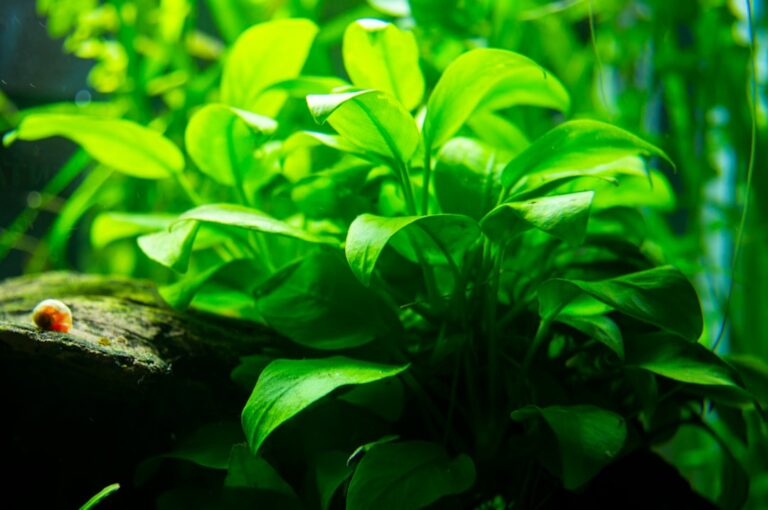
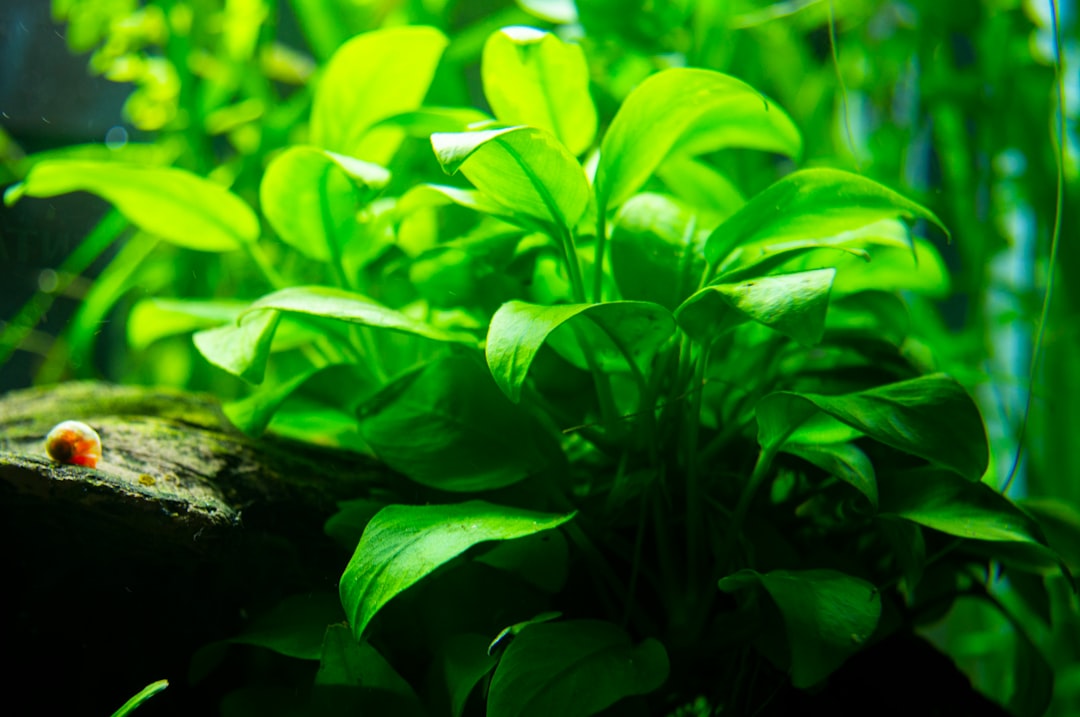
Over the years, I’ve experimented with many different plants, and I’ve found that some are definitely better suited for low-tech tanks than others. Anubias is one of my all-time favorites – it’s virtually indestructible, and it comes in a range of varieties, from the tiny Anubias nana to the statuesque Anubias heterophylla. I’ve also had great success with Cryptocorynes, which are relatively low-maintenance and come in a stunning array of colors and patterns.
I recall a particularly memorable trip to the aquarium store in Singapore, where I discovered a hidden gem of a plant – the Blyxa japonica. It was love at first sight – the delicate, lacy leaves and the way it seemed to glow in the light. I paid around $15 for a small pot, and it quickly became the centerpiece of my tank. The smell of the aquarium store, a mix of damp earth and fish food, still transports me back to that moment.
Understanding Your Tank’s Needs
Before you start choosing plants, it’s essential to understand your tank’s specific needs. What’s the lighting like? What’s the water temperature and pH? How much space do you have available? These factors will all impact the types of plants that will thrive in your tank. I’ve learned the hard way that it’s crucial to research and understand the specific requirements of each plant before introducing it to your tank.
I remember one disastrous experience where I introduced a Amazon Swordplant to my tank without realizing it needed high lighting. The poor plant quickly began to decline, and I was left with a tank full of melting leaves. It was a costly mistake – I ended up spending around $50 on a new lighting system to try and salvage the situation. But it was a valuable lesson – now I always make sure to research and understand the needs of each plant before introducing it to my tank.
Creating a Balanced Environment
Once you’ve chosen your plants, it’s essential to create a balanced environment that will allow them to thrive. This means considering factors like water circulation, nutrient levels, and CO2 supplementation. I’ve found that a balanced fertilizer, like Seachem’s Flourish, can work wonders for my plants – it’s around $10 a bottle, and it lasts for months.
The sound of gently bubbling water, the soft glow of the aquarium lights, and the sweet scent of flourishing plants all combine to create a sense of calm and tranquility. It’s a feeling that’s hard to describe, but it’s one of the most rewarding aspects of aquarium-keeping. As I sit in front of my tank, watching the plants sway gently in the current, I feel a sense of peace wash over me – it’s like a mini-vacation from the stresses of everyday life.
Common Mistakes to Avoid
One of the most common mistakes I see people make when setting up a low-tech tank is over-planting. It’s tempting to want to fill your tank with as many plants as possible, but this can quickly lead to problems like algae overgrowth and poor water circulation. I’ve learned to start with a few hardy plants and gradually add more as the tank matures.
I’ve also seen people underestimate the importance of regular maintenance. Low-tech tanks still require regular water changes, pruning, and monitoring of water parameters. It’s not a set-and-forget situation – you need to be willing to put in the time and effort to keep your tank healthy and thriving. I’ve found that setting aside around 30 minutes each week for maintenance tasks makes all the difference.
Experimenting and Adapting
The thing I love most about aquarium-keeping is the constant learning and adapting. Every tank is different, and what works for one tank may not work for another. I’ve had to experiment with different plant combinations, lighting setups, and fertilizers to find what works best for my tank.
One of the most memorable experiences I’ve had was when I decided to try my hand at creating a dry start tank. I set up the tank with soil, plants, and decorations, and then sealed it up, waiting for the plants to grow and the ecosystem to establish itself. It was a nerve-wracking experience, but the end result was well worth it – a stunning, self-sustaining ecosystem that required minimal maintenance. The feeling of accomplishment and pride I felt when I finally flooded the tank and watched the plants come to life was incredible.
Embracing the Journey
Aquarium-keeping is a journey, not a destination. It’s a process of learning, experimenting, and adapting, and it’s full of surprises and challenges along the way. I’ve had my fair share of setbacks and failures, but I’ve also experienced moments of pure joy and wonder.
As I look back on my aquarium-keeping journey, I realize that it’s the unexpected moments that have made it so rewarding. The surprise of discovering a new plant, the thrill of watching a new fish species thrive, and the sense of calm and tranquility that comes from sitting in front of a thriving tank – these are the things that make it all worth it. That’s the thing about aquarium-keeping – the best moments are the ones you never planned for. Safe travels, and I hope your journey is full of them.
📷 Photos: Josephina Kolpachnikof (Unsplash), Huy Phan (Unsplash)