Aquascaping Trends in Asia 2025
## Introduction to Aquascaping Trends in Asia 2025
The world of aquascaping has witnessed tremendous growth and innovation in recent years, with Asia being at the forefront of this revolution. As we dive into 2025, it’s essential to explore the latest trends that are shaping the aquascaping landscape in Asia. From the use of advanced technology to the incorporation of sustainable practices, this article will delve into the exciting developments that are redefining the art of aquascaping.
## Historical Context of Aquascaping in Asia
To understand the current trends in aquascaping, it’s crucial to look at the historical context of the hobby in Asia. Aquascaping has its roots in Japan, where it originated in the 1990s. The art form quickly gained popularity in other Asian countries, including China, Korea, and Taiwan. Over the years, Asian aquarists have made significant contributions to the development of aquascaping, introducing new techniques, equipment, and styles that have inspired enthusiasts worldwide.
## Current Trends in Aquascaping
So, what are the current trends in aquascaping in Asia? Here are some of the most significant developments that are shaping the industry:
One of the most notable trends is the use of advanced technology, such as LED lighting and automated water circulation systems. These innovations have made it possible to create more complex and dynamic aquascapes that are not only visually stunning but also healthier for the fish and plants.
Another trend is the increasing focus on sustainability. Many Asian aquarists are now opting for eco-friendly equipment and practices, such as using energy-efficient pumps and minimizing water waste. This shift towards sustainability is not only beneficial for the environment but also helps to reduce the cost of maintaining an aquarium.
The rise of social media has also played a significant role in shaping the aquascaping trends in Asia. Platforms like Instagram and Facebook have created a community of aquarists who can share their work, learn from others, and get inspiration for new projects. This has led to the development of new styles and techniques, as well as the discovery of talented aquarists who are pushing the boundaries of the art form.
## Popular Aquascaping Styles in Asia
Asia is home to a diverse range of aquascaping styles, each with its unique characteristics and challenges. Here are some of the most popular styles:
- Iwagumi: This style originated in Japan and is characterized by the use of rocks and stones to create a natural, balanced aquascape. Iwagumi aquascapes often feature a limited number of plants and fish, which creates a sense of simplicity and harmony.
- Nature Style: This style is inspired by the natural world and seeks to recreate the beauty of landscapes, such as mountains, forests, and rivers. Nature Style aquascapes often feature a mix of plants, rocks, and driftwood, which creates a dynamic and immersive environment.
- Biotopes: This style involves creating aquascapes that mimic the natural habitats of specific species of fish or plants. Biotopes can be challenging to create, as they require a deep understanding of the biology and ecology of the species being kept.
## Top Destinations for Aquascaping Enthusiasts in Asia
If you’re an aquascaping enthusiast, Asia has plenty to offer. Here are some of the top destinations to visit:
- Tokyo, Japan: Tokyo is home to some of the world’s most renowned aquariums and aquascaping communities. The city hosts several aquascaping events and competitions throughout the year, making it a must-visit destination for enthusiasts.
- Singapore: Singapore is a hub for aquascaping in Southeast Asia, with several top-notch aquariums and fish stores. The city-state also hosts the annual Aquarama exhibition, which showcases the latest trends and innovations in the industry.
- Bangkok, Thailand: Bangkok is a popular destination for aquascaping enthusiasts, with its vibrant markets and aquariums. The city is also home to several expert aquarists who offer workshops and training sessions for those looking to improve their skills.
## Practical Tips for Creating Your Own Aquascape
Creating your own aquascape can be a rewarding and challenging experience. Here are some practical tips to get you started:
Start by planning your aquascape carefully, taking into account the size and shape of your tank, as well as the type of fish and plants you want to keep. It’s also essential to choose the right equipment, such as a high-quality filter and lighting system.
When selecting plants, consider their growth rate, lighting requirements, and compatibility with other species. Some popular plants for aquascaping include Java moss, Anubias, and Amazon swordplants.
Fish selection is also crucial, as some species can be more challenging to keep than others. Research the specific needs of your fish, including their diet, water parameters, and social requirements.
## Daily Maintenance and Care
Once you’ve created your aquascape, it’s essential to maintain it properly to ensure the health and well-being of your fish and plants. Here’s a daily routine to follow:
- Check the water parameters, including pH, ammonia, and nitrite levels.
- Perform a partial water change (about 10-20% of the tank volume) to remove waste and excess nutrients.
- Monitor the fish and plants for signs of stress or disease, and take action promptly if you notice any issues.
- Clean the glass and equipment, such as the filter and pumps, to prevent the buildup of algae and debris.
## Localized Culinary Recommendations
After a long day of aquascaping, it’s time to indulge in some delicious local cuisine. Here are some recommendations:
In Japan, try the fresh sushi and sashimi at the Tsukiji Fish Market in Tokyo. For a unique experience, visit the Asakusa district and sample some traditional Japanese street food, such as yakitori and takoyaki.
In Singapore, head to the hawker centers and try some popular dishes like chili crab, Hainanese chicken rice, and char kway teow. Don’t forget to visit the famous Gardens by the Bay, which features stunning floral displays and futuristic architecture.
In Thailand, visit the night markets and try some spicy street food, such as tom yum soup and green curry. For a truly immersive experience, take a cooking class and learn how to prepare traditional Thai dishes like pad thai and mango sticky rice.
## Highway Navigation Advice
If you’re planning to travel to these destinations, here are some tips for navigating the highways:
In Japan, the highways are well-maintained and easy to navigate, with clear signs and GPS navigation. However, be aware that driving in Japan can be challenging, especially in urban areas, due to the complex road network and unique traffic rules.
In Singapore, the highways are modern and efficient, with a comprehensive network of expressways and roads. However, be prepared for heavy traffic during peak hours, and consider using public transportation or ride-hailing services instead.
In Thailand, the highways can be more challenging to navigate, especially in rural areas, due to the lack of signage and uneven road conditions. However, the scenic routes and stunning landscapes make the journey worthwhile, and many tourists opt for private car services or guided tours to ensure a safe and enjoyable trip.
## Conclusion and Call-to-Action
In conclusion, the world of aquascaping in Asia is vibrant and dynamic, with a rich history, diverse styles, and innovative trends. Whether you’re a seasoned aquarist or just starting out, there’s always something new to learn and discover. So why not start your own aquascaping journey today? Join online communities, attend workshops and events, and share your passion with others. Happy aquascaping, and we look forward to seeing your creations!
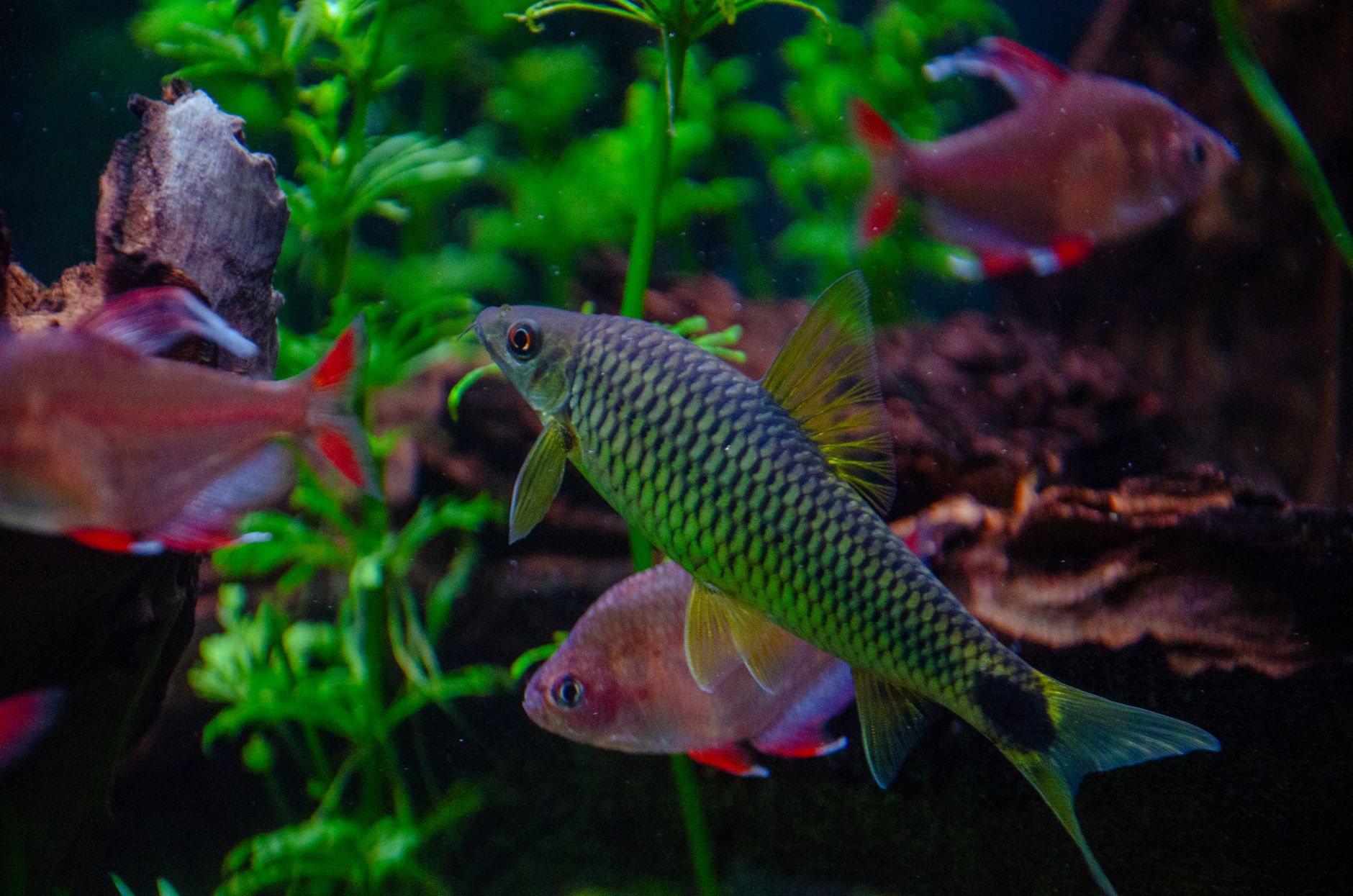
Photo by Florian O. (via Pexels)