
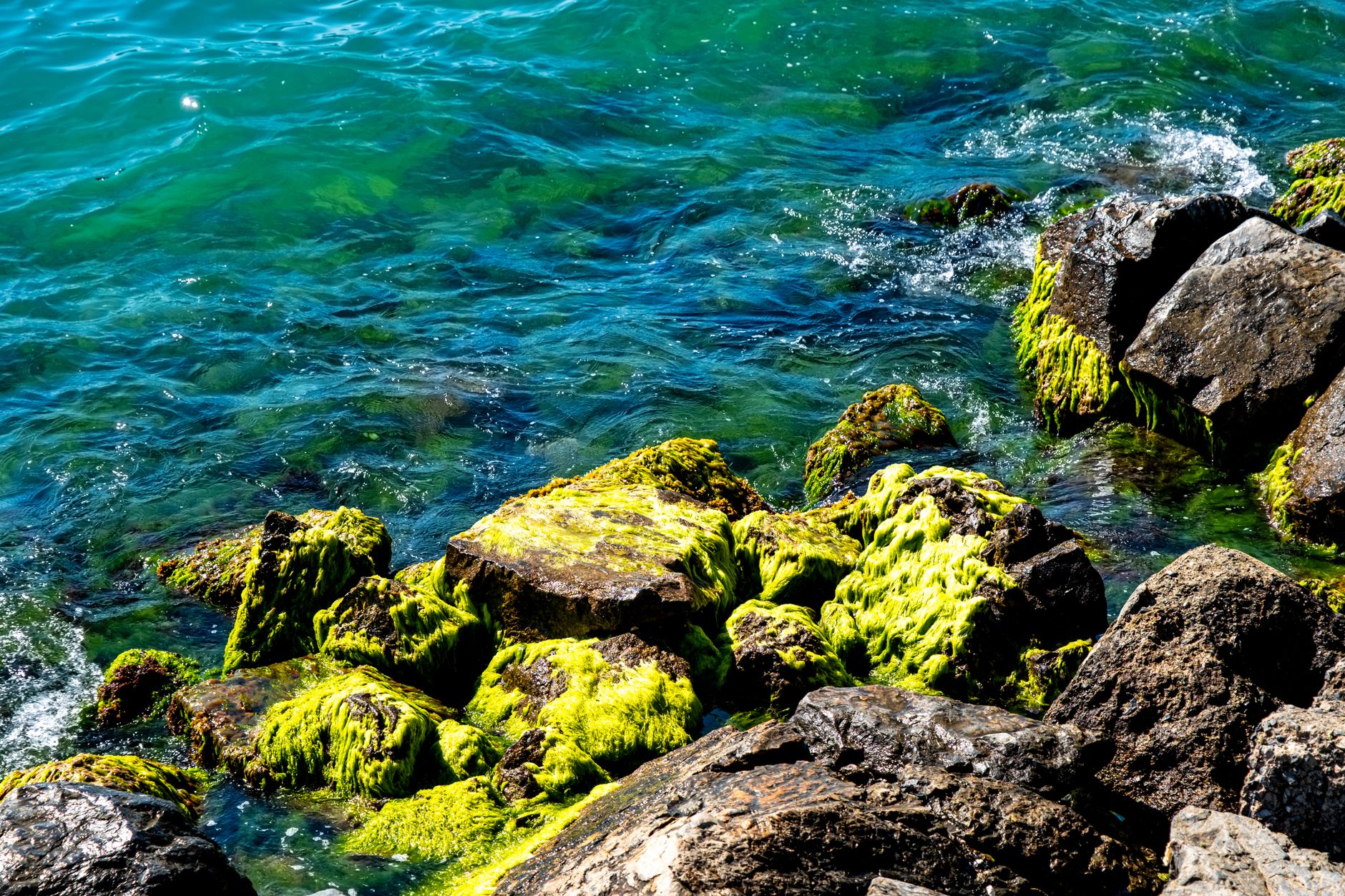
Cultivating Fragile Aquatic Moss on Complex Branch Structures
Introduction to the Art of Cultivating Fragile Aquatic Moss Varieties
Aquatic mosses have long been a staple in the world of aquascaping, providing a beautiful, lush carpet for aquariums. However, cultivating these delicate plants can be a challenging task, especially when it comes to fragile aquatic moss varieties. One technique that has gained popularity in recent years is the use of dry-start techniques to cultivate these mosses on complex branch structures. In this article, we will delve into the world of aquatic moss cultivation, exploring the history, benefits, and techniques involved in this intricate process.
The art of aquascaping has its roots in ancient Asia, where aquariums were first developed as a means of showcasing exotic fish and plants. Over time, this hobby has evolved, with modern aquascapers pushing the boundaries of what is possible in terms of design and plant cultivation. The use of dry-start techniques to cultivate fragile aquatic moss varieties is just one example of the innovative approaches being developed in this field.
Understanding the Basics of Dry-Start Techniques
Dry-start techniques involve starting the cultivation process outside of the aquarium, using a controlled environment to establish the plant’s root system before introducing it to water. This approach has several benefits, including reduced risk of plant shock, improved root development, and increased control over the cultivation process. When it comes to cultivating fragile aquatic moss varieties, dry-start techniques offer a particularly useful solution, as they allow for a high degree of control over the environment and minimize the risk of damage to the plants.
To get started with dry-start techniques, you will need a few basic pieces of equipment, including a growing medium, such as sphagnum moss or coconut fiber, a water spray bottle, and a humid enclosure, such as a plastic container or terrarium. You will also need a selection of fragile aquatic moss varieties, which can be sourced from specialist suppliers or online retailers.
Preparing the Growing Medium
The first step in the dry-start process is to prepare the growing medium. This involves soaking the medium in water, then allowing it to drain until it reaches a moist, but not waterlogged, state. The medium should be packed into the humid enclosure, leaving enough space for the moss to grow and expand.
Once the medium is in place, you can begin to add the fragile aquatic moss varieties. These should be gently removed from their packaging and placed on the surface of the growing medium. It is essential to handle the mosses with care, as they can be easily damaged.
Creating a Humid Environment
To create a humid environment, you will need to cover the enclosure with a lid or plastic bag. This will help to maintain a high level of humidity, which is essential for the growth and development of the mosses. You will also need to ensure that the enclosure is kept in a warm, stable environment, with temperatures ranging from 22-25°C (72-77°F).
Over time, you will need to monitor the humidity levels and make adjustments as necessary. This can be done by spraying the enclosure with water or by using a humidifier. It is also essential to ensure that the enclosure is not too humid, as this can lead to the growth of mold and other unwanted organisms.
Advantages of Dry-Start Techniques for Fragile Aquatic Moss Varieties
There are several advantages to using dry-start techniques for cultivating fragile aquatic moss varieties. One of the main benefits is the reduced risk of plant shock, which can occur when plants are introduced to a new environment. By establishing the plant’s root system outside of the aquarium, you can minimize the risk of shock and ensure that the plant thrives.
Another advantage of dry-start techniques is the improved root development. By allowing the plant to develop its root system in a controlled environment, you can promote healthy growth and development. This can lead to more robust and resilient plants, which are better equipped to thrive in the aquarium environment.
Dry-start techniques also offer a high degree of control over the cultivation process. By monitoring and adjusting the environment, you can optimize the conditions for growth and development, leading to healthier and more vibrant plants.
Case Study: Cultivating Peat Moss on Branch Structures
One example of the successful use of dry-start techniques for cultivating fragile aquatic moss varieties is the cultivation of peat moss on branch structures. Peat moss is a delicate, carpeting moss that is native to acidic, peat-rich environments. By using dry-start techniques, it is possible to cultivate this moss on complex branch structures, creating a beautiful and unique aquascape.
To cultivate peat moss on branch structures, you will need to prepare the branch by cleaning and sterilizing it. The branch should then be placed in the humid enclosure, where the peat moss can be attached using a small amount of growing medium. Over time, the moss will begin to grow and spread, covering the branch in a lush, green carpet.
Challenges and Considerations
While dry-start techniques offer a range of benefits for cultivating fragile aquatic moss varieties, there are also several challenges and considerations to be aware of. One of the main challenges is the risk of mold and other unwanted organisms, which can thrive in humid environments.
To minimize this risk, it is essential to maintain good hygiene and ensure that the enclosure is well-ventilated. You should also monitor the environment closely, making adjustments as necessary to maintain optimal conditions for growth and development.
Another consideration is the selection of suitable moss varieties. Not all mosses are suitable for dry-start techniques, and some may require specialized care and attention. It is essential to research and understand the specific needs of the moss varieties you are working with, to ensure that you provide the best possible conditions for growth and development.
Tips and Tricks for Success
To achieve success with dry-start techniques, there are several tips and tricks to be aware of. One of the most important is to maintain patience and persistence. Cultivating fragile aquatic moss varieties can be a slow and challenging process, requiring careful attention and dedication.
Another tip is to monitor the environment closely, making adjustments as necessary to maintain optimal conditions for growth and development. This can involve adjusting the temperature, humidity, and light levels, as well as pruning and trimming the moss to maintain its shape and promote healthy growth.
It is also essential to choose the right equipment and materials, including a suitable growing medium and humid enclosure. By selecting high-quality equipment and materials, you can create an optimal environment for growth and development, leading to healthier and more vibrant plants.
Conclusion and Future Directions
In conclusion, cultivating fragile aquatic moss varieties using dry-start techniques is a complex and challenging process, requiring careful attention and dedication. By understanding the basics of dry-start techniques, preparing the growing medium, creating a humid environment, and monitoring the environment closely, you can create an optimal environment for growth and development, leading to healthier and more vibrant plants.
As the art of aquascaping continues to evolve, it is likely that we will see new and innovative approaches to cultivating fragile aquatic moss varieties. By staying up-to-date with the latest developments and techniques, you can stay ahead of the curve and create truly unique and breathtaking aquascapes.
So why not give dry-start techniques a try? With patience, persistence, and practice, you can master the art of cultivating fragile aquatic moss varieties and create a truly stunning aquascape. Join our community of aquascaping enthusiasts and share your experiences, tips, and tricks for success. Together, we can push the boundaries of what is possible in this exciting and rewarding hobby.
Call to Action
Are you ready to take your aquascaping to the next level? Join our community today and start exploring the world of dry-start techniques and fragile aquatic moss varieties. Share your experiences, ask questions, and learn from others in our forum. Stay up-to-date with the latest developments and techniques, and get inspired by the stunning aquascapes created by our community members. Let’s work together to push the boundaries of what is possible in this exciting and rewarding hobby.
Photo by afy (via Pexels)