Nutritional and Chemical Protocols for Rare Deepwater Marine Angels
Unlocking the Secrets of Rare Deepwater Marine Angels: A Comprehensive Guide to Nutritional and Chemical Protocols
Rare deepwater marine angels are some of the most breathtaking and elusive creatures in the ocean. These majestic fish have long been a staple of advanced aquarists, with their iridescent scales and delicate fins. However, keeping them healthy and thriving in a home aquarium can be a daunting task. One of the most critical aspects of their care is providing the right nutritional and chemical protocols. In this article, we will delve into the world of rare deepwater marine angels and explore the essential guidelines for ensuring their long-term health and well-being.
Understanding the Basics of Deepwater Marine Angels
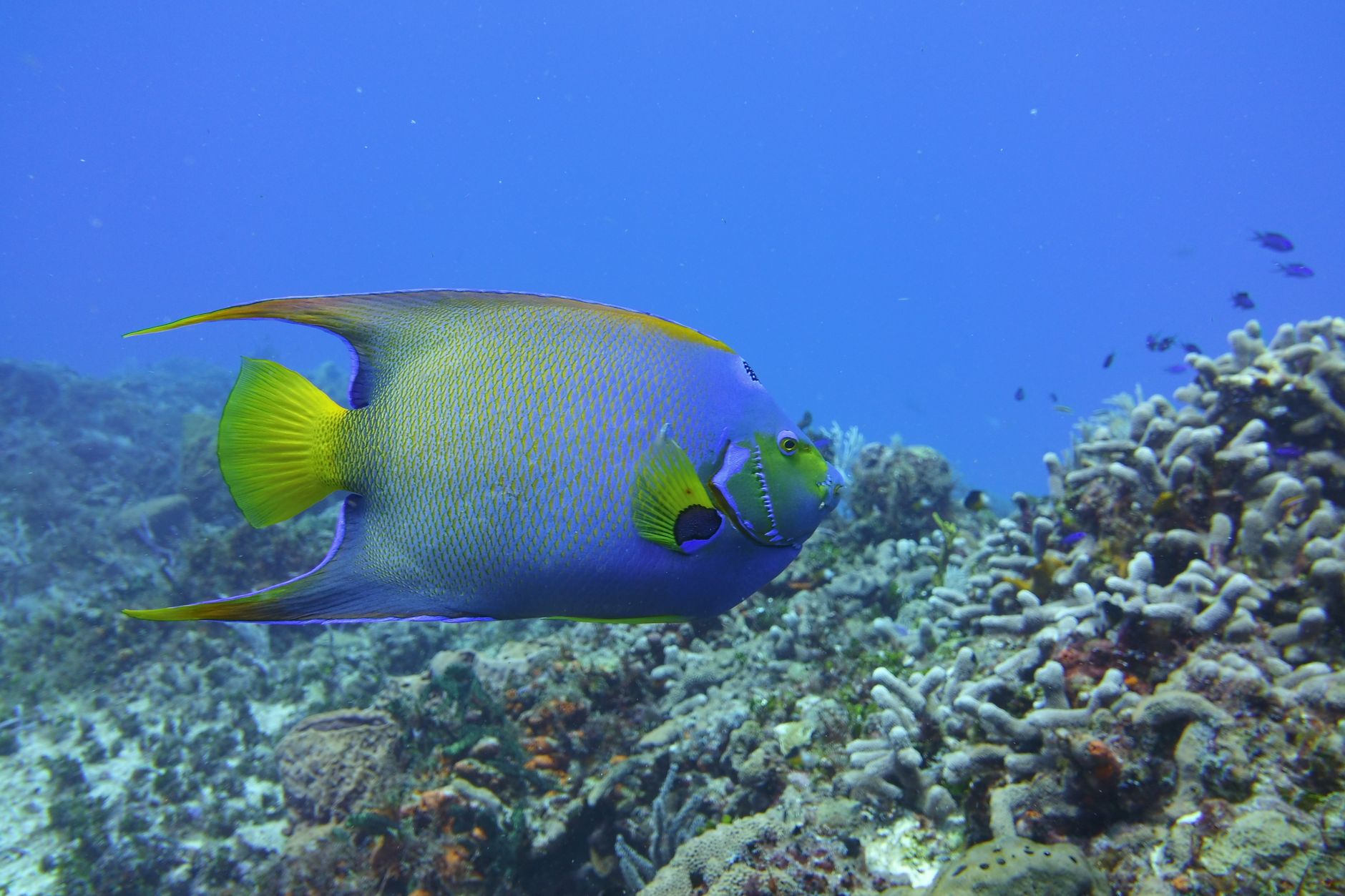
Before we dive into the nutritional and chemical protocols, it’s essential to understand the basics of deepwater marine angels. These fish are found in the deep waters of the Atlantic, Pacific, and Indian Oceans, typically between 100-500 meters below the surface. They are characterized by their large size, vibrant colors, and distinctive fins. Some popular species of deepwater marine angels include the Regal Angelfish, the Blue Angelfish, and the Yellowtail Angelfish.
Deepwater marine angels are carnivores, feeding on small fish, crustaceans, and plankton in the wild. They are also known to be territorial and can be quite aggressive, especially when defending their territory or competing for food. In the aquarium, it’s crucial to provide them with a suitable environment that mimics their natural habitat, including plenty of hiding places, open swimming space, and a varied diet.
Nutritional Protocols for Deepwater Marine Angels
Providing the right nutrition is critical for the health and well-being of deepwater marine angels. These fish require a diet rich in protein, vitamins, and minerals. Here are some essential nutritional protocols to follow:
- High-quality commercial pellets: Look for pellets specifically formulated for large angelfish, containing a mix of fish meal, squid meal, and shrimp meal.
- Live and frozen foods: Supplement their diet with live or frozen brine shrimp, mysis shrimp, and small fish like whitebait or silversides.
- Vitamin and mineral supplements: Add a high-quality vitamin and mineral supplement to their food, containing essential nutrients like vitamin C, vitamin D, and calcium.
- Feeding frequency and quantity: Feed your deepwater marine angels 2-3 times a day, only as much as they can consume within a few minutes.
It’s also important to note that deepwater marine angels can be prone to nutritional deficiencies, particularly vitamin C and vitamin D deficiencies. Regular water changes, a balanced diet, and proper supplementation can help prevent these deficiencies.
Chemical Protocols for Deepwater Marine Angels
In addition to proper nutrition, maintaining optimal water chemistry is crucial for the health and well-being of deepwater marine angels. Here are some essential chemical protocols to follow:
- pH levels: Maintain a pH range of 8.1-8.4, with a stability of ±0.1 pH units per day.
- Ammonia and nitrite levels: Keep ammonia and nitrite levels at 0 ppm, using a high-quality protein skimmer and regular water changes.
- Nitrate levels: Maintain nitrate levels below 10 ppm, using a combination of water changes, biological filtration, and nitrate-reducing bacteria.
- Calcium and alkalinity levels: Maintain calcium levels between 400-500 ppm and alkalinity levels between 8-12 dKH.
Regular water testing is essential to monitor the water chemistry and make adjustments as needed. It’s also important to use a high-quality reef salt mix and to avoid sudden changes in water chemistry, which can stress the fish and lead to disease.
Advanced Techniques for Deepwater Marine Angels
For experienced aquarists, there are several advanced techniques that can help take the care of deepwater marine angels to the next level. These include:
- Automated feeding systems: Use an automated feeder to provide regular, consistent feedings, reducing stress and promoting healthy growth.
- Water circulation and flow: Create a varied water flow pattern, using a combination of powerheads and wave makers, to mimic the natural currents and eddies found in the deep ocean.
- Lighting and photoperiod: Provide a varied lighting schedule, using a combination of LED, T5, and halide lighting, to mimic the natural day-night cycle and promote healthy growth and coloration.
These advanced techniques can help create a truly immersive and natural environment for your deepwater marine angels, promoting healthy growth, vibrant coloration, and a strong immune system.
Case Studies: Successful Deepwater Marine Angel Keepers
One of the best ways to learn about the care and maintenance of deepwater marine angels is to study the experiences of successful keepers. Here are a few case studies of experienced aquarists who have successfully kept these magnificent fish:
John, a seasoned aquarist from California, has kept a regal angelfish for over 5 years. He attributes his success to a combination of proper nutrition, regular water changes, and a well-designed aquarium. “I make sure to provide a varied diet, including live and frozen foods, and I change 10% of the water every week,” he says. “I also use a high-quality protein skimmer and a nitrate-reducing bacteria to keep the water chemistry stable.”
Another successful keeper is Maria, from New York, who has kept a blue angelfish for over 3 years. She emphasizes the importance of creating a natural environment, with plenty of hiding places and open swimming space. “I use a combination of live rock and artificial decorations to create a varied landscape,” she says. “I also make sure to provide a varied lighting schedule, using a combination of LED and T5 lighting, to promote healthy growth and coloration.”
Conclusion: Unlocking the Secrets of Rare Deepwater Marine Angels
In conclusion, keeping rare deepwater marine angels can be a rewarding and challenging experience. By following the nutritional and chemical protocols outlined in this article, and by using advanced techniques and studying the experiences of successful keepers, you can create a thriving and healthy environment for these magnificent fish. Remember to always prioritize proper nutrition, regular water changes, and a well-designed aquarium, and don’t be afraid to experiment and try new things. With patience, dedication, and a passion for these incredible creatures, you can unlock the secrets of rare deepwater marine angels and enjoy the beauty and wonder of these fish for years to come.
If you’re interested in learning more about the care and maintenance of deepwater marine angels, or if you have any questions or comments, please don’t hesitate to reach out. Our community of experienced aquarists and marine biologists is always happy to share their knowledge and expertise, and to help you on your journey to creating a thriving and healthy aquarium.
Get Started Today!
Ready to start your journey with rare deepwater marine angels? Begin by researching and selecting a healthy specimen, and then start designing your aquarium and planning your care and maintenance routine. Don’t forget to join our community and connect with other experienced aquarists and marine biologists, and to stay up-to-date with the latest news and research on these incredible fish. With the right knowledge, skills, and passion, you can unlock the secrets of rare deepwater marine angels and enjoy the beauty and wonder of these fish for years to come.
Photo by Diego Sandoval (via Pexels)