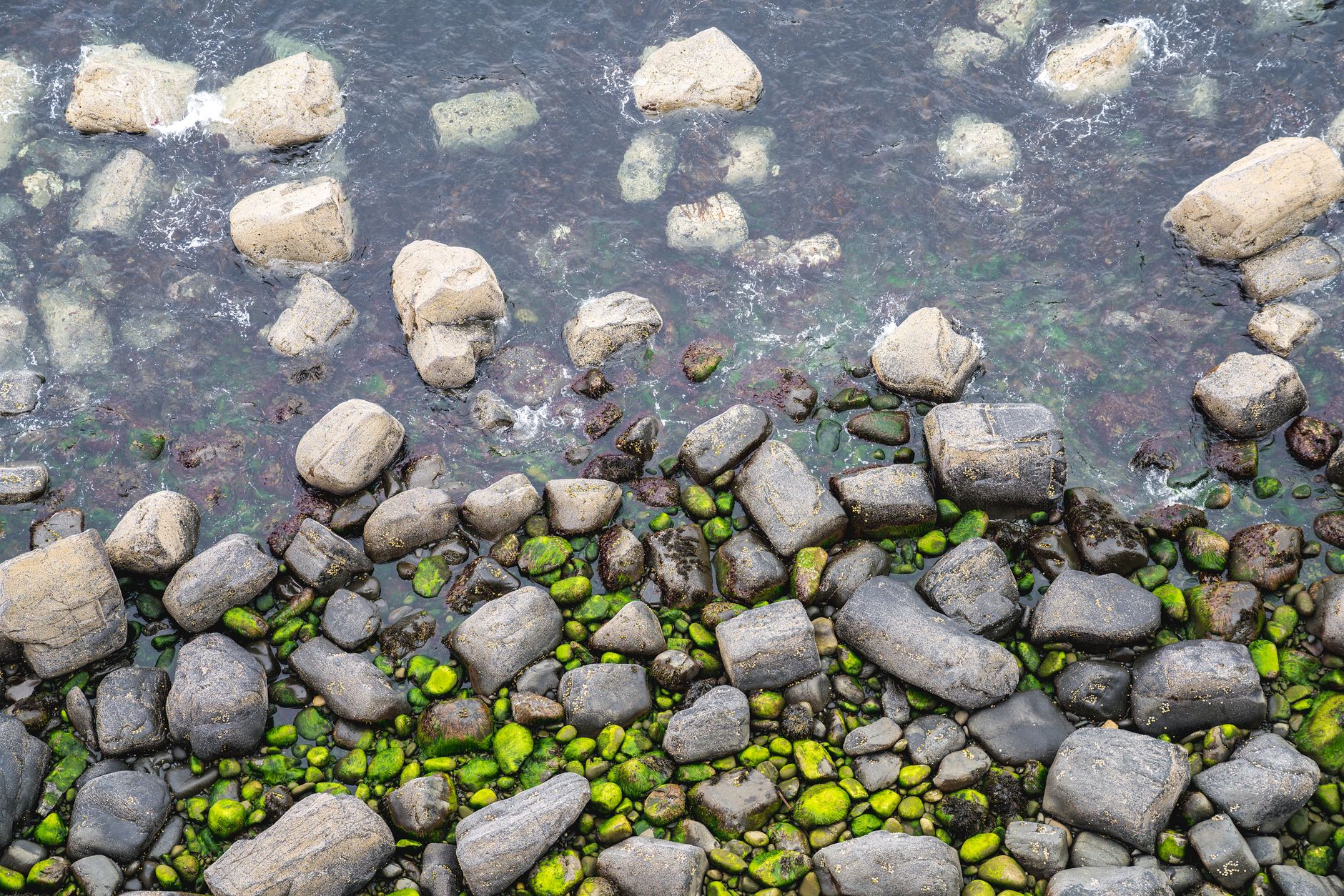
Geometric Harmony in Multi-Tiered Terraced Stone Aquascaping
Unveiling the Geometric Harmony of Multi-Tiered Terraced Stone Aquascaping Designs
Aquascaping, the art of designing and arranging aquatic environments, has undergone a significant transformation in recent years. The rise of contemporary multi-tiered terraced stone aquascaping designs has taken the aquarium world by storm, with its unique blend of natural beauty and geometric precision. In this article, we will delve into the principles behind these stunning designs, exploring the historical and geographical contexts that have shaped their development.
The concept of terraced stone aquascaping is not new, with its roots dating back to ancient civilizations in Asia. The traditional Japanese art of bonsai, for example, has long incorporated stone and water elements to create harmonious and balanced environments. Similarly, the ancient Chinese practice of Feng Shui has emphasized the importance of carefully arranging natural elements, including stone and water, to promote balance and harmony.
Understanding the Geometric Principles
To create a multi-tiered terraced stone aquascaping design, one must first understand the underlying geometric principles. These designs typically feature a series of interconnected tiers, each with its own unique shape and size. The key to creating a harmonious and balanced design lies in the careful arrangement of these tiers, taking into account the principles of symmetry, proportion, and scale.
Symmetry, in particular, plays a crucial role in creating a sense of balance and harmony in these designs. By mirroring elements on either side of a central axis, aquascapers can create a sense of order and stability, which is particularly important in aquatic environments where the natural world can be unpredictable and chaotic. Proportion and scale are also essential considerations, as the size and shape of each tier must be carefully balanced to create a visually appealing and cohesive design.
Exploring the Role of Negative Space
Negative space, or the empty space between and around objects, is a critical element in multi-tiered terraced stone aquascaping designs. By carefully controlling the amount of negative space, aquascapers can create a sense of depth, dimensionality, and visual interest. Negative space can also be used to create a sense of movement and flow, drawing the viewer’s eye through the design and creating a sense of dynamism.
In addition to its aesthetic benefits, negative space also serves a practical purpose in these designs. By providing a buffer zone between the stone tiers and the surrounding water, negative space helps to prevent the buildup of debris and algae, which can be detrimental to the health and well-being of the aquatic environment.
Case Studies: Examples of Successful Multi-Tiered Terraced Stone Aquascaping Designs
To illustrate the principles and concepts discussed above, let’s examine a few case studies of successful multi-tiered terraced stone aquascaping designs. These examples demonstrate the versatility and creativity of this design approach, as well as its potential for creating unique and captivating aquatic environments.
- The “Dragon’s Lair” design, created by renowned aquascaper Takashi Amano, features a series of interconnected stone tiers that evoke the mythical creatures of Japanese folklore. The design incorporates a range of geometric shapes and sizes, including triangular, rectangular, and circular elements, to create a sense of depth and visual interest.
- The “Waterfall” design, created by aquascaper Oliver Knott, features a dramatic stone tier that cascades down into the surrounding water, creating a sense of movement and flow. The design incorporates a range of negative space elements, including a series of small pools and channels, to create a sense of depth and dimensionality.
- The “Misty Mountains” design, created by aquascaper James Findley, features a series of towering stone tiers that evoke the rugged beauty of the natural world. The design incorporates a range of geometric shapes and sizes, including triangular, rectangular, and circular elements, to create a sense of depth and visual interest.
Technical Considerations: Equipment and Materials
Creating a multi-tiered terraced stone aquascaping design requires a range of specialized equipment and materials. These may include:
- Stone and rock materials, such as granite, basalt, and sandstone, which can be used to create the tiers and other design elements.
- Aquascaping tools, such as tweezers, scissors, and plant glue, which can be used to plant and arrange aquatic plants and other design elements.
- Pumps and filtration systems, which can be used to create water movement and circulation, as well as to maintain water quality and clarity.
- Lighting systems, which can be used to create a range of lighting effects, from subtle and naturalistic to dramatic and high-contrast.
In addition to these technical considerations, it’s also important to think about the long-term maintenance and upkeep of the design. This may involve regular water changes, pruning and trimming of aquatic plants, and monitoring of water quality and other environmental parameters.
Future Directions: Emerging Trends and Technologies
As the art of aquascaping continues to evolve, we can expect to see new and innovative designs that incorporate emerging trends and technologies. Some of the most exciting developments in this field include the use of advanced materials and manufacturing techniques, such as 3D printing and CNC machining, to create complex and customized design elements.
Another area of emerging interest is the use of aquatic plants and other living organisms to create sustainable and self-sufficient ecosystems. This approach, often referred to as “naturalistic” or “biotope” aquascaping, seeks to recreate the natural world in miniature, using a range of plants, animals, and microorganisms to create a balanced and thriving ecosystem.
As we look to the future, it’s clear that the art of aquascaping will continue to evolve and adapt, incorporating new technologies, materials, and design approaches. Whether you’re a seasoned aquascaper or just starting out, there’s never been a more exciting time to explore the world of multi-tiered terraced stone aquascaping designs.
As we delve deeper into the world of aquascaping, we begin to appreciate the intricate nuances and complexities that underlie these stunning designs. From the careful arrangement of stone tiers to the subtle manipulation of negative space, every element plays a critical role in creating a harmonious and balanced environment. By embracing the geometric principles and technical considerations that underlie these designs, we can unlock the full creative potential of multi-tiered terraced stone aquascaping, and create aquatic environments that are truly breathtaking.
And so, as we embark on this creative journey, let us not forget the sense of wonder and awe that these designs inspire. Whether we’re seeking to recreate the natural world in miniature, or to push the boundaries of what is possible in the realm of aquascaping, the art of multi-tiered terraced stone aquascaping designs offers a unique and captivating way to explore the intersection of nature, art, and technology.
Photo by Magic K (via Pexels)