
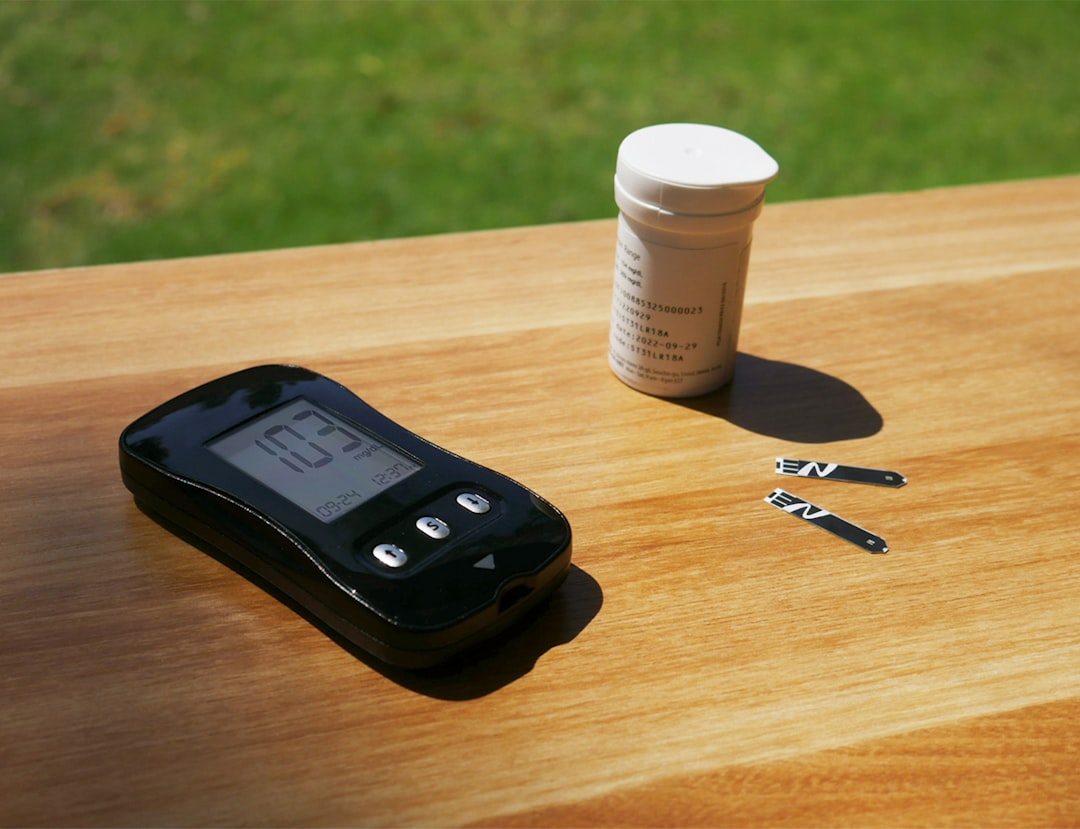
Accurate Aquarium Monitoring: How to Use Digital Probes for Temperature and Salinity
Accurate Aquarium Monitoring: How to Use Digital Probes for Temperature and Salinity
When it comes to maintaining a healthy aquarium, monitoring temperature and salinity levels is crucial. Digital probes have made it easier to keep track of these vital parameters, allowing aquarists to make informed decisions about their aquarium’s upkeep. In this article, we will delve into the world of digital probes, exploring how to use them to monitor temperature and salinity levels in both freshwater and marine aquariums. With the main keyword being digital probes for aquarium monitoring, we will also touch on related keywords such as aquarium temperature control, salinity meters, and aquarium water quality monitoring.
Choosing the Right Digital Probes
Before we dive into the nitty-gritty of using digital probes, it’s essential to choose the right ones for your aquarium. With so many options available on the market, it can be overwhelming to decide which probes to use. When selecting digital probes, consider the type of aquarium you have (freshwater or marine), the size of your tank, and the level of accuracy you require. Look for probes that are specifically designed for aquarium use and have a high level of accuracy, such as ±0.1°C for temperature and ±0.1ppt for salinity.
Setting Up and Calibrating Digital Probes
Once you have chosen your digital probes, it’s time to set them up and calibrate them. This is a critical step, as incorrect calibration can lead to inaccurate readings. To set up your probes, follow the manufacturer’s instructions and ensure they are placed in a stable and secure location within your aquarium. Calibration involves adjusting the probes to match a known standard, such as a reference thermometer or hydrometer. This process typically involves adjusting the probe’s settings to match the known value, and then verifying the accuracy of the readings.
Troubleshooting Common Issues with Digital Probes
Even with proper setup and calibration, digital probes can sometimes malfunction or provide inaccurate readings. Common issues include probe drift, where the readings gradually change over time, or electrical interference, which can cause erratic readings. To troubleshoot these issues, check the probe’s connections and ensure they are secure, and consider using a probe guard to protect the probe from damage. If the issue persists, it may be necessary to replace the probe or consult with the manufacturer.
Monitoring Temperature with Digital Probes
Temperature is a critical parameter in aquariums, and digital probes make it easy to monitor temperature levels. Most digital temperature probes use a thermistor or thermocouple to measure temperature, and can provide readings in either Celsius or Fahrenheit. When monitoring temperature, it’s essential to consider the optimal temperature range for your aquarium’s inhabitants, as well as any potential temperature fluctuations that may occur. For example, some fish species require a narrow temperature range, while others can tolerate a wider range.
Monitoring Salinity with Digital Probes
Salinity is another critical parameter in marine aquariums, and digital probes can be used to monitor salinity levels. Most digital salinity probes use a conductivity or refractometer to measure salinity, and can provide readings in either parts per thousand (ppt) or specific gravity. When monitoring salinity, it’s essential to consider the optimal salinity range for your aquarium’s inhabitants, as well as any potential salinity fluctuations that may occur. For example, some marine species require a narrow salinity range, while others can tolerate a wider range.
Using Digital Probes to Optimize Aquarium Water Quality
Digital probes can be used to optimize aquarium water quality by providing accurate and real-time readings of temperature and salinity levels. By monitoring these parameters, aquarists can make informed decisions about water changes, heating and cooling, and other maintenance tasks. For example, if the temperature is too high, the aquarist can take steps to lower it, such as turning off the heater or using a chiller. Similarly, if the salinity is too low, the aquarist can take steps to increase it, such as adding salt or adjusting the water circulation.
Best Practices for Using Digital Probes
To get the most out of your digital probes, it’s essential to follow best practices for their use. This includes regular calibration to ensure accuracy, proper placement to avoid interference or damage, and regular maintenance to ensure the probes remain in good working order. Additionally, it’s essential to monitor the probes’ readings regularly, and take action if any issues arise.
The Bottom Line
In conclusion, digital probes are a valuable tool for monitoring temperature and salinity levels in aquariums. By choosing the right probes, setting them up and calibrating them correctly, and following best practices for their use, aquarists can ensure accurate and reliable readings. Whether you’re a seasoned aquarist or just starting out, digital probes can help you optimize your aquarium’s water quality and provide a healthy environment for your fish and other inhabitants. With the right digital probes and a little practice, you’ll be well on your way to becoming an expert aquarist. Until next time, happy aquarium keeping!
📷 Photos: isens usa (Unsplash), Julia Taubitz (Unsplash), Bluewater Sweden (Unsplash)