Mastering the Art of Calcium Reactor Setup for a Thriving Reef Tank
Mastering the Art of Calcium Reactor Setup for a Thriving Reef Tank
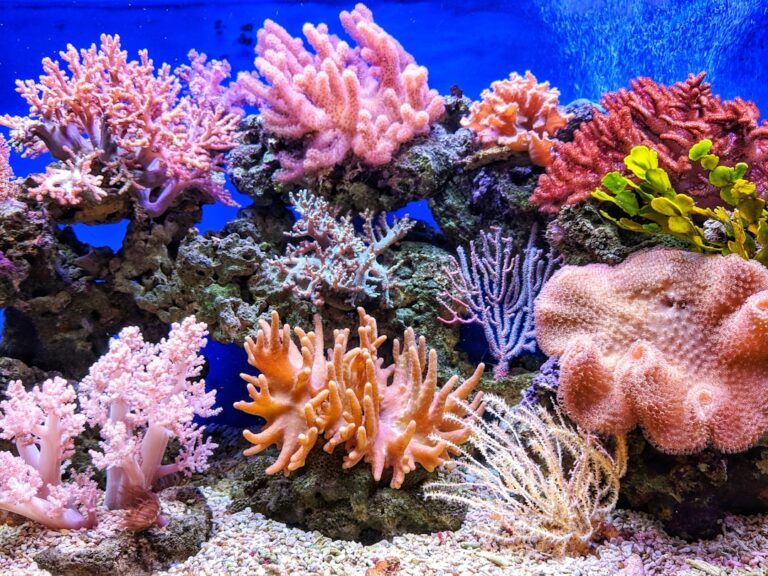
Setting up a calcium reactor is a crucial step in maintaining a healthy and thriving reef tank. A calcium reactor helps to maintain the delicate balance of calcium and alkalinity levels in the water, which is essential for the growth and development of corals and other marine life. In this article, we will explore the ins and outs of setting up a calcium reactor for a reef tank, including the best practices and common mistakes to avoid. With the right knowledge and equipment, you can create a thriving reef tank that will be the envy of all your friends.
The main keyword for this article is calcium reactor, and we will also be covering related topics such as reef tank maintenance, water chemistry, and aquarium equipment. Whether you are a seasoned aquarist or just starting out, this article will provide you with the insider knowledge you need to succeed.
Choosing the Right Calcium Reactor
With so many different calcium reactors on the market, it can be difficult to know which one to choose. When selecting a calcium reactor, there are several factors to consider, including the size of your tank, the type of corals you are keeping, and your budget. Some popular types of calcium reactors include co2-driven reactors, recirculating reactors, and external reactors. Each type has its own unique advantages and disadvantages, and the right choice for you will depend on your specific needs and preferences.
Here are some key considerations to keep in mind when choosing a calcium reactor:
- Tank size: Choose a reactor that is designed for your tank size. A reactor that is too small may not be able to keep up with the demands of your tank, while a reactor that is too large may be a waste of money.
- Corals: Consider the type of corals you are keeping and their specific needs. Some corals require more calcium than others, so choose a reactor that can meet their needs.
- Budget: Calcium reactors can range in price from a few hundred to several thousand dollars. Set a budget and choose a reactor that fits within it.
Setting Up Your Calcium Reactor
Once you have chosen your calcium reactor, it’s time to set it up. This involves several steps, including assembling the reactor, connecting the plumbing, and programming the controller. Here are some step-by-step instructions to help you get started:
- Assemble the reactor: Follow the manufacturer’s instructions to assemble the reactor. This may involve attaching the reactor chamber, pump, and other components.
- Connect the plumbing: Connect the reactor to your tank’s plumbing system. This may involve attaching hoses, valves, and other fittings.
- Program the controller: Program the controller to regulate the flow of co2 and water through the reactor. This may involve setting the pH, alkalinity, and calcium levels.
Troubleshooting Common Problems
Even with proper setup and maintenance, calcium reactors can sometimes experience problems. Here are some common issues to watch out for and how to troubleshoot them:
Some common problems include:
- Low pH: If the pH in your tank is too low, it can cause the calcium reactor to become less effective. Check the pH level and adjust the co2 flow as needed.
- High alkalinity: If the alkalinity in your tank is too high, it can cause the calcium reactor to become less effective. Check the alkalinity level and adjust the water changes as needed.
- Clogged reactor: If the reactor becomes clogged, it can cause the flow of water and co2 to become restricted. Check the reactor for any blockages and clean it as needed.
Maintenance and Upkeep
Regular maintenance and upkeep are essential to keep your calcium reactor running smoothly. Here are some tips to help you keep your reactor in good working order:
Some key maintenance tasks include:
- Checking the pH and alkalinity levels: Regularly check the pH and alkalinity levels in your tank to ensure they are within the optimal range.
- Replacing the co2 bottle: Replace the co2 bottle as needed to ensure a consistent supply of co2 to the reactor.
- Cleaning the reactor: Regularly clean the reactor to prevent the buildup of debris and bacteria.
The One Last Thing
Setting up a calcium reactor for your reef tank can seem like a daunting task, but with the right knowledge and equipment, it can be a straightforward process. Remember to choose the right reactor for your tank, follow the manufacturer’s instructions for setup and maintenance, and regularly monitor the pH and alkalinity levels in your tank. With proper care and attention, your calcium reactor will help to create a thriving and healthy reef tank that will be the envy of all your friends. Until next time, happy reefing!