3:17 AM and a Stubborn Pair of Clownfish
3:17 AM and a Stubborn Pair of Clownfish
The timer clicked off at 3:17 in the morning. I know because I was standing there, coffee mug in hand, watching the halides dim in stages. My wife thought I’d lost my mind. She was probably right.
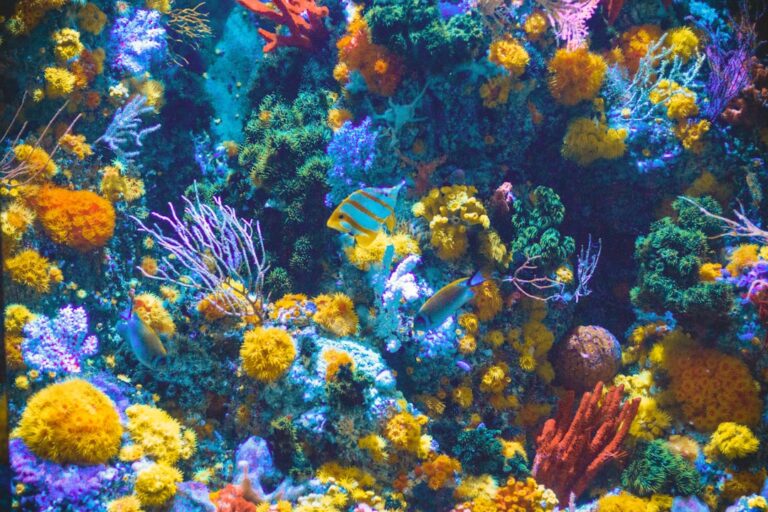
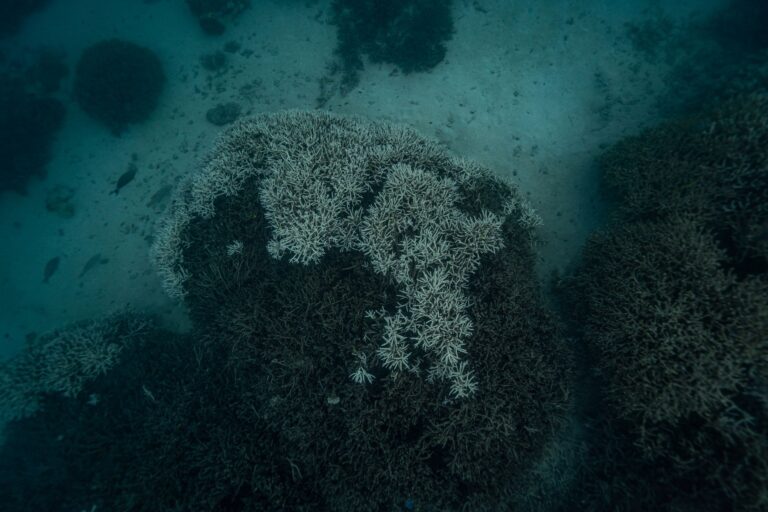
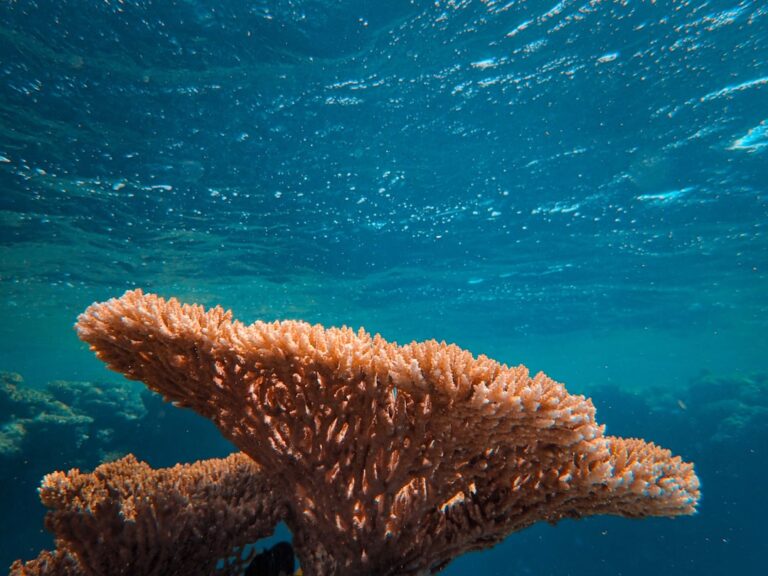
The tank had been running for eight months by then, a 90-gallon mixed reef that I’d budgeted for carefully and then spent double on anyway. The corals were alive, which I’d been told was the main goal, but they weren’t doing anything interesting. My montipora stayed brown. The acropora sat there like beige twigs someone had glued to the rockwork. The only thing thriving was the hair algae, which had apparently decided my rockwork was prime real estate.
A guy at the LFS named Darren—he works Wednesdays and Saturdays, wears a faded Reef2Reef hat—told me flat out: “Your light schedule’s wrong. Too much blue, too short a photoperiod, and you’re running your whites in the middle of the day when nobody’s home to see it.” He didn’t say it mean. He said it like someone telling you your shoelace is untied.
What I Was Doing Wrong and Didn’t Know
My original schedule was simple, which I’d confused with good. Whites on at 10 AM, ramping up to full intensity by noon, then blues from noon until 10 PM with the whites fading out at 6. It looked nice when I came home from work. That was about its only virtue.
The problem, Darren explained, was that I’d built the schedule around my visual preference instead of what the corals actually needed. The acropora were getting blasted with white light during their peak photosynthetic window, then nothing but blue for four hours after the whites cut off. The leather corals and zoas—stuff that’s supposed to be bulletproof—were sulking because their light period was too short and too intense at the wrong times.
I went home and started reading. Three hours later I had a headache and a notebook full of contradictory advice. Some people run a dawn-to-dusk ramp that lasts twelve hours. Some run a six-hour window of peak intensity. Some swear by a midday siesta period where all the lights go off for two hours, claiming it mimics Indo-Pacific cloud cover. I found five different forum threads where people nearly got into fistfights over whether you should run your blues before or after your whites.
How I Actually Fixed It
I bought a PAR meter. Not the cheap one—the Apogee MQ-510, which cost more than my first saltwater tank. My wife asked how much and I told her a number that was technically true but missing a digit. I don’t recommend lying to your spouse about aquarium equipment, but I also don’t recommend the alternative, which is having a conversation about why you need a four-hundred-dollar light meter for a tank full of sticks.
First thing I learned: my lights were too low. I’d been running them at 45% intensity because I was scared of cooking the corals, but the PAR readings at the bottom of the tank were barely 50, which is basically moonlight. The acropora on the top rocks were getting maybe 180 PAR, which sounds decent until you realize they’d been slowly starving for eight months.
I adjusted the schedule in stages, and this is where it got specific. I split the day into five phases:
Phase 1 (6 AM – 8 AM): Royal blues only, ramping from 1% to 20%. This was my “sunrise” window. No whites. Just the low-end blues that trigger the corals’ early photosynthetic response without shocking them. I’d stand in front of the tank during this period and watch the mushroom corals slowly inflate. It became a weird morning ritual.
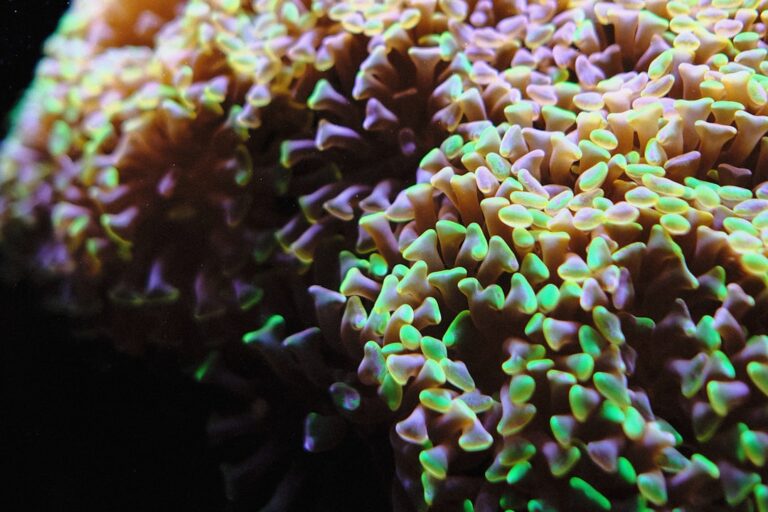
Phase 2 (8 AM – 10 AM): Blues ramp to 60%. Cool whites start at 5% and climb to 15%. This is where the tank starts looking like a real reef, not a nightclub. The green star polyps would open during this window, and the clownfish would start doing their frantic morning dance in the flow.
Phase 3 (10 AM – 2 PM): This is the core photoperiod. Blues at 80%, cool whites at 35%, warm whites at 20%. This four-hour window is when the acropora and montipora actually do their heavy lifting. PAR at the top of the rockwork reads around 320. Middle of the tank gets 200. Bottom sand bed reads 120, which is enough for the ricordea and blastos to stay happy without melting.
Phase 4 (2 PM – 4 PM): This was Darren’s suggestion and it felt wrong until I tried it. Whites drop to 10%. Blues stay at 60%. It’s a “cloudy afternoon” look that keeps the corals in an extended photosynthetic window without the intensity spike that stresses them. The fish seemed to like it too—they’d come out of the rockwork during this period and start foraging more actively.
Phase 5 (4 PM – 8 PM): Blues ramp down from 60% to 5% over two hours, then one hour of pure moonlight LEDs at 2%. By 9 PM the tank is dark, save for whatever ambient light comes from the living room.
The total photoperiod is 14 hours, but only 4 of those are at peak intensity. The corals get a gradual sunrise, a long morning of building energy, a short punch of high-intensity light, a gentle afternoon, and then a slow sunset. It’s less like a light switch and more like a very long, very slow wave.
The Green Hair Algae Episode
I didn’t mention the hair algae problem. During month five, my tank looked like a abandoned swimming pool. The GHA was growing on everything—the powerhead, the glass, even on the hermit crabs. I tried manual removal, which worked for about six hours before it came back worse. I tried a three-day blackout, which killed some of my zoas and didn’t touch the algae. I tried dosing Vibrant, which turned the water green and made the skimmer go insane.
The light schedule change helped, but not in the way I expected. The gradual ramp-up meant the algae couldn’t get that sudden burst of energy it was used to. It started growing slower, then patches of it turned white and blew off. The corals started outcompeting it for nutrients because they were actually photosynthesizing properly for the first time. It took about six weeks, but the tank balanced itself out. The GHA retreated to a few spots on the back wall that I just leave alone now. It’s not winning, and that’s good enough for me.
I also started feeding less. That was probably the real fix. I’d been dumping frozen mysis and reef roids into the tank every evening like I was running a soup kitchen, and the excess nutrients were feeding the algae banquet. I cut feedings to every other day, and within two weeks the nitrates dropped from 20 to 5. The corals colored up. The algae stopped caring about my rockwork.
What the Corals Actually Did
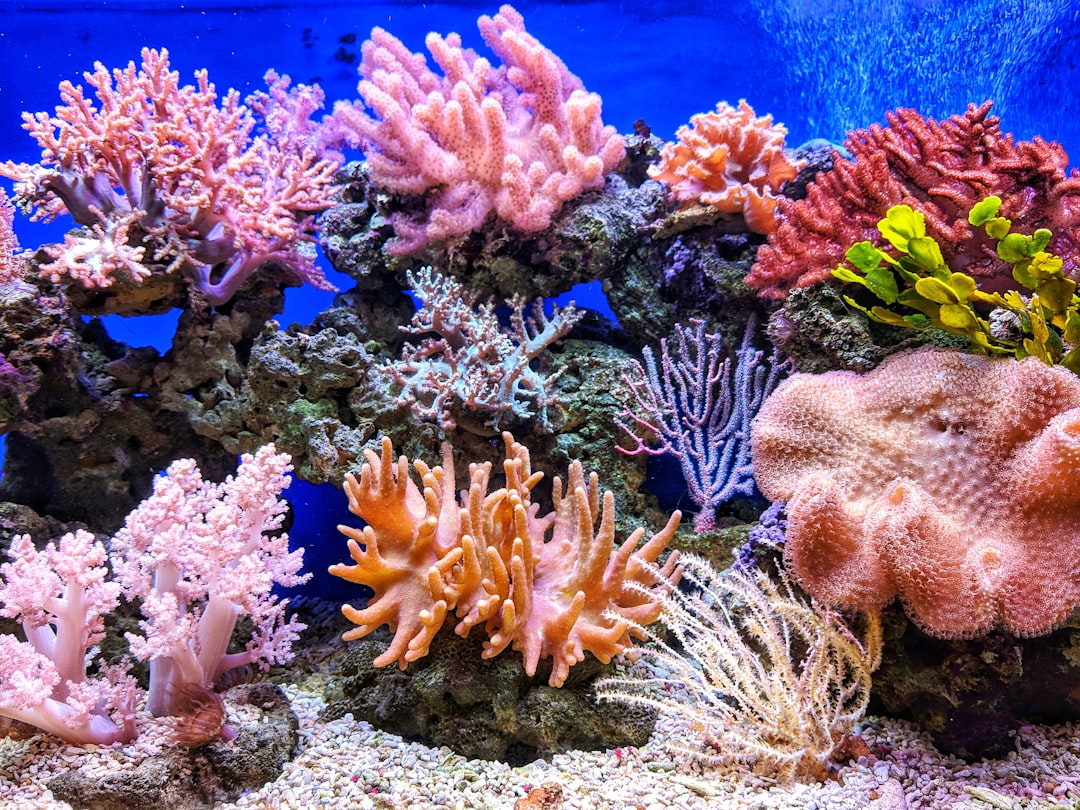
After three months on the new schedule, the changes were visible enough that my wife noticed without me pointing it out. The acropora—a green slimer that had been brown since I bought it—started showing green tips. Not a whole colony of green, just the very tips of the branches, like someone had dipped them in highlighter ink. The montipora developed a purple rim around the edges. The torch coral, which had been deflated for weeks, extended its tentacles to about four inches during the afternoon peak.
The weirdest change was the stylophora. It had always been a boring beige color, and I’d assumed that was just what it looked like. After two months on the new schedule, it turned bright pink. Not slowly—it was beige on a Tuesday and pink on Thursday. I checked the water parameters three times because I didn’t believe it. Everything was stable. The light schedule had just unlocked whatever pigment the coral had been holding in reserve.
I took a photo and sent it to Darren. He replied with three words: “Told you so.”
The Six-Line Wrasse Finally Shows Up
What I didn’t expect, and what I haven’t seen anyone write about clearly, is how much the schedule affects the fish. The clownfish used to hide during the white-light peak. I thought that was normal. Turns out they just hated getting blasted by full-spectrum light at noon. After I switched to the gradual schedule, they started swimming in the open during the afternoon window. The firefish, which had spent eight months living behind the rockwork, started hovering in the water column during the blue-only phases.
My tank has a six-line wrasse that I barely saw for the first six months. Now he’s out during the morning ramp, darting around the rockwork, occasionally stopping to stare at me through the glass like I owe him rent. He doesn’t like the peak light period—none of them do—but he knows the morning and evening windows are safe, and he uses them.
I keep the moonlights on from 9 PM to midnight. That’s when I do most of my water changes and coral placement. The fish are calm, the corals are retracted but not stressed, and the tank looks like a very expensive nightlight. I’ve fallen asleep on the couch more times than I’ll admit with the moonlights on, watching the peppermint shrimp pick at the sand.
I’m not going to tell you this is the perfect schedule. It works for my tank, my water chemistry, my specific coral mix, and my specific lights. If I changed bulbs or added a different species of SPS, I’d probably have to adjust. But the principle is what matters: start slow, measure everything, and don’t build your schedule around what looks good when you get home from work. Build it around what the corals actually need.
I still wake up sometimes at 3 AM and check on the tank. The corals are asleep. The fish are hovering in the corners. The water is quiet, and the timer is waiting for 6 AM to start the whole cycle over. I don’t touch anything anymore. I just watch, and then I go back to bed.
📷 Photos: qui nguyen (Unsplash), roy zeigerman (Unsplash)