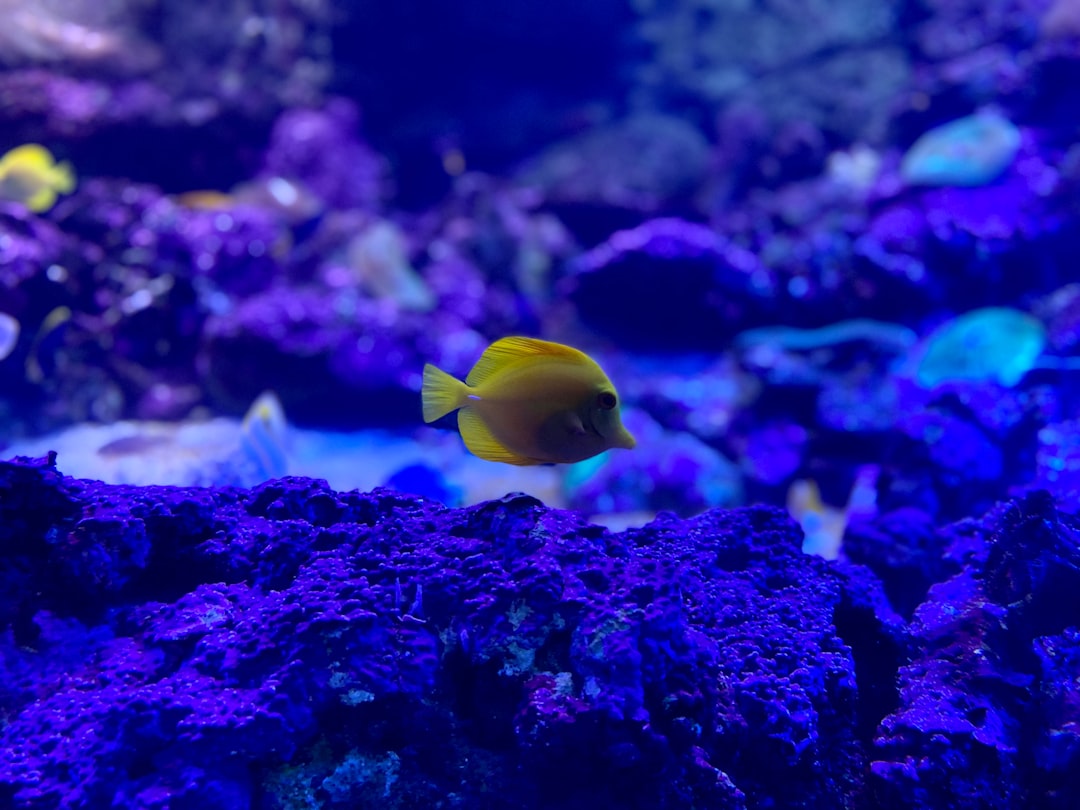
The Fish That Made Everyone Rethink Copper
The Fish That Made Everyone Rethink Copper
The call came on a Thursday evening, just before the shop closed. James Wolten, who runs a small coral propagation setup out of a repurposed garage in the Perth suburbs, had noticed something wrong with a newly arrived powder blue tang. White spots, clustered around the gill plates and trailing along the dorsal fin. Marine ich. He’d been keeping saltwater for about eighteen months at that point, long enough to know the standard protocol but not long enough to have built the kind of reflexes that keep trouble from escalating.
Copper treatment is the usual answer. It works reliably, it’s well-documented, and nearly every experienced aquarist has a bottle of something copper-based tucked away for emergencies. But James had a complication: a small cleanup crew of peppermint shrimp and a fighting conch that had been in the quarantine tank for three weeks, clearing out some hair algae before the main display was ready. Copper would kill them. And moving them out meant finding a second temporary holding space, which he didn’t have.
“I sat there looking at the tank for maybe twenty minutes before I did anything,” he says. “I knew copper was the safe bet. But I also knew I’d lose the shrimp, and I’d spent three months trying to find a healthy fighting conch in Perth. They’re not common here.”
That moment—stuck between a proven treatment and a loss you can’t quite accept—is more common than most aquarium articles acknowledge. The advice is usually clear. The execution is rarely clean.
What Copper Does That Nothing Else Quite Replicates
Copper-based treatments work because they target the free-swimming tomont stage of Cryptocaryon irritans, the parasite responsible for marine ich. At therapeutic levels—typically around 0.15 to 0.20 ppm for chelated copper—the medication disrupts the parasite’s ability to complete its life cycle. Without that intervention, the parasite reproduces in a predictable loop: trophonts feed on the fish, drop off, form cysts on the substrate or glass, and release hundreds of new tomites into the water column within days.
The real problem with copper isn’t efficacy. It’s everything else. It’s toxic to invertebrates, yes, but it also stresses fish—sometimes badly. It’s absorbed by live rock and sand, which means it can’t be used in a display tank without ruining the biological filtration for months. It requires careful dosing and frequent testing because levels drift. And for some fish, especially tangs and angelfish, prolonged copper exposure can cause kidney damage or suppress appetite to the point of starvation.
“Copper is the standard because it’s the most reliable tool we have,” says a marine biologist who advises a public aquarium in Southeast Asia and asked not to be named because she wasn’t authorized to speak for the institution. “But it’s never been a gentle one. The question most hobbyists don’t ask early enough is whether the fish can survive both the parasite and the cure.”
That question—can the fish survive both—is what drove James toward an alternative. He’d read about hyposalinity, about freshwater dips, about various commercial additives that claimed to treat ich without copper. Most of those claims, he’d learned quickly, were overstated or outright false. But one approach kept coming up in forum posts and old reefing articles: transfer method combined with environmental management.
The Tank Transfer Protocol That Actually Worked
The concept is simple. Marine ich’s free-swimming stage lasts no more than about 48 hours at normal aquarium temperatures. If you move the fish to a clean, sterile tank every three days, you break the cycle. The parasites left behind in the old tank have no host to attach to, and the fish never encounters a new generation of tomites because it’s gone before they can hatch.
The execution is anything but simple.
James set up two 20-gallon plastic storage bins in his laundry room, each with a small sponge filter, a heater, and a lid. No substrate. No decorations. No live rock. A PVC elbow for the fish to hide in, but nothing porous that could harbor parasites. The water was freshly mixed saltwater, heated to 78°F and aerated for 24 hours before each transfer.
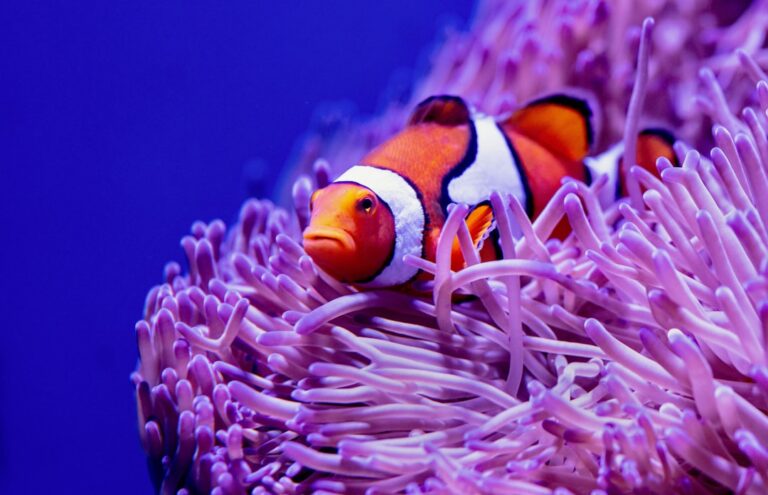
Every 72 hours, he caught the tang—and the other fish in quarantine, a small clownfish pair that showed no symptoms but couldn’t be assumed clean—and moved them to the second bin. The first bin was drained, dried completely, wiped down with a dilute bleach solution, rinsed, dried again, and left empty until the next transfer.
That rhythm held for six weeks.
“The first transfer was chaos,” James remembers. “The tang was already stressed, and chasing it around a bare plastic bin with a net for five minutes wasn’t helping. I learned to use two nets, one to herd and one to catch. Also learned not to fill the bin all the way full—less depth means less chasing. That cost me about an hour of panic the first time.”
The fighting conch and the peppermint shrimp stayed in the original quarantine tank, which had been moved to a different room to avoid any cross-contamination via aerosol droplets or equipment. That tank got a separate set of nets and tubing. Nothing that touched the fish bins touched the invert tank.
The Temperature Variable Nobody Talks About
Temperature management turned out to be a hidden variable. James kept the bins at 80°F rather than the typical 76–78°F, based on research suggesting that elevated temperatures accelerate the ich life cycle but also weaken the parasite’s ability to attach and mature. The trade-off: higher temperature increases metabolic demand on the fish, which means more feeding and better water quality management. He fed twice daily, small amounts of garlic-infused frozen mysis, and did 30% water changes on the bins every other day between transfers.
By week three, the tang’s spots had disappeared. By week five, no new spots had appeared on any of the fish. James waited another two weeks past the last visible sign of infection before declaring the protocol successful—a caution he’d learned from a reefing forum where someone had stopped early and watched the ich return within a week.
What This Approach Cost
“I went through about 120 gallons of salt mix over those six weeks,” he says. “Maybe $60 in salt, another $15 in dechlorinator. Plus the bins and sponge filters—maybe $40 total. And a lot of hours.”
The time cost was substantial. Each transfer took about 45 minutes from start to finish: catching the fish, setting up the new bin, breaking down the old one, cleaning, drying. Every other day water changes on the bins added another 20 minutes. And the constant monitoring—checking for spots, checking appetite, checking water parameters—meant he was in the laundry room several times a day.
Compare that to copper treatment: dose once, test daily, do a water change weekly. The hands-on time is dramatically lower. But the risk profile is different. James estimates that if he’d used copper, he would have lost the shrimp and the conch—roughly $80 in livestock, plus the hassle of finding replacements. The conch especially, since it was doing valuable cleanup work in the eventual display tank.
There’s no clear winner between the two approaches. They trade different currencies: time versus toxicity, attention versus certainty.
The Breakpoint Nobody Wants to Talk About
Not every ich outbreak can be managed without copper. Severe infections, especially on fish that are already emaciated or have secondary bacterial infections, may not survive the extended handling of a transfer protocol. James acknowledges this without hedging: “If the fish is covered in spots and breathing heavy, you don’t have six weeks. You have maybe days. In that case, I’d use copper and accept whatever losses come with it.”
His fish were caught early. The powder blue tang had maybe two dozen visible spots, well-fed, still eating aggressively, swimming normally. That made the non-copper approach viable. A fish that’s already stopped eating or is flashing against surfaces repeatedly may not have the physiological reserve to handle repeated transfers.
The marine biologist who advised the public aquarium makes the same point without softening it: “The transfer method works, but it requires a fish that’s strong enough to survive six weeks of being caught and moved every few days. Not all fish are. And not all owners have the discipline to follow the protocol exactly. One skipped transfer, one moment of letting the water quality slide, and you’re back to square one.”
The discipline part is real. James admits he nearly quit at week four, when the clownfish showed a single spot on its pectoral fin and he wasn’t sure if it was a relapse or a healing scar. He did a full water change on both bins anyway, kept the schedule, and the spot was gone by the next transfer. “If I’d panicked and added copper at that point, I’d have wasted the previous month,” he says. “But it’s hard to stay calm when you’ve been at it that long and something looks off.”
What the Shrimp Taught Him
The peppermint shrimp and the fighting conch, left alone in their tank for six weeks, did fine. The shrimp molted twice. The conch plowed through the remaining hair algae and then settled into a corner, apparently content to wait. James didn’t have to intervene once.
“I walked into the laundry room one morning and the tang was just swimming, completely clean, eating from my fingers. And I realized that I’d done it without burning anything down.”
The conch eventually went into the display tank, where it still patrols the sand bed. The peppermint shrimp took up residence in a rock crevice and occasionally shows up during feeding time. The powder blue tang survived another eight months before succumbing to a different problem—a velvet outbreak that hit during a power outage and spread faster than any treatment could stop it. That one got copper, because there was no time for anything else.
📷 Photos: Yang Li (Unsplash), Michael Descharles (Unsplash)