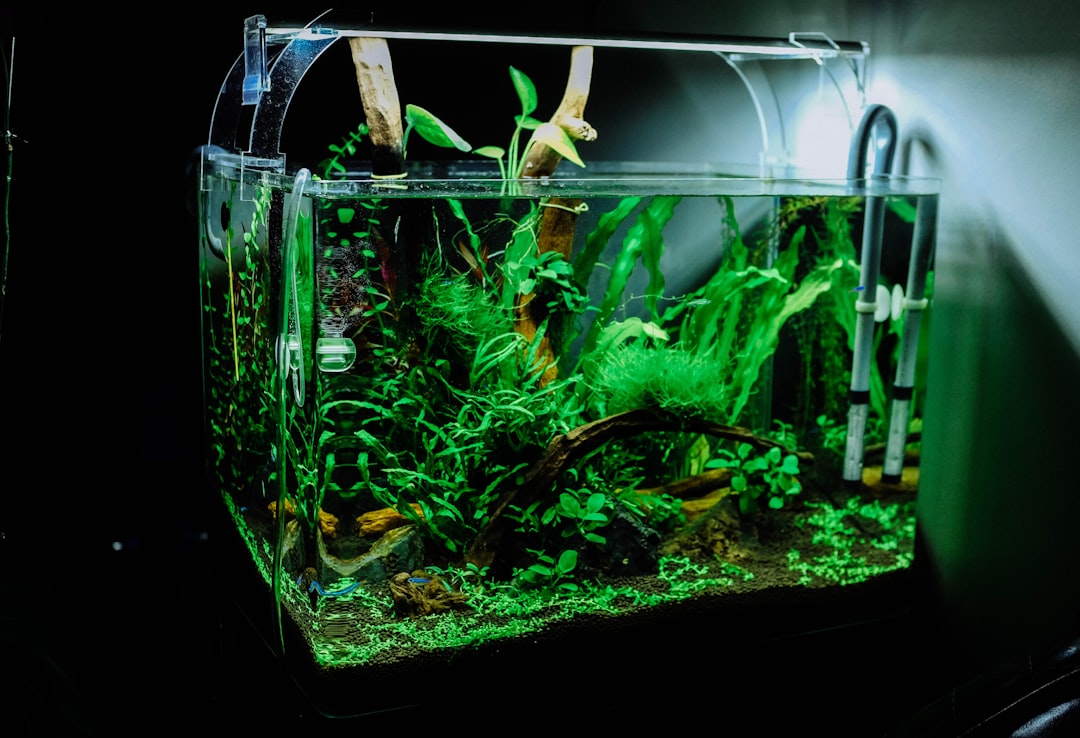
Planted Tank Dutch vs Nature Style
Introduction to Planted Tank Styles
When it comes to setting up a planted tank, there are several styles to choose from, each with its unique characteristics and requirements. Two of the most popular styles among aquarium enthusiasts are the Dutch and Nature styles. In this article, we’ll delve into the world of planted tank Dutch vs Nature style, exploring their differences, similarities, and what makes them tick.
Dutch Style: A Traditional Approach
The Dutch style, also known as the “Dutch aquarium,” has been around for decades and is characterized by its meticulous attention to detail and emphasis on aquascaping. This style typically features a rectangular tank with a plain background, and the focus is on showcasing a variety of aquatic plants in a harmonious and balanced way. The plants are often arranged in a symmetrical pattern, with a mix of foreground, midground, and background plants to create depth and visual interest.
In a Dutch-style tank, the plants are the main attraction, and the goal is to create a stunning display of color and texture. To achieve this, the tank is typically equipped with high-intensity lighting, and the plants are carefully pruned and maintained to prevent overgrowth and promote healthy development.
Nature Style: A More Relaxed Approach
The Nature style, also known as the “biotope aquarium,” takes a more relaxed approach to planted tank design. This style aims to recreate a natural environment, such as a riverbed or lakebed, and often features a mix of rocks, driftwood, and plants to create a natural-looking landscape.
In a Nature-style tank, the focus is on creating a balanced ecosystem, where the plants and animals coexist in harmony. The tank is often equipped with a more subdued lighting system, and the plants are allowed to grow more naturally, with less pruning and maintenance.
Key Differences and Similarities
So, what sets the Dutch and Nature styles apart, and what do they have in common? Here are some key differences and similarities:
- Plant selection: Dutch-style tanks often feature a wide variety of plants, including stem plants, roses, and carpeting plants. Nature-style tanks, on the other hand, tend to focus on more natural, native plants that are adapted to the specific biotope being recreated.
- Lighting: Dutch-style tanks require high-intensity lighting to support the growth of a wide range of plants. Nature-style tanks, by contrast, often use more subdued lighting to create a more natural environment.
- Maintenance: Dutch-style tanks require regular pruning and maintenance to keep the plants looking their best. Nature-style tanks, on the other hand, are often designed to be more low-maintenance, with a focus on creating a balanced ecosystem that can thrive with minimal intervention.
Despite their differences, both styles share a common goal: to create a beautiful and thriving planted tank that showcases the beauty of aquatic plants and the art of aquascaping.
Choosing the Right Style for You
So, which style is right for you? If you’re looking for a more traditional, attention-grabbing display of plants, the Dutch style may be the way to go. On the other hand, if you prefer a more natural, relaxed approach to planted tank design, the Nature style may be more up your alley.
Ultimately, the choice between Dutch and Nature styles comes down to your personal preferences and goals for your planted tank. With a little practice and patience, you can create a stunning display of aquatic plants that showcases your unique style and flair.
Ready to start your planted tank journey? Whether you’re a seasoned aquarist or just starting out, we invite you to explore the world of aquascaping and discover the beauty of Dutch and Nature style tanks for yourself. Happy planting!
Photo by Huy Phan on Unsplash