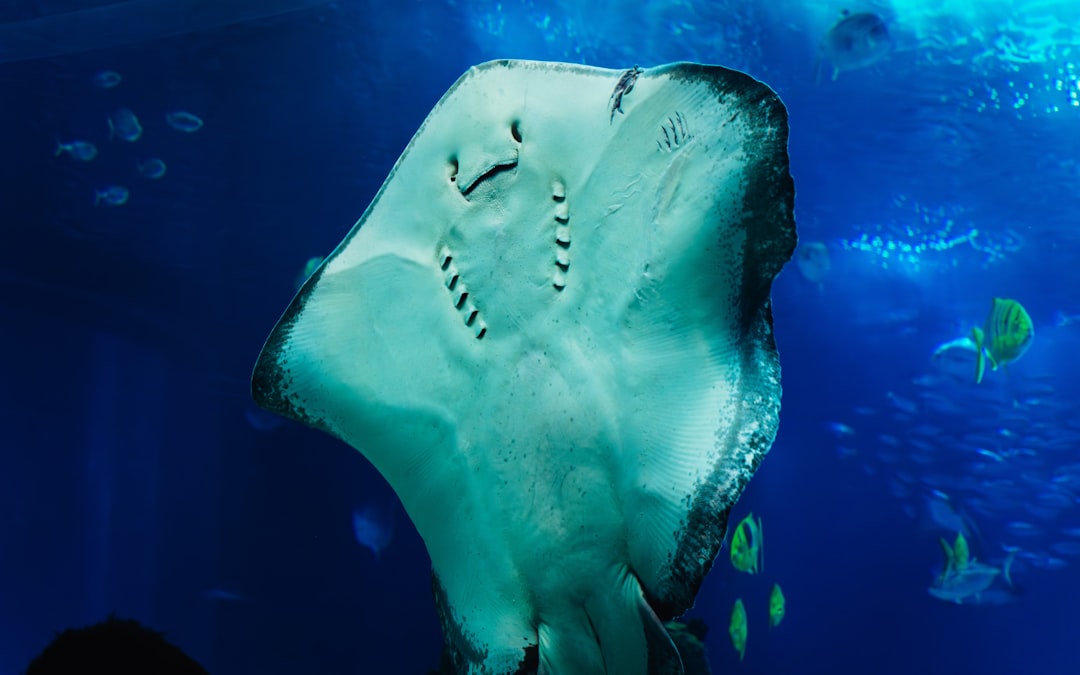
Freshwater Stingray Care Guide
Freshwater Stingray Care: A Comprehensive Guide for Aquarium Enthusiasts
Freshwater stingrays have become increasingly popular among aquarium enthusiasts in Asia, and for good reason. These fascinating creatures are not only mesmerizing to watch, but they also add a unique touch to any freshwater aquarium. However, providing proper care for freshwater stingrays can be challenging, especially for beginners. In this article, we will delve into the latest developments and best practices for freshwater stingray care, covering topics such as tank setup, water parameters, diet, and health management.
Choosing the Right Species
There are several species of freshwater stingrays available in the aquarium trade, each with its own unique characteristics and requirements. Some popular species include the Motoro stingray, the Teacup stingray, and the Reticulate stingray. When choosing a species, it’s essential to consider factors such as tank size, water parameters, and feeding requirements. For example, the Motoro stingray is a relatively large species that requires a minimum tank size of 125 gallons, while the Teacup stingray is a smaller species that can thrive in a tank as small as 30 gallons.
Tank Setup and Water Parameters
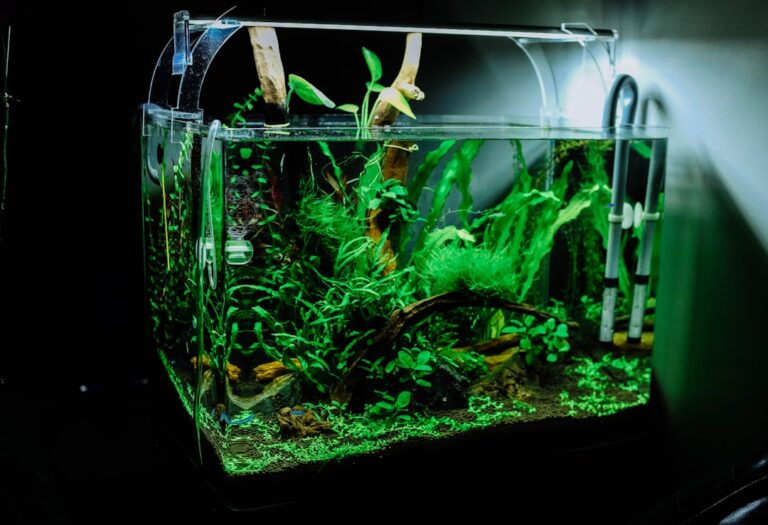
Providing a suitable environment for your freshwater stingray is crucial for its health and well-being. A large, shallow tank with a sandy substrate and plenty of hiding places is ideal. The tank should also have a secure lid to prevent the stingray from jumping out. In terms of water parameters, freshwater stingrays prefer warm, slightly acidic to neutral water with a pH range of 6.5-7.5 and a temperature range of 78-82°F. Regular water changes and a high-quality filtration system are also essential for maintaining optimal water quality.
Diet and Feeding
Freshwater stingrays are carnivores and feed on a variety of foods, including meaty foods such as earthworms, bloodworms, and brine shrimp. They also appreciate commercial pellets and frozen foods specifically formulated for stingrays. It’s essential to provide a varied diet that includes a mix of live, frozen, and commercial foods to ensure your stingray is getting all the necessary nutrients. Overfeeding should be avoided, as it can lead to water quality issues and health problems.
Health Management
Freshwater stingrays are generally hardy animals, but they can be prone to certain health issues, such as bacterial infections, parasites, and injuries. Regular monitoring of your stingray’s behavior and appearance can help detect any potential health issues early on. Common signs of illness or stress include labored breathing, lethargy, and changes in appetite or coloration. If you suspect your stingray is ill or injured, it’s essential to seek advice from a qualified aquarium professional or veterinarian experienced in treating freshwater stingrays.
Additional Tips and Considerations
Here are some additional tips and considerations to keep in mind when caring for freshwater stingrays:
- Handle your stingray gently and carefully, avoiding touching its sensitive eyes and gills.
- Provide plenty of hiding places, such as plants, rocks, and caves, to help your stingray feel secure.
- Avoid keeping freshwater stingrays with aggressive or fin-nipping tankmates, as they can be stressed or injured.
- Regularly test your water parameters and make adjustments as necessary to maintain optimal water quality.
- Consider joining a local aquarium club or online community to connect with other freshwater stingray enthusiasts and learn from their experiences.
By following these guidelines and staying up-to-date with the latest developments in freshwater stingray care, you can provide a happy and healthy environment for your pet. Remember to always do plenty of research and plan carefully before bringing a freshwater stingray into your aquarium, and don’t hesitate to seek advice from experienced aquarists or aquarium professionals if you have any questions or concerns.
Ready to dive into the world of freshwater stingray care? Start by researching different species, reading online forums and reviews, and consulting with local aquarium experts to find the best fit for your aquarium and experience level. Happy aquascaping!
Photo by Nicolas on Unsplash