Coral Farming in the Philippines
Coral Farming in the Philippines: A Guide to Success
Coral farming is a thriving industry in the Philippines, with the country being home to some of the most diverse and vibrant coral reefs in the world. However, coral farming is not just about cultivating corals for the aquarium trade, it’s also about promoting sustainable livelihoods and conserving marine ecosystems. In this article, we’ll share some practical tips on how to get started with coral farming in the Philippines, from setting up your farm to marketing your products.
Setting Up Your Coral Farm
Before you start coral farming, you need to consider several factors, including the location of your farm, the type of corals you want to cultivate, and the equipment you’ll need. The Philippines has a long coastline with many areas suitable for coral farming, but you’ll need to ensure that your farm is located in an area with good water quality and a stable environment. You’ll also need to obtain the necessary permits and licenses from the relevant authorities, such as the Bureau of Fisheries and Aquatic Resources (BFAR).
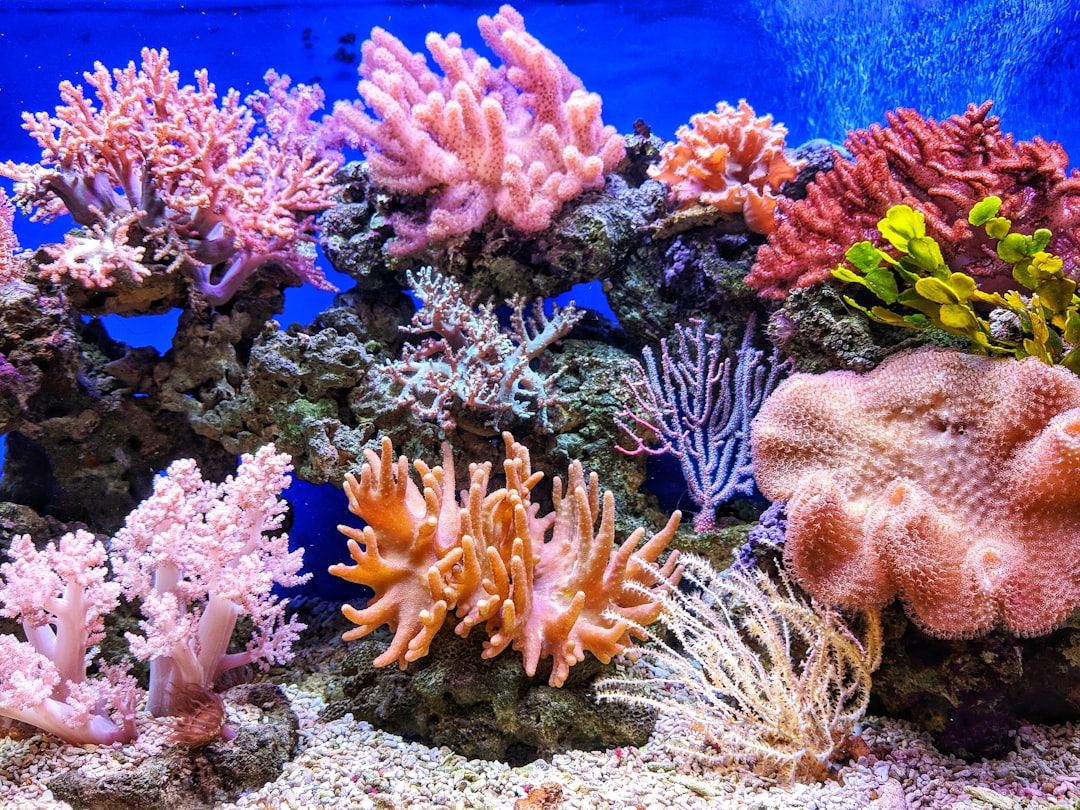
Some popular locations for coral farming in the Philippines include Palawan, Cebu, and Bohol, which are known for their rich marine biodiversity and suitable climate. When it comes to the type of corals to cultivate, you can choose from a variety of species, including stony corals, soft corals, and sea fans. Each type of coral has its own unique characteristics and requirements, so it’s essential to research and understand their needs before deciding which ones to cultivate.
Coral Farming Techniques
There are several coral farming techniques you can use, including the “coral tree” method, the “coral nursery” method, and the “long-line” method. The coral tree method involves growing corals on a trellis-like structure, while the coral nursery method involves growing corals in a controlled environment, such as a tank or a pool. The long-line method involves growing corals on a long line or rope, which is suspended in the water.
Regardless of the technique you choose, you’ll need to ensure that your corals are healthy and thriving. This involves monitoring water quality, providing adequate lighting and nutrition, and controlling pests and diseases. You’ll also need to regularly prune and maintain your corals to promote healthy growth and prevent overcrowding.
- Monitor water quality regularly to ensure it’s suitable for coral growth
- Provide adequate lighting, such as LED or T5 lights, to promote photosynthesis
- Offer a varied diet, such as commercial coral food or live foods like brine shrimp
- Control pests and diseases, such as coral-eating fish or bacterial infections
- Prune and maintain your corals regularly to promote healthy growth
Marketing Your Coral Farm Products
Once you’ve established your coral farm and are producing high-quality corals, you’ll need to market your products to potential buyers. This can include aquarium hobbyists, pet stores, and other coral farms. You can use a variety of marketing strategies, such as social media, online advertising, and trade shows, to reach your target market.
It’s also essential to build relationships with your buyers and provide excellent customer service to ensure repeat business and positive word-of-mouth. You can offer a variety of services, such as coral fragging, shipping, and consulting, to differentiate your business and attract more customers.
- Use social media platforms, such as Facebook and Instagram, to showcase your corals and interact with potential buyers
- Attend trade shows and aquarium conventions to network with other coral farmers and buyers
- Offer high-quality photos and videos of your corals to help buyers make informed purchasing decisions
- Provide excellent customer service, including prompt communication and reliable shipping
Conclusion
Coral farming in the Philippines can be a rewarding and profitable venture, but it requires careful planning, hard work, and a commitment to sustainability. By following these tips and staying up-to-date with the latest techniques and best practices, you can establish a successful coral farm and contribute to the conservation of marine ecosystems.
If you’re interested in learning more about coral farming or would like to get started with your own coral farm, we encourage you to reach out to us or visit our website for more information. We’re always happy to help and support new coral farmers in the Philippines.
Photo by qui nguyen on Unsplash