Axolotl Care and Legal Status in Asia
Axolotl Care and Legal Status in Asia: A Comprehensive Guide
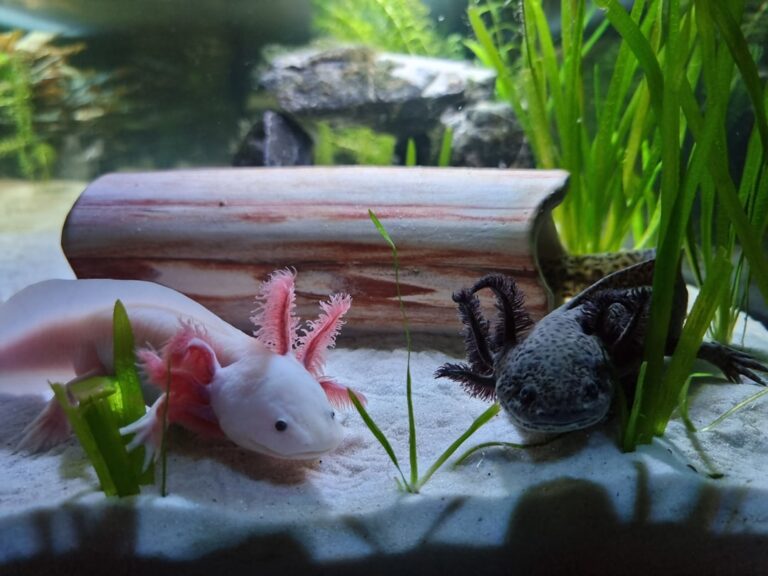
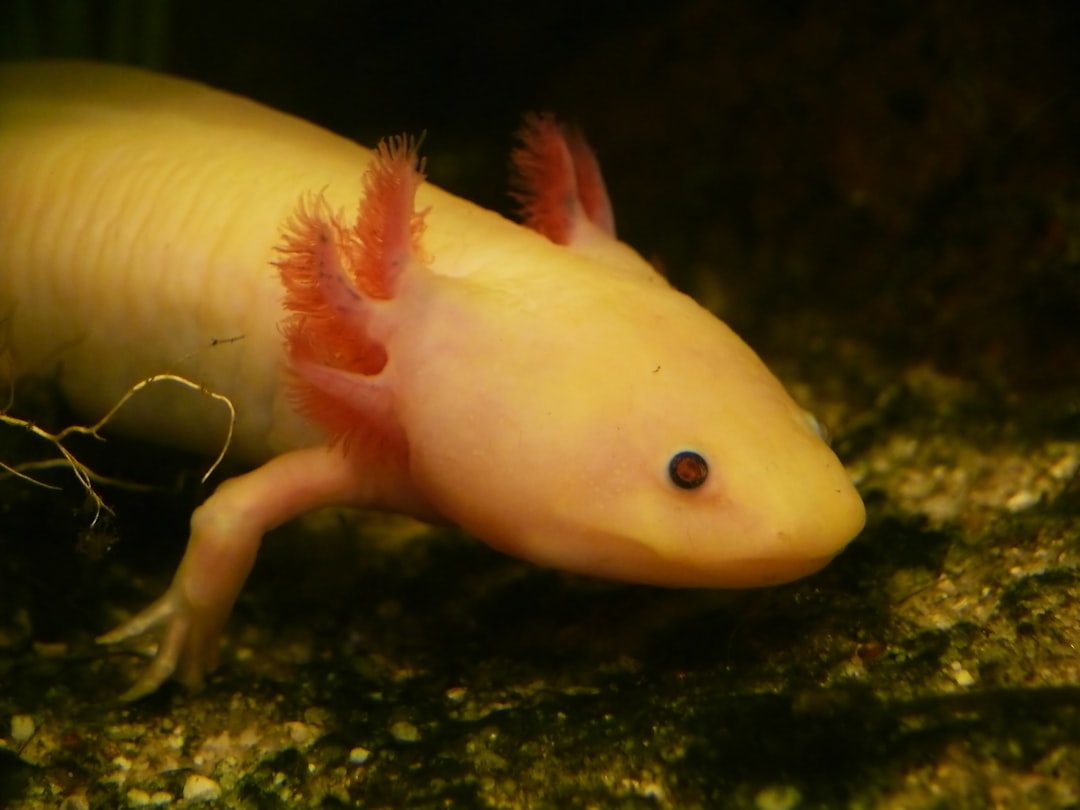
Are you fascinated by the unique and intriguing axolotl? These Mexican salamanders have been gaining popularity in Asia, and for good reason. With their feathery gills and ability to regrow limbs, axolotls are a captivating addition to any aquarium. However, before bringing one home, it’s essential to understand the intricacies of axolotl care and the legal status of these creatures in Asia.
Understanding Axolotl Care
Axolotls are relatively low-maintenance pets, but they do require specific care to thrive. Here are some key considerations:
- Temperature: Axolotls prefer cooler temperatures, between 15-18°C (59-64°F). Avoid placing their tank near direct sunlight or heating vents.
- Diet: Axolotls are carnivores and feed on a variety of foods, including earthworms, bloodworms, and commercial pellets. Avoid overfeeding, as this can lead to digestive issues.
- Water quality: Regular water changes are crucial to maintaining a healthy environment for your axolotl. Aim to change 10-20% of the water weekly, and monitor water parameters such as pH, ammonia, and nitrite levels.
- Substrate: Avoid using gravel or sand, as these can cause respiratory issues. Instead, opt for a bare-bottom tank or a substrate specifically designed for axolotls.
By following these guidelines, you can create a thriving environment for your axolotl. However, it’s also essential to consider the legal status of axolotls in Asia.
Axolotl Legal Status in Asia
The legal status of axolotls varies across Asia, and it’s crucial to understand the regulations in your country or region. In some areas, axolotls are considered an invasive species and are therefore prohibited. In others, they may be permitted with a license or permit.
For example, in Singapore, axolotls are considered an exotic species and require a license from the Agri-Food and Veterinary Authority (AVA). In Japan, axolotls are regulated under the Invasive Alien Species Act, and their importation and possession are strictly controlled.
In Indonesia, axolotls are not regulated, but their trade is subject to certain restrictions. It’s essential to research the specific laws and regulations in your area before purchasing or importing an axolotl.
Responsible Axolotl Ownership
As an axolotl owner, it’s essential to prioritize responsible ownership. This includes:
- Researching and understanding the laws and regulations in your area
- Ensuring proper care and housing for your axolotl
- Avoiding the release of axolotls into the wild, as this can cause harm to native ecosystems
- Supporting reputable and licensed breeders or suppliers
By being a responsible axolotl owner, you can help promote the welfare of these unique creatures and contribute to their conservation.
Axolotl Conservation Efforts
Axolotls are currently listed as an endangered species due to habitat loss, pollution, and the introduction of non-native species. As an axolotl owner, you can support conservation efforts by:
Donating to reputable organizations, such as the Axolotl Conservation Program
Spreading awareness about the importance of axolotl conservation
Supporting sustainable and eco-friendly practices in the aquarium industry
By working together, we can help protect these incredible creatures and their habitats.
Are you ready to bring an axolotl into your life? Remember to do your research, understand the laws and regulations in your area, and prioritize responsible ownership. With proper care and attention, your axolotl can thrive, and you can enjoy the unique experience of owning one of these fascinating creatures. Join our community of axolotl enthusiasts and stay up-to-date on the latest news, tips, and advice on axolotl care and conservation.
Photo by Lutz Stallknecht on Unsplash