Advanced Marine Reef Systems Management
Introduction to Advanced Marine Reef Systems
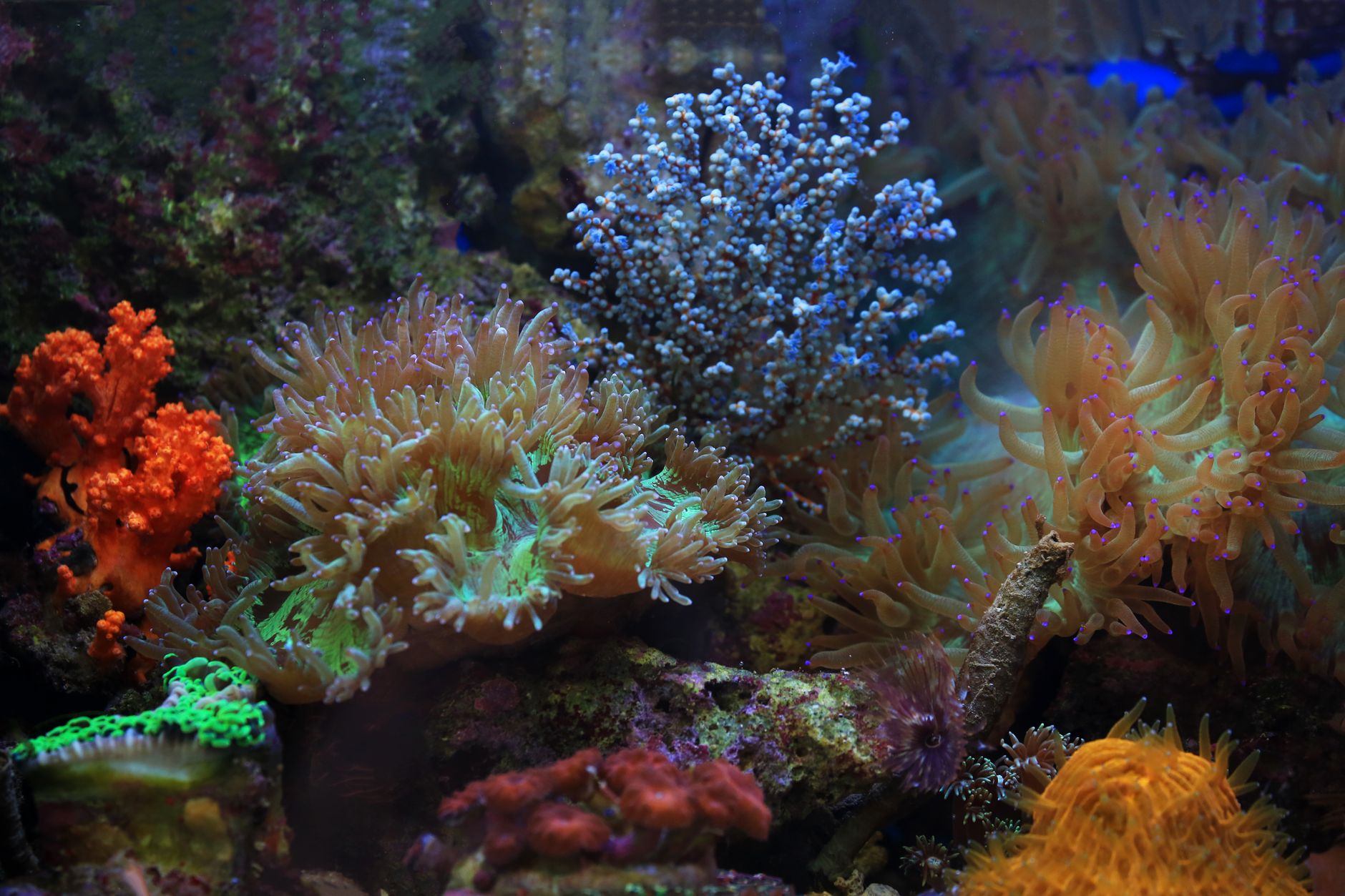
Aquatic ecosystems, particularly marine reef systems, are complex and delicate environments that require precise management and maintenance to thrive. Aquarium Asia, a leading authority in commercial aquatic exports, high-volume filtration infrastructure, reef engineering, biotope replication, and regulatory trade compliance tracking, recognizes the importance of advanced considerations in marine reef systems. This article will delve into the granular pathogen mitigation strategies for treating complex internal parasites, viral infections, and protozoan outbreaks in marine reef systems.
Understanding Pathogens in Marine Reef Systems
Pathogens in marine reef systems can be categorized into three primary groups: internal parasites, viral infections, and protozoan outbreaks. Internal parasites, such as trematodes and nematodes, can infect a wide range of marine species, causing significant morbidity and mortality. Viral infections, including those caused by the iridovirus and nodavirus, can also have devastating effects on marine populations. Protozoan outbreaks, such as those caused by the dinoflagellate genus Pfiesteria, can lead to significant water quality issues and harm to aquatic life.
Internal Parasite Mitigation Strategies
To mitigate the effects of internal parasites in marine reef systems, a multi-faceted approach is necessary. This includes:
- Quarantine and isolation: Isolating infected individuals and quarantining new additions to the system can help prevent the spread of internal parasites.
- Medication and treatment: Administering anti-parasitic medications, such as praziquantel and metronidazole, can help eliminate internal parasites.
- Biological control: Introducing natural predators or competitors of internal parasites can help regulate their populations.
- Improved water quality: Maintaining optimal water quality parameters, such as pH, ammonia, and nitrite levels, can help reduce the stress on aquatic life and prevent the proliferation of internal parasites.
Viral Infection Mitigation Strategies
Viral infections in marine reef systems can be challenging to manage, but several strategies can help mitigate their effects. These include:
- Vaccination: Developing and administering vaccines against specific viral infections can help prevent outbreaks.
- Improved water quality: Maintaining optimal water quality parameters can help reduce the stress on aquatic life and prevent the proliferation of viral infections.
- Quarantine and isolation: Isolating infected individuals and quarantining new additions to the system can help prevent the spread of viral infections.
- Antiviral medication: Administering antiviral medications, such as oseltamivir and ribavirin, can help reduce the severity of viral infections.
Protozoan Outbreak Mitigation Strategies
Protozoan outbreaks in marine reef systems can be managed through a combination of strategies, including:
- Improved water quality: Maintaining optimal water quality parameters can help reduce the stress on aquatic life and prevent the proliferation of protozoan outbreaks.
- Biological control: Introducing natural predators or competitors of protozoa can help regulate their populations.
- Chemical control: Administering chemicals, such as copper and formalin, can help eliminate protozoa.
- Physical removal: Physically removing infected individuals and debris can help prevent the spread of protozoan outbreaks.
Regulatory Trade Compliance Tracking
Aquarium Asia recognizes the importance of regulatory trade compliance tracking in the management of marine reef systems. This includes:
| Regulation | Description |
|---|---|
| CITES | Convention on International Trade in Endangered Species of Wild Fauna and Flora |
| USDA | United States Department of Agriculture regulations on the importation and exportation of aquatic species |
| EU Regulations | European Union regulations on the importation and exportation of aquatic species |
Conclusion and Summary
In conclusion, the management of marine reef systems requires a deep understanding of the complex interactions between aquatic life, water quality, and pathogens. By implementing granular pathogen mitigation strategies, including internal parasite, viral infection, and protozoan outbreak management, aquatic professionals can help maintain healthy and thriving marine ecosystems. Aquarium Asia is committed to providing expert guidance and support in the management of marine reef systems, ensuring compliance with regulatory trade requirements and promoting the long-term sustainability of these delicate ecosystems. The technical operational parameters for managing marine reef systems include a comprehensive understanding of water quality management, biological and chemical control methods, and regulatory trade compliance tracking.
Asset Matrix: Photo via Pexels by Jeffry Surianto