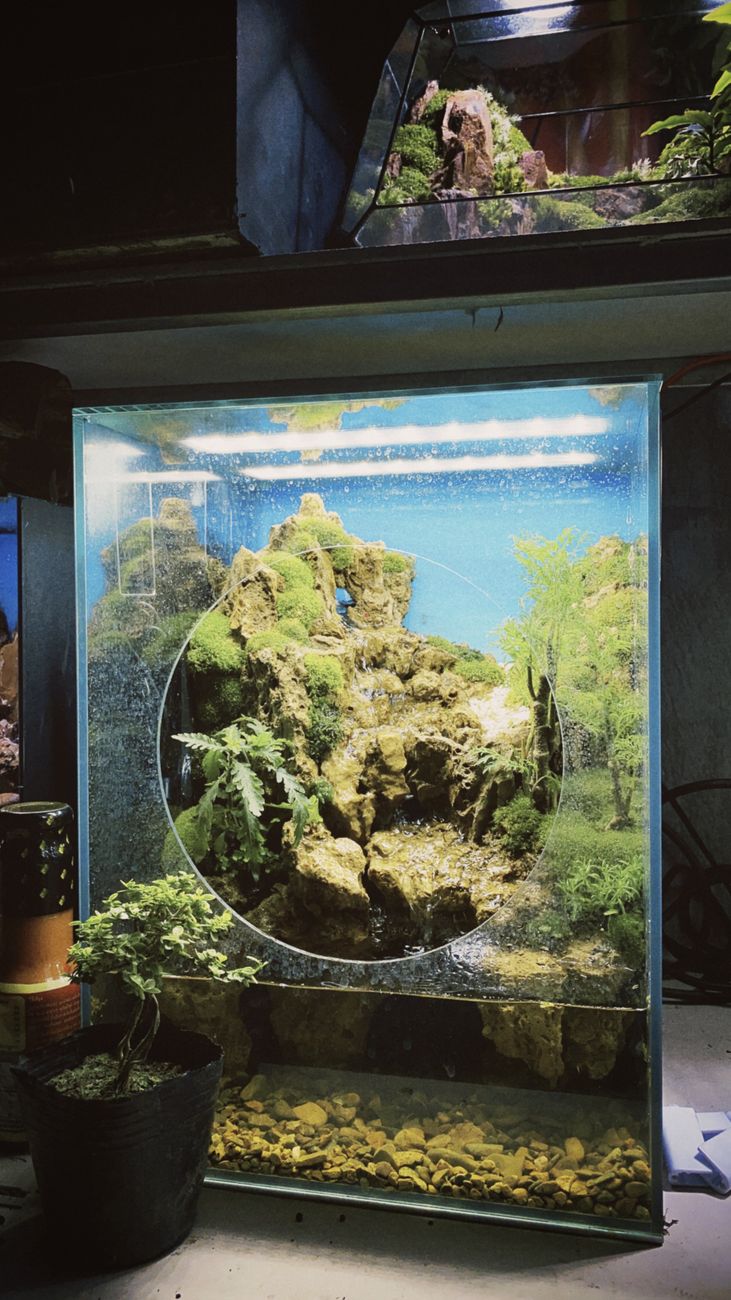
Advanced Aquascaping Design for Pathogen Mitigation
Introduction to Advanced Aquascaping Design
Aquascaping design is a critical aspect of aquarium maintenance, particularly in high-volume commercial aquatic exports. A well-designed aquascape can help mitigate the risk of pathogen outbreaks, improve water quality, and enhance the overall health and well-being of aquatic organisms. In this article, we will delve into the advanced considerations of aquascaping design, with a focus on granular pathogen mitigation strategies for treating complex internal parasites, viral infections, and protozoan outbreaks.
Understanding Pathogen Mitigation Strategies
Pathogen mitigation strategies are critical in preventing the spread of diseases in aquatic organisms. There are several types of pathogens that can affect aquatic organisms, including internal parasites, viral infections, and protozoan outbreaks. Each type of pathogen requires a different approach to mitigation, and a comprehensive understanding of these strategies is essential for effective aquascaping design.
Some common pathogen mitigation strategies include:
- Quarantine and isolation: Quarantining and isolating infected organisms can help prevent the spread of disease to other organisms in the aquarium.
- Water quality management: Maintaining optimal water quality parameters, such as pH, ammonia, and nitrite levels, can help reduce the risk of pathogen outbreaks.
- Biological filtration: Biological filtration systems, such as bio-reactors and wet/dry filters, can help remove pathogens and other contaminants from the water.
- Chemical treatment: Chemical treatments, such as antibiotics and antiparasitic medications, can be used to treat infected organisms and prevent the spread of disease.
Designing for Granular Pathogen Mitigation
Granular pathogen mitigation strategies involve designing the aquascape to minimize the risk of pathogen outbreaks. This can be achieved through the use of specialized filtration systems, water quality management protocols, and targeted chemical treatments.
Some key considerations for designing a granular pathogen mitigation strategy include:
- Filtration system design: The design of the filtration system should take into account the type and quantity of pathogens present in the aquarium, as well as the water quality parameters and biological load.
- Water quality management: Regular water quality testing and monitoring should be performed to ensure that optimal water quality parameters are maintained.
- Chemical treatment protocols: Chemical treatment protocols should be developed and implemented to target specific pathogens and prevent the spread of disease.
- Aquascape layout: The layout of the aquascape should be designed to minimize the risk of pathogen outbreaks, with features such as separate quarantine areas and isolated water circulation systems.
Treating Complex Internal Parasites
Complex internal parasites, such as nematodes and cestodes, can be challenging to treat and require a comprehensive approach to mitigation. Some key considerations for treating complex internal parasites include:
The following table compares different treatment options for complex internal parasites:
| Treatment Option | Efficacy | Risk of Side Effects |
|---|---|---|
| Anthelmintic medications | High | Low |
| Anti-parasitic medications | Medium | Medium |
| Biological control methods | Low | Low |
Some common treatment options for complex internal parasites include:
- Anthelmintic medications: Anthelmintic medications, such as praziquantel and fenbendazole, can be effective in treating complex internal parasites.
- Anti-parasitic medications: Anti-parasitic medications, such as metronidazole and clorsulon, can also be effective in treating complex internal parasites.
- Biological control methods: Biological control methods, such as the use of predator species, can also be used to control complex internal parasites.
Treating Viral Infections
Viral infections, such as lymphocystis and viral hemorrhagic septicemia, can be challenging to treat and require a comprehensive approach to mitigation. Some key considerations for treating viral infections include:
The following table compares different treatment options for viral infections:
| Treatment Option | Efficacy | Risk of Side Effects |
|---|---|---|
| Antiviral medications | Medium | Medium |
| Immune system stimulants | Low | Low |
| Biological control methods | Low | Low |
Some common treatment options for viral infections include:
- Antiviral medications: Antiviral medications, such as acyclovir and ribavirin, can be effective in treating viral infections.
- Immune system stimulants: Immune system stimulants, such as beta-glucans and vitamin C, can help stimulate the immune system and prevent the spread of viral infections.
- Biological control methods: Biological control methods, such as the use of bacteriophages, can also be used to control viral infections.
Treating Protozoan Outbreaks
Protozoan outbreaks, such as Ichthyophthirius multifiliis and Cryptocaryon irritans, can be challenging to treat and require a comprehensive approach to mitigation. Some key considerations for treating protozoan outbreaks include:
The following table compares different treatment options for protozoan outbreaks:
| Treatment Option | Efficacy | Risk of Side Effects |
|---|---|---|
| Anti-protozoan medications | High | Medium |
| Biological control methods | Low | Low |
| Water quality management | Medium | Low |
Some common treatment options for protozoan outbreaks include:
- Anti-protozoan medications: Anti-protozoan medications, such as malachite green and formalin, can be effective in treating protozoan outbreaks.
- Biological control methods: Biological control methods, such as the use of predator species, can also be used to control protozoan outbreaks.
- Water quality management: Maintaining optimal water quality parameters, such as pH, ammonia, and nitrite levels, can help reduce the risk of protozoan outbreaks.
Conclusion and Advanced Summary
In conclusion, advanced aquascaping design requires a comprehensive approach to pathogen mitigation, including granular strategies for treating complex internal parasites, viral infections, and protozoan outbreaks. By understanding the different types of pathogens and their mitigation strategies, aquarists can design and implement effective treatment protocols to maintain optimal water quality and prevent the spread of disease. The key considerations for advanced aquascaping design include filtration system design, water quality management, chemical treatment protocols, and aquascape layout. By following these considerations and using the treatment options outlined in this article, aquarists can create a healthy and thriving aquatic environment.
Asset Matrix: Photo via Pexels by 🇻🇳🇻🇳 Việt Anh Nguyễn 🇻🇳🇻🇳