Eradicating Micro-Algae Outbreaks with Biological Control Ecosystems
Introduction to Micro-Algae Outbreaks in Marine Reef Displays
Maintaining a thriving marine reef display is a challenging task, requiring careful attention to water quality, lighting, and nutrient levels. One of the most common problems faced by reef aquarists is the outbreak of micro-algae, which can quickly overgrow and destroy the delicate balance of the ecosystem. Micro-algae are tiny, plant-like organisms that are naturally present in marine environments, but when they become too abundant, they can cause a range of problems, including reduced water quality, decreased oxygen levels, and increased competition for resources.
In recent years, there has been a growing interest in using biological control ecosystems to eradicate micro-algae outbreaks in marine reef displays. This approach involves introducing natural predators or competitors of micro-algae into the system, which can help to regulate their growth and prevent outbreaks. In this article, we will explore the latest developments in using biological control ecosystems to manage micro-algae in marine reef displays, including the benefits and challenges of this approach, and provide guidance on how to implement it in your own aquarium.
Understanding Micro-Algae and Their Impact on Marine Reef Displays
Micro-algae are a diverse group of organisms that are found in marine environments around the world. They are an important part of the marine food chain, serving as a food source for many animals, from small invertebrates to large fish. However, when micro-algae become too abundant, they can cause problems for marine reef displays. Excessive micro-algae growth can lead to reduced water quality, decreased oxygen levels, and increased competition for resources, making it difficult for other organisms to survive.
There are several types of micro-algae that can be found in marine reef displays, including green algae, red algae, and cyanobacteria. Each type of micro-algae has its own unique characteristics and growth patterns, and some are more problematic than others. For example, cyanobacteria are known to produce toxins that can be harmful to animals, while green algae can form dense mats that can smother other organisms.
Causes of Micro-Algae Outbreaks
Micro-algae outbreaks in marine reef displays are often caused by a combination of factors, including:
- Excessive nutrient levels: High levels of nutrients, such as nitrogen and phosphorus, can stimulate the growth of micro-algae.
- Insufficient water circulation: Poor water circulation can lead to the formation of stagnant areas, where micro-algae can grow unchecked.
- Inadequate lighting: Incorrect lighting spectrum or intensity can promote the growth of micro-algae.
- Lack of biological control: Without natural predators or competitors, micro-algae can grow unchecked.
By understanding the causes of micro-algae outbreaks, aquarists can take steps to prevent them from occurring in the first place. This can include implementing good water management practices, such as regular water changes and monitoring of nutrient levels, as well as providing adequate lighting and water circulation.
Biological Control Ecosystems for Managing Micro-Algae
Biological control ecosystems involve introducing natural predators or competitors of micro-algae into the system, which can help to regulate their growth and prevent outbreaks. This approach has been shown to be effective in managing micro-algae in marine reef displays, and can be used in conjunction with other methods, such as manual removal and chemical treatment.
There are several types of biological control agents that can be used to manage micro-algae, including:
- Herbivorous fish: Some species of fish, such as tangs and surgeonfish, are known to feed on micro-algae and can be used to control their growth.
- Sea urchins: Sea urchins are natural predators of micro-algae and can be used to control their growth in marine reef displays.
- Snails: Some species of snails, such as turbo snails, are known to feed on micro-algae and can be used to control their growth.
- Bacteria: Certain species of bacteria, such as those in the genus Bacillus, have been shown to be effective in controlling micro-algae growth.
When selecting a biological control agent, it is essential to choose a species that is compatible with the existing ecosystem and will not cause harm to other organisms. It is also important to introduce the control agent in a controlled manner, to avoid disrupting the balance of the ecosystem.
Implementing Biological Control Ecosystems
Implementing a biological control ecosystem requires careful planning and attention to detail. Here are some steps to follow:
- Assess the ecosystem: Before introducing a biological control agent, it is essential to assess the existing ecosystem and identify the type of micro-algae present.
- Choose a control agent: Select a biological control agent that is compatible with the existing ecosystem and will not cause harm to other organisms.
- Introduce the control agent: Introduce the control agent in a controlled manner, to avoid disrupting the balance of the ecosystem.
- Monitor the ecosystem: Monitor the ecosystem closely, to ensure that the control agent is effective and not causing any harm to other organisms.
By following these steps, aquarists can effectively implement a biological control ecosystem to manage micro-algae in their marine reef displays.
Case Studies: Successful Implementation of Biological Control Ecosystems
There are several case studies that demonstrate the successful implementation of biological control ecosystems to manage micro-algae in marine reef displays. For example:
A study published in the Journal of Aquarium Sciences found that the introduction of herbivorous fish, such as tangs and surgeonfish, was effective in controlling micro-algae growth in a coral reef aquarium. The study found that the fish were able to reduce micro-algae cover by up to 70%, and improve water quality and coral health.
Another study published in the Journal of Marine Biology found that the use of sea urchins was effective in controlling micro-algae growth in a marine reef display. The study found that the sea urchins were able to reduce micro-algae cover by up to 50%, and improve water quality and coral health.
These case studies demonstrate the effectiveness of biological control ecosystems in managing micro-algae in marine reef displays, and highlight the importance of careful planning and attention to detail when implementing this approach.
Challenges and Limitations of Biological Control Ecosystems
While biological control ecosystems can be an effective way to manage micro-algae in marine reef displays, there are several challenges and limitations to consider. For example:
- Compatibility: Biological control agents may not be compatible with the existing ecosystem, and may cause harm to other organisms.
- Effectiveness: Biological control agents may not be effective in controlling micro-algae growth, and may require repeated introductions.
- Cost: Biological control agents can be expensive to purchase and maintain, and may require specialized equipment and expertise.
Despite these challenges and limitations, biological control ecosystems can be a valuable tool in managing micro-algae in marine reef displays. By careful planning and attention to detail, aquarists can effectively implement a biological control ecosystem and achieve good results.
Conclusion and Future Directions
In conclusion, biological control ecosystems can be an effective way to manage micro-algae in marine reef displays. By introducing natural predators or competitors of micro-algae into the system, aquarists can regulate their growth and prevent outbreaks. While there are several challenges and limitations to consider, careful planning and attention to detail can help to overcome these challenges and achieve good results.
Future directions for research and development in this area include the identification of new biological control agents, and the development of more effective and efficient methods for introducing them into marine reef displays. Additionally, further study is needed to understand the long-term effects of biological control ecosystems on marine reef displays, and to develop more effective methods for monitoring and maintaining these ecosystems.
We hope that this article has provided you with a comprehensive overview of the latest developments in using biological control ecosystems to eradicate micro-algae outbreaks in marine reef displays. If you have any questions or comments, please don’t hesitate to contact us. We are always happy to hear from our readers and to provide further information and guidance on this topic.
Call to Action
If you are interested in learning more about biological control ecosystems and how to implement them in your marine reef display, we encourage you to check out our upcoming webinar on this topic. The webinar will feature expert speakers and will provide a comprehensive overview of the latest developments in this area. We will also be offering a range of resources and support materials, including a free eBook and a series of video tutorials.
To register for the webinar and to access our resources and support materials, please visit our website at [website URL]. We look forward to hearing from you and to helping you to achieve success with your marine reef display.
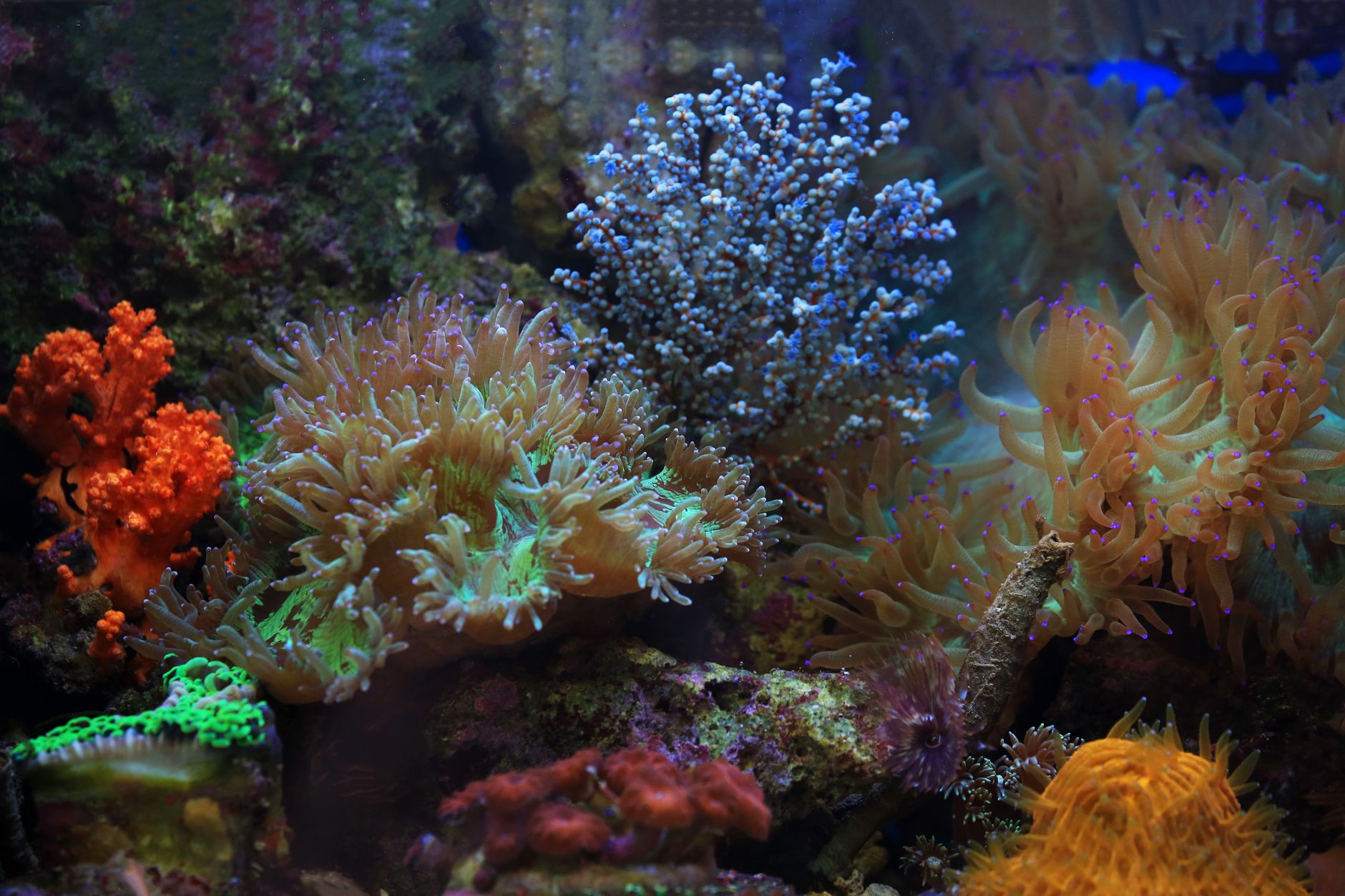
Photo by Jeffry Surianto (via Pexels)