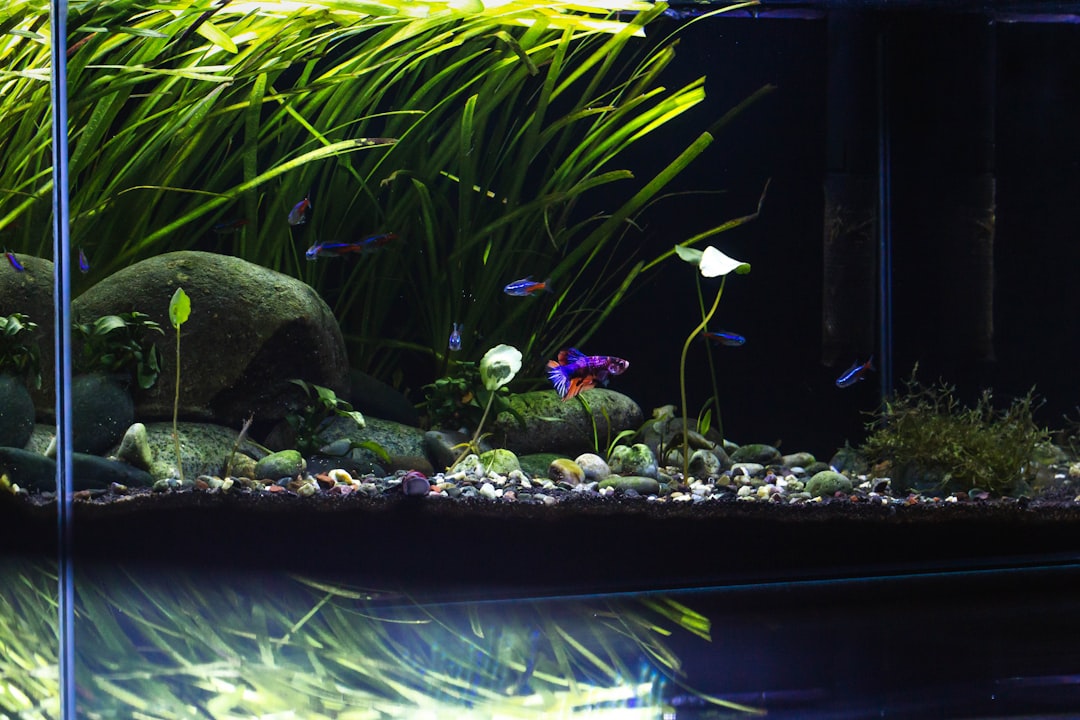
High-Tech Planted Aquariums: The Complete Equipment & Substrate Guide
High-Tech Planted Aquariums: The Complete Equipment & Substrate Guide
Setting up a high-tech planted aquarium requires careful planning and attention to detail, as it involves creating a thriving ecosystem that balances the needs of both plants and fish. The main keyword, high-tech planted aquariums, refers to the use of advanced equipment and techniques to create a stable and healthy environment. Related keywords include planted aquarium equipment, aquarium substrate, and aquascaping. In this article, we will explore the essential equipment and substrate needed to create a stunning and thriving high-tech planted aquarium.
Choosing the Right Equipment
The first step in setting up a high-tech planted aquarium is to choose the right equipment. This includes a high-quality aquarium tank, a reliable filtration system, and a state-of-the-art lighting system. The tank should be made of durable material, such as glass or acrylic, and should be large enough to provide a stable environment for the plants and fish. The filtration system should be capable of removing waste and excess nutrients from the water, while the lighting system should provide the necessary spectrum and intensity for plant growth.
Substrate Selection and Preparation
The substrate is a critical component of a high-tech planted aquarium, as it provides the necessary nutrients and support for plant growth. There are several types of substrate available, including clay-based substrates, sand-based substrates, and soil-based substrates. Each type of substrate has its own advantages and disadvantages, and the choice of substrate will depend on the specific needs of the plants and fish. For example, clay-based substrates are ideal for plants that require high levels of nutrients, while sand-based substrates are better suited for plants that prefer well-draining soil.
Preparing the Substrate
Once the substrate has been selected, it must be prepared for use in the aquarium. This involves rinsing the substrate to remove any impurities or debris, and then adding nutrients to support plant growth. The substrate should be rinsed thoroughly to prevent any clouding of the water, and the nutrients should be added according to the manufacturer’s instructions. It is also important to test the substrate for any potential issues, such as high levels of ammonia or nitrite.
Equipment Installation and Setup
With the substrate prepared, the next step is to install and set up the equipment. This includes installing the filtration system, setting up the lighting system, and adding any other equipment, such as heaters or CO2 injectors. The filtration system should be installed according to the manufacturer’s instructions, and the lighting system should be set up to provide the necessary spectrum and intensity for plant growth. Any other equipment should be added and set up according to the manufacturer’s instructions.
Adding Plants and Fish
Once the equipment has been installed and set up, the next step is to add plants and fish to the aquarium. This involves selecting the right plants for the aquarium, and then planting them in the substrate. The plants should be selected based on their compatibility with the aquarium’s conditions, such as water temperature and lighting. The plants should be planted in the substrate, and then trimming and pruning should be done regularly to maintain their health and appearance. Fish can then be added to the aquarium, and should be selected based on their compatibility with the plants and the aquarium’s conditions.
Maintenance and Upkeep
Maintenance and upkeep are critical components of a high-tech planted aquarium, as they help to maintain the health and stability of the ecosystem. This involves regular water changes, monitoring of water parameters, and pruning and trimming of plants. Regular water changes help to remove waste and excess nutrients from the water, while monitoring of water parameters helps to identify any potential issues. Pruning and trimming of plants helps to maintain their health and appearance, and should be done regularly to prevent overgrowth.
Troubleshooting Common Issues
Despite proper maintenance and upkeep, issues can still arise in a high-tech planted aquarium. This includes algae blooms, plant decline, and fish disease. Algae blooms can be caused by excess nutrients in the water, and can be treated by reducing the amount of nutrients available. Plant decline can be caused by a variety of factors, including lack of light or nutrients, and can be treated by adjusting the lighting or fertilization schedule. Fish disease can be caused by a variety of factors, including poor water quality or stress, and can be treated by improving water quality or reducing stress.
The One Last Thing
Setting up a high-tech planted aquarium requires careful planning, attention to detail, and a commitment to maintenance and upkeep. By choosing the right equipment and substrate, installing and setting up the equipment, adding plants and fish, and maintaining and troubleshooting the aquarium, you can create a stunning and thriving ecosystem that will provide hours of enjoyment and fascination. Remember to stay up to date with the latest developments and techniques in the hobby, and don’t be afraid to ask for advice or guidance from more experienced aquarists. With patience, dedication, and the right knowledge, you can create a truly exceptional high-tech planted aquarium that will be the envy of all who see it.
📷 Photos: Christian Ang (Unsplash), Huy Phan (Unsplash)