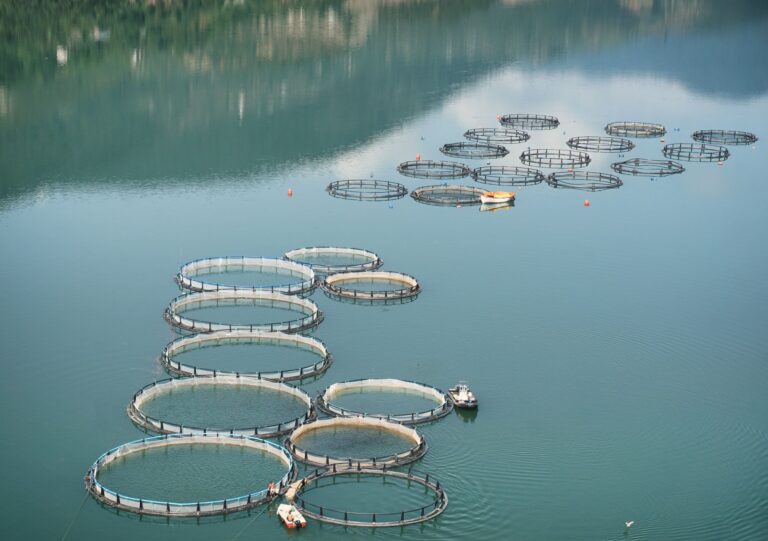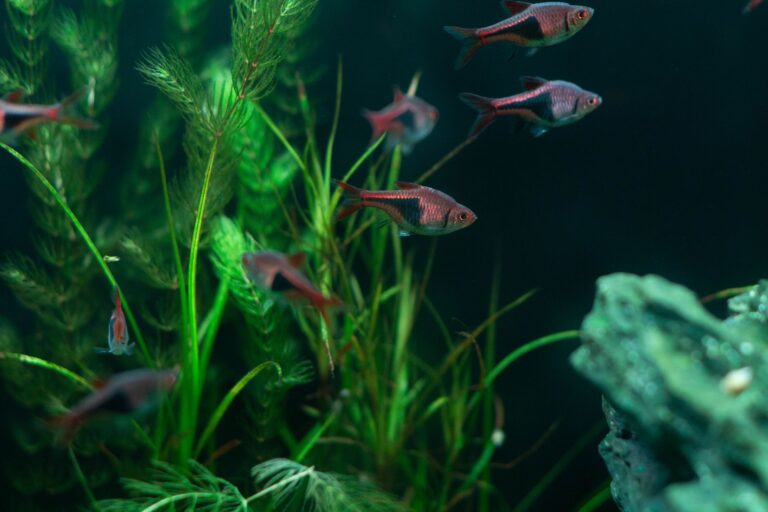

Key takeaways from the global aquaculture sustainability conventions recently hosted within major manufacturing sectors of your professional
Global Aquaculture Sustainability Conventions: Key Takeaways and Industry Insights
The recent global aquaculture sustainability conventions have brought together industry leaders, researchers, and policymakers to discuss the latest developments and challenges in the field. These conventions have provided a platform for knowledge sharing, collaboration, and innovation, and have shed light on the current state of aquaculture sustainability. In this article, we will delve into the key takeaways from these conventions and explore the implications for the industry.
Historical Context and Background
Aquaculture has been practiced for thousands of years, with evidence of fish and shellfish farming dating back to ancient civilizations in Egypt, China, and Rome. However, it wasn’t until the mid-20th century that aquaculture began to emerge as a significant contributor to global food production. Today, aquaculture accounts for over 50% of the world’s seafood production, with the industry projected to continue growing to meet the increasing demand for protein.
Despite its growth and importance, the aquaculture industry has faced numerous challenges and criticisms, including concerns over environmental impact, animal welfare, and social responsibility. In response to these concerns, the industry has been working to develop more sustainable and responsible practices, including the adoption of recirculating aquaculture systems (RAS), integrated multi-trophic aquaculture (IMTA), and other innovative technologies.
Convention Highlights and Key Takeaways
The recent global aquaculture sustainability conventions have highlighted several key areas of focus for the industry, including:
- Sustainability and environmental impact: The conventions emphasized the need for the industry to prioritize sustainability and reduce its environmental footprint. This includes reducing waste, conserving water, and promoting eco-friendly practices.
- Animal welfare: The conventions also highlighted the importance of animal welfare in aquaculture, including the need for better handling and husbandry practices, and the development of more humane and efficient slaughter methods.
- Social responsibility: The industry was encouraged to prioritize social responsibility, including ensuring fair labor practices, supporting local communities, and promoting diversity and inclusion.
- Innovation and technology: The conventions showcased the latest innovations and technologies in aquaculture, including RAS, IMTA, and other cutting-edge systems.
Some of the key takeaways from the conventions include:
- The need for a more integrated and holistic approach to aquaculture, taking into account the complex interactions between the industry, the environment, and society.
- The importance of collaboration and knowledge sharing between industry stakeholders, researchers, and policymakers.
- The potential for aquaculture to contribute to global food security and sustainable development, while also promoting environmental stewardship and social responsibility.
Deep Dive: Recirculating Aquaculture Systems (RAS)
RAS is a type of aquaculture system that involves the recirculation of water between tanks, allowing for the continuous production of fish and other aquatic species. RAS has been touted as a more sustainable and efficient alternative to traditional aquaculture practices, offering several benefits, including:
- Water conservation: RAS can conserve up to 99% of water, reducing the industry’s water footprint and minimizing the risk of water pollution.
- Waste reduction: RAS can reduce waste by up to 90%, minimizing the amount of nutrients and organic matter released into the environment.
- Improved biosecurity: RAS can provide a more controlled environment, reducing the risk of disease outbreaks and improving animal health.
However, RAS also presents several challenges, including high capital and operating costs, energy intensity, and the need for advanced water treatment technologies. To overcome these challenges, the industry is investing in research and development, exploring new technologies and innovations, and promoting best practices and standards.
Case Study: Integrated Multi-Trophic Aquaculture (IMTA)
IMTA is a type of aquaculture system that involves the integration of multiple species, including fish, shellfish, and algae, into a single system. IMTA has been shown to offer several benefits, including:
- Improved water quality: IMTA can improve water quality by removing excess nutrients and organic matter.
- Increased biodiversity: IMTA can promote biodiversity by providing a habitat for a range of species.
- Enhanced ecosystem services: IMTA can provide ecosystem services, including shoreline stabilization and habitat creation.
A recent case study in Canada demonstrated the potential of IMTA to promote sustainability and reduce environmental impact. The study involved the integration of salmon, mussels, and kelp into a single system, and found that IMTA can reduce the industry’s carbon footprint by up to 50%, while also improving water quality and promoting biodiversity.
Technical Guidelines and Best Practices
To promote sustainability and responsible practices in aquaculture, the industry has developed several technical guidelines and best practices, including:
- The Aquaculture Stewardship Council (ASC) certification standard, which provides a framework for responsible aquaculture practices.
- The Best Aquaculture Practices (BAP) standard, which provides a set of guidelines for responsible aquaculture practices.
- The Global Aquaculture Alliance (GAA) guidelines, which provide a framework for responsible aquaculture practices and promote industry-wide adoption of best practices.
These guidelines and standards provide a framework for the industry to prioritize sustainability, animal welfare, and social responsibility, and to promote continuous improvement and innovation.
Optimization and Improvement Strategies
To optimize and improve aquaculture practices, the industry is exploring several strategies, including:
- Genetic improvement: The industry is investing in genetic research and development to improve the performance and sustainability of aquatic species.
- Nutrition and feed optimization: The industry is exploring new feed technologies and nutrition strategies to reduce waste and promote sustainable feed practices.
- Water treatment and management: The industry is investing in advanced water treatment technologies and management strategies to reduce waste and promote water conservation.
These strategies offer several benefits, including improved efficiency, reduced environmental impact, and enhanced animal health and welfare.
Industry Insights and Practical Applications
The recent global aquaculture sustainability conventions have provided several industry insights and practical applications, including:
- The importance of data-driven decision making: The industry is recognizing the importance of data-driven decision making, and is investing in new technologies and analytics tools to promote data-driven management.
- The need for collaboration and knowledge sharing: The industry is emphasizing the need for collaboration and knowledge sharing between stakeholders, including researchers, policymakers, and industry leaders.
- The potential for innovation and technology: The industry is recognizing the potential for innovation and technology to drive sustainability and improvement, and is investing in research and development to explore new solutions and opportunities.
These insights and applications offer several benefits, including improved efficiency, reduced environmental impact, and enhanced animal health and welfare.
Granular Checklist for Industry Stakeholders
To promote sustainability and responsible practices in aquaculture, industry stakeholders should consider the following granular checklist:
- Conduct regular environmental impact assessments to identify areas for improvement.
- Develop and implement a comprehensive sustainability plan, including goals and targets for reduction of waste and promotion of eco-friendly practices.
- Invest in new technologies and innovations, including RAS and IMTA, to promote efficiency and reduce environmental impact.
- Prioritize animal welfare, including the development of better handling and husbandry practices, and the promotion of humane and efficient slaughter methods.
- Collaborate with stakeholders, including researchers, policymakers, and industry leaders, to promote knowledge sharing and innovation.
By following this checklist, industry stakeholders can promote sustainability, reduce environmental impact, and enhance animal health and welfare.
To minimize the risk of disease outbreaks in RAS, farmers should ensure that their systems are designed and operated with biosecurity in mind, including the use of multiple barriers to prevent the introduction of pathogens, and the implementation of regular monitoring and surveillance protocols to detect and respond to disease outbreaks quickly and effectively. Regular water quality monitoring and maintenance are also crucial to prevent the buildup of nutrients and organic matter that can contribute to disease outbreaks.
Photo by Bastian Riccardi (via Pexels)