Maintaining precise chemical parameter stability within industrial-scale closed loop marine displays
## Maintaining Chemical Parameter Stability in Industrial-Scale Marine Displays
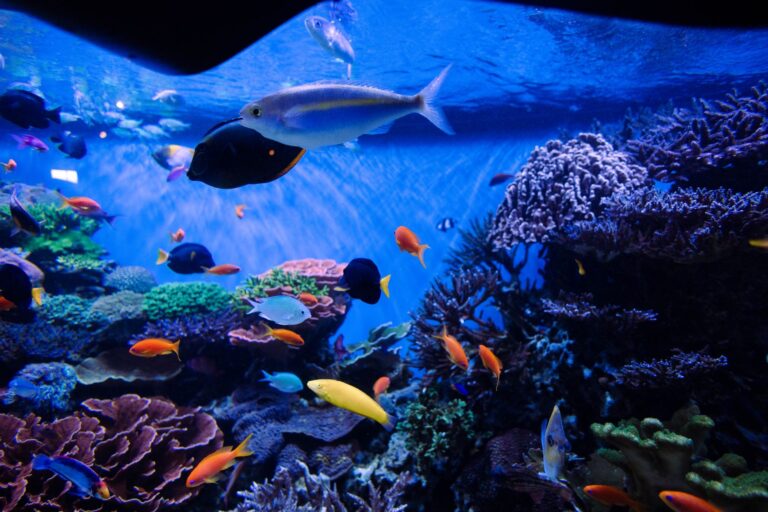
The art of maintaining precise chemical parameter stability within industrial-scale closed loop marine displays is a complex and delicate task. It requires a deep understanding of marine reef biology, as well as the technical expertise to design and operate a system that can support the diverse range of marine life found in these displays. In this article, we will delve into the world of marine reef biology and explore the key factors that contribute to maintaining chemical parameter stability in industrial-scale marine displays.
## Introduction to Marine Reef Biology
Marine reef biology is a fascinating field of study that encompasses the diverse range of plants and animals that inhabit coral reefs. Coral reefs are some of the most biodiverse ecosystems on the planet, with thousands of different species of fish, invertebrates, and algae calling them home. However, coral reefs are also incredibly fragile and can be easily damaged by changes in water chemistry, temperature, and other environmental factors.
## The Importance of Chemical Parameter Stability
Chemical parameter stability is critical in industrial-scale marine displays because even small changes in water chemistry can have a significant impact on the health and well-being of the marine life. Parameters such as pH, ammonia, nitrite, and nitrate must be carefully monitored and controlled to ensure that they remain within a safe and healthy range for the marine life. This requires a sophisticated system of water treatment and management, as well as a deep understanding of the complex interactions between the different chemical parameters.
## Key Factors in Maintaining Chemical Parameter Stability
There are several key factors that contribute to maintaining chemical parameter stability in industrial-scale marine displays. These include:
*
- Water treatment and management: This includes the use of filters, protein skimmers, and other equipment to remove waste products and excess nutrients from the water.
- Water circulation and flow: This includes the design of the display to ensure that water is circulated and flowed in a way that promotes healthy water chemistry and prevents the buildup of waste products.
- Biological filtration: This includes the use of biological filters, such as live rock and sand, to remove excess nutrients and waste products from the water.
- Chemical monitoring and control: This includes the use of sophisticated monitoring equipment to track changes in water chemistry and make adjustments as needed to maintain a stable and healthy environment.
## Designing a Closed Loop System
A closed loop system is a type of water management system that recirculates water within the display, rather than constantly adding new water. This type of system is ideal for industrial-scale marine displays because it allows for precise control over water chemistry and reduces the risk of introducing new diseases or pests into the system. When designing a closed loop system, there are several key factors to consider, including:
*
- The size and capacity of the system: This will depend on the size of the display and the number of marine animals it will support.
- The type and quality of the equipment: This includes the pumps, filters, and other equipment used to circulate and treat the water.
- The design of the biological filtration system: This includes the type and amount of live rock and sand used, as well as the design of the filter itself.
- The monitoring and control systems: This includes the equipment used to track changes in water chemistry and make adjustments as needed.
## Biological Filtration in Closed Loop Systems
Biological filtration is a critical component of any closed loop system, as it provides a natural and effective way to remove excess nutrients and waste products from the water. In a closed loop system, biological filtration typically involves the use of live rock and sand, which provide a habitat for beneficial bacteria and other microorganisms to grow and thrive. These microorganisms play a crucial role in breaking down waste products and excess nutrients, helping to maintain a stable and healthy environment.
## Chemical Monitoring and Control in Closed Loop Systems
Chemical monitoring and control are critical components of any closed loop system, as they provide a way to track changes in water chemistry and make adjustments as needed. This typically involves the use of sophisticated monitoring equipment, such as pH probes and nutrient sensors, to track changes in water chemistry. The data from these monitors can then be used to make adjustments to the system, such as adding chemicals or adjusting the flow rate, to maintain a stable and healthy environment.
## Common Challenges in Maintaining Chemical Parameter Stability
Despite the importance of maintaining chemical parameter stability, there are several common challenges that can arise in industrial-scale marine displays. These include:
*
- Equipment failure: This can include the failure of pumps, filters, or other equipment, which can have a significant impact on water chemistry and the health of the marine life.
- Poor water circulation and flow: This can lead to the buildup of waste products and excess nutrients, which can have a negative impact on water chemistry and the health of the marine life.
- Inadequate biological filtration: This can lead to an accumulation of excess nutrients and waste products, which can have a negative impact on water chemistry and the health of the marine life.
- Inadequate chemical monitoring and control: This can make it difficult to track changes in water chemistry and make adjustments as needed, which can have a negative impact on the health of the marine life.
## Best Practices for Maintaining Chemical Parameter Stability
To maintain chemical parameter stability in industrial-scale marine displays, there are several best practices that can be followed. These include:
*
- Regularly monitoring water chemistry: This includes tracking changes in pH, ammonia, nitrite, and nitrate, as well as other key parameters.
- Maintaining proper water circulation and flow: This includes ensuring that water is circulated and flowed in a way that promotes healthy water chemistry and prevents the buildup of waste products.
- Providing adequate biological filtration: This includes ensuring that the biological filter is properly sized and maintained, and that it is providing adequate filtration for the marine life.
- Implementing a regular maintenance schedule: This includes regularly cleaning and maintaining equipment, as well as performing routine water changes and monitoring water chemistry.
## Advanced Techniques for Maintaining Chemical Parameter Stability
In addition to the best practices outlined above, there are several advanced techniques that can be used to maintain chemical parameter stability in industrial-scale marine displays. These include:
*
- The use of advanced monitoring equipment: This includes the use of sophisticated sensors and monitoring systems to track changes in water chemistry.
- The use of automated control systems: This includes the use of computer-controlled systems to make adjustments to the system as needed.
- The use of alternative filtration methods: This includes the use of methods such as ozone filtration and ultraviolet (UV) sterilization to provide additional filtration and disinfection.
- The use of natural methods of water treatment: This includes the use of natural methods such as algae scrubbers and bio-reactors to provide additional filtration and water treatment.
## Warning: Inadequate Maintenance Can Have Serious Consequences
Inadequate maintenance of industrial-scale marine displays can have serious consequences, including the loss of marine life, equipment failure, and even the collapse of the entire system. To avoid these consequences, it is essential to follow best practices and implement a regular maintenance schedule. This includes regularly monitoring water chemistry, maintaining proper water circulation and flow, providing adequate biological filtration, and implementing a regular maintenance schedule. Additionally, it is essential to be aware of common challenges and to have a plan in place to address them. By following these guidelines and staying vigilant, it is possible to maintain a healthy and thriving industrial-scale marine display.
Check the system’s water circulation and flow rates daily to ensure they are within the recommended range.
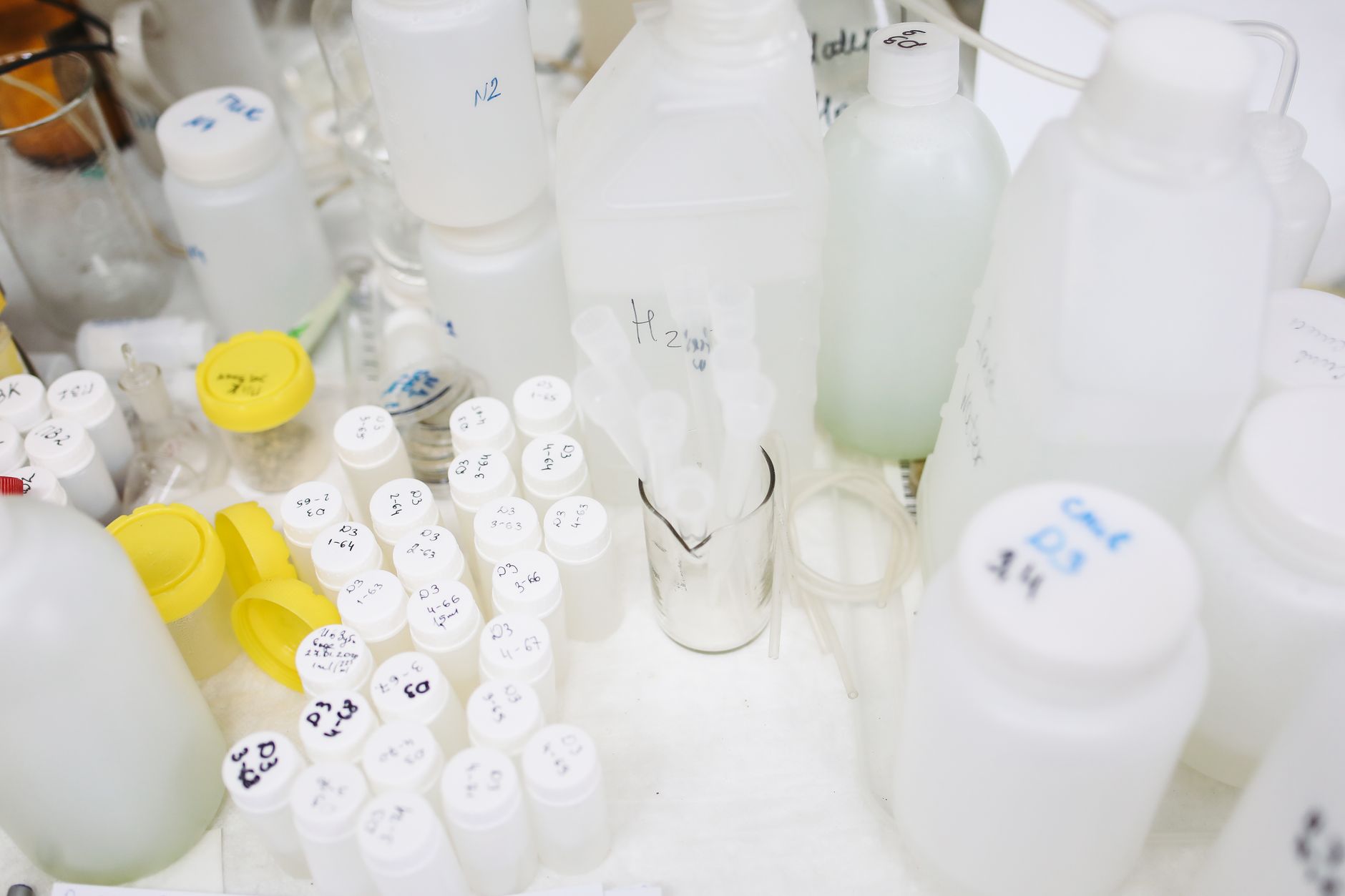
Photo by Polina Tankilevitch (via Pexels)