Aquarium Lighting for Coral Growth
Aquarium Lighting for Coral Growth: The Latest Trends
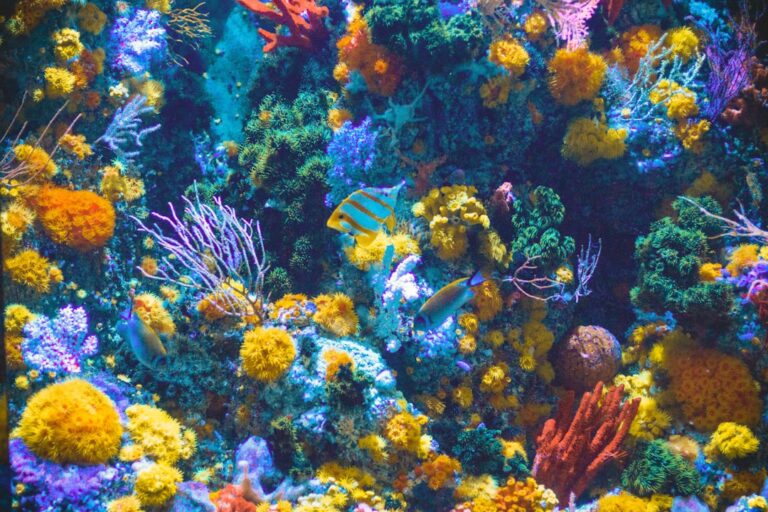
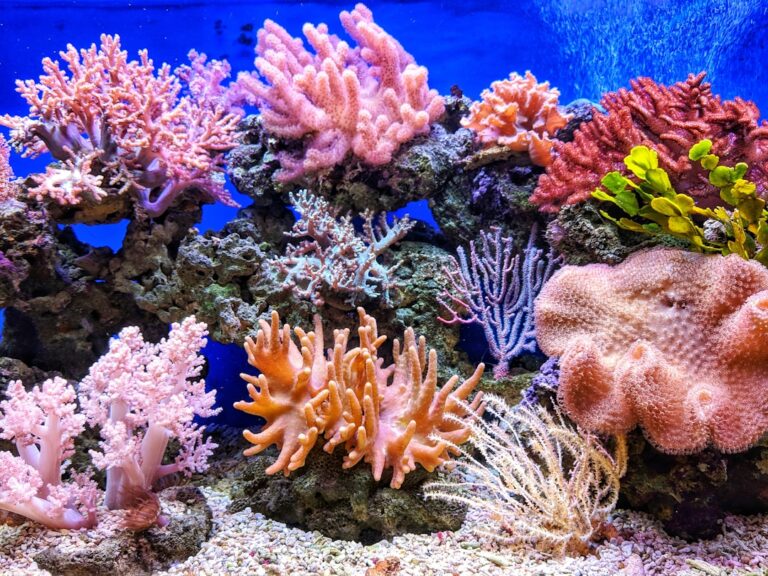
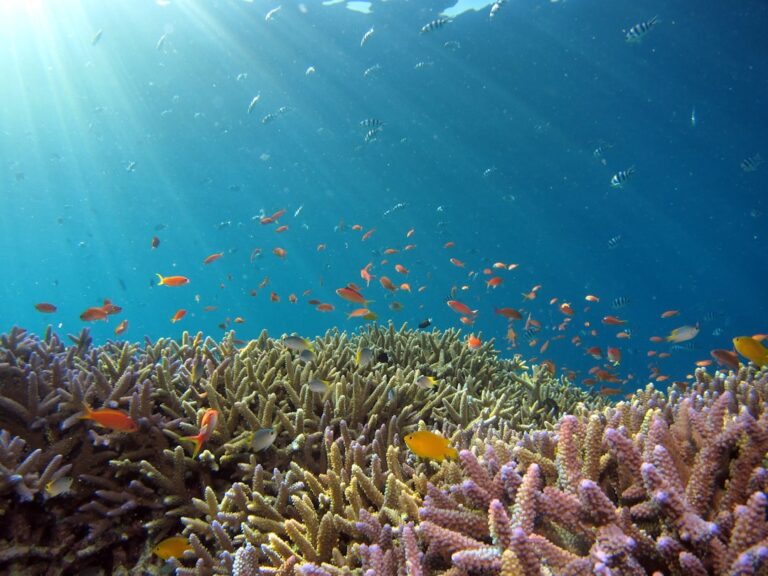
When it comes to creating a thriving coral reef aquarium, one of the most critical factors is lighting. Corals, being photosynthetic organisms, require specific lighting conditions to grow and flourish. In recent years, there have been significant advancements in aquarium lighting technology, and in this article, we’ll delve into the latest developments and trends in aquarium lighting for coral growth.
The traditional approach to aquarium lighting involved using high-intensity discharge (HID) lamps, such as metal halides and T5s. While these lighting systems were effective, they had some drawbacks, including high energy consumption, heat generation, and a limited spectrum. However, with the advent of LED lighting, the game has changed. LED lights are now the preferred choice for many aquarists, and for good reason. They offer a range of benefits, including energy efficiency, low heat output, and a customizable spectrum.
LED Lighting: The Future of Aquarium Lighting
LED lights have revolutionized the aquarium industry, and their popularity continues to grow. One of the key advantages of LED lights is their ability to be programmed to simulate natural daylight cycles, which is essential for coral growth. By mimicking the natural light cycle, LED lights can help regulate the circadian rhythms of corals, promoting healthy growth and development. Additionally, LED lights can be tailored to specific coral species, providing the optimal spectrum and intensity for their needs.
Another significant benefit of LED lights is their energy efficiency. They consume significantly less power than traditional HID lamps, which not only reduces energy costs but also minimizes the carbon footprint of the aquarium. Furthermore, LED lights produce very little heat, which reduces the risk of overheating and associated problems, such as coral bleaching.
Smart Lighting: The Next Generation of Aquarium Lighting
As technology continues to advance, we’re seeing the emergence of smart lighting systems that can be controlled and monitored remotely. These systems allow aquarists to adjust lighting parameters, such as intensity, spectrum, and duration, with ease. Smart lighting systems can also be integrated with other aquarium equipment, such as pumps and skimmers, to create a fully automated and optimized aquarium environment.
Some of the latest smart lighting systems also come equipped with advanced features, such as wireless connectivity, mobile apps, and data analytics. These features enable aquarists to monitor and adjust their lighting system in real-time, ensuring that their corals receive the optimal lighting conditions for growth and health.
Top Tips for Choosing the Right Aquarium Lighting
With so many options available, choosing the right aquarium lighting system can be overwhelming. Here are some top tips to consider when selecting a lighting system for your coral reef aquarium:
- Research different lighting options and their pros and cons
- Consider the specific needs of your coral species
- Look for energy-efficient and low-heat lighting systems
- Choose a system that is customizable and programmable
- Read reviews and ask for recommendations from experienced aquarists
By following these tips, you can ensure that you choose a lighting system that meets the needs of your corals and helps create a thriving and healthy aquarium environment.
Conclusion
In conclusion, aquarium lighting for coral growth has come a long way in recent years. With the advent of LED lighting and smart lighting systems, aquarists now have more options than ever before to create the optimal lighting conditions for their corals. By choosing the right lighting system and considering the specific needs of their coral species, aquarists can promote healthy growth, vibrant colors, and a thriving aquarium environment.
If you’re looking to upgrade your aquarium lighting system or are just starting out, we encourage you to explore the latest options and technologies available. Join our community of aquarists and stay up-to-date with the latest trends and developments in the aquarium industry.
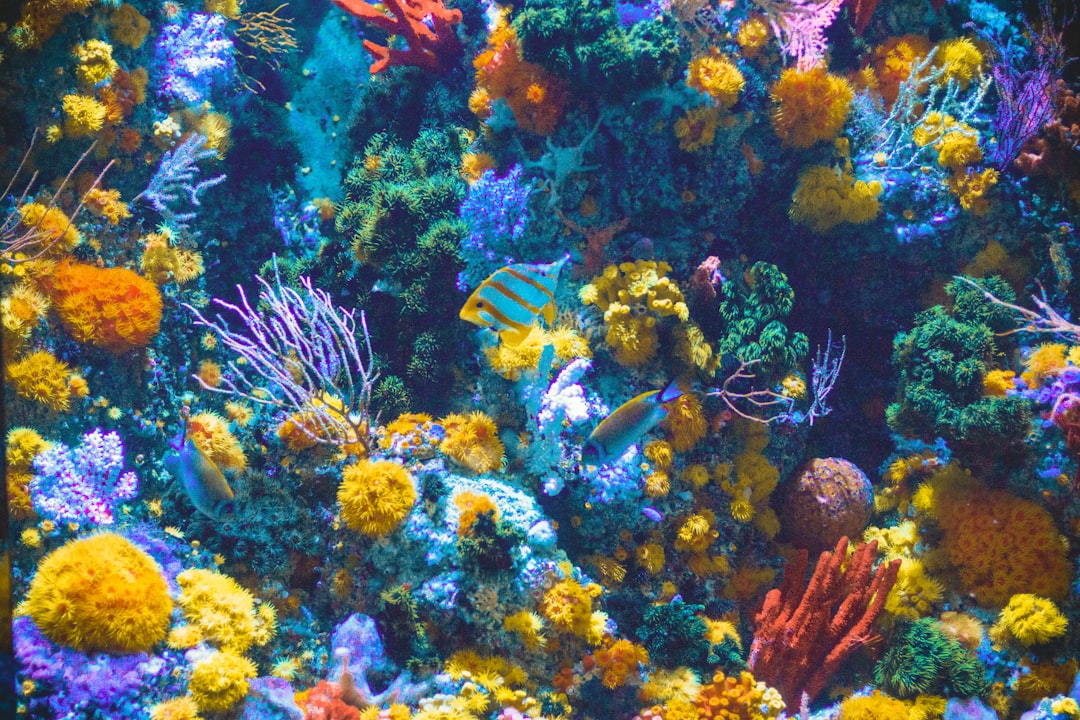
Photo by Shaun Low on Unsplash