Setting Up a Saltwater Reef Tank
Introduction to Saltwater Reef Tanks
Saltwater reef tanks have long been a staple of the aquarium hobby, offering a unique and rewarding way to keep marine life. However, setting up a saltwater reef tank can be a daunting task, especially for beginners. With the latest developments in aquarium technology and our ever-growing understanding of marine ecosystems, it’s easier than ever to create a thriving saltwater reef tank. In this article, we’ll explore the latest trends and best practices for setting up a stunning saltwater reef tank.
Choosing the Right Equipment
When it comes to setting up a saltwater reef tank, the right equipment is essential. This includes a high-quality aquarium tank, a reliable protein skimmer, a heater, and a lighting system. With the advancement of LED lighting technology, it’s now possible to create a realistic and vibrant reef environment. Look for LED lights that are specifically designed for saltwater reef tanks, as they will provide the necessary spectrum and intensity for coral growth and coloration.
In addition to the equipment, it’s also important to consider the tank’s size and shape. A larger tank will provide a more stable environment and give you more flexibility when it comes to stocking and aquascaping. A minimum tank size of 55 gallons is recommended for a saltwater reef tank, but larger tanks are always better.
Creating a Natural Environment
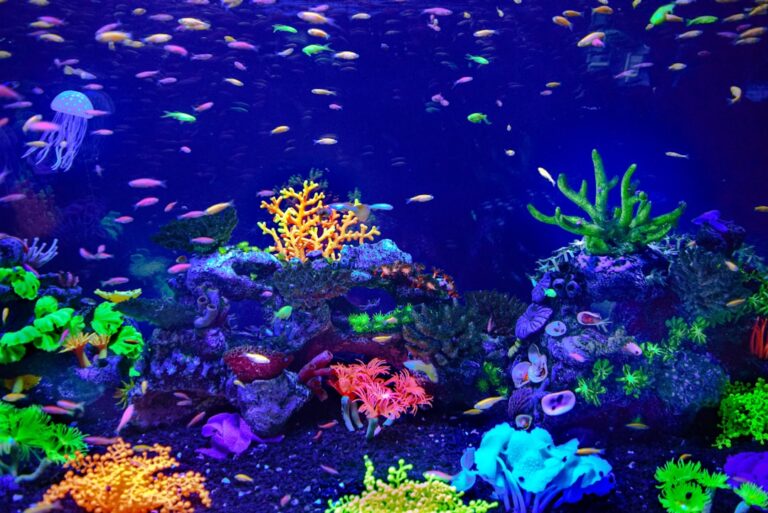
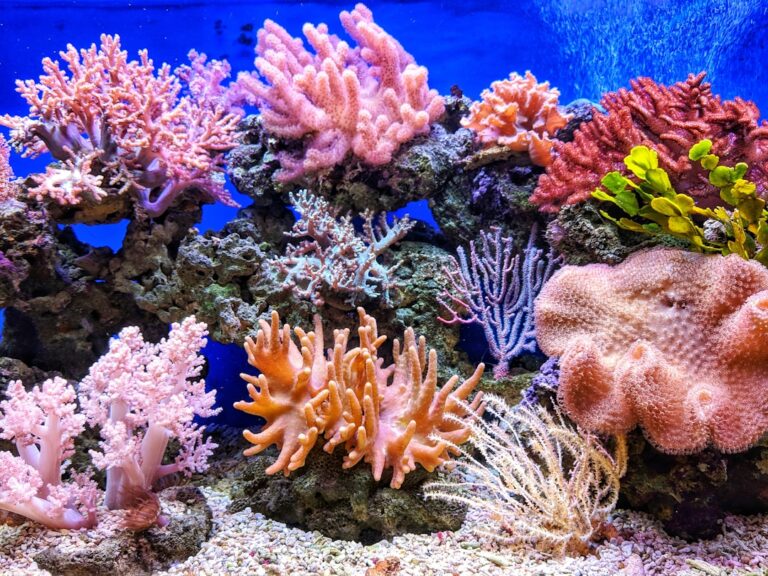
One of the key elements of a successful saltwater reef tank is creating a natural environment. This includes adding live rock, sand, and other decorations that mimic the natural reef ecosystem. Live rock is essential for providing a habitat for beneficial bacteria and other microorganisms that help to break down waste and maintain water quality. When choosing live rock, look for pieces that have a high surface area and are free of pests and diseases.
Another important aspect of creating a natural environment is maintaining proper water parameters. This includes monitoring pH, ammonia, nitrite, and nitrate levels, as well as maintaining a stable temperature and salinity. Regular water changes and proper filtration are also crucial for maintaining a healthy and thriving reef tank.
Stocking Your Tank
Once your tank is set up and cycling, it’s time to start stocking it with fish and other marine life. When it comes to stocking a saltwater reef tank, it’s essential to choose species that are compatible and won’t harass or compete with each other. Some popular species for saltwater reef tanks include clownfish, angelfish, and butterflyfish.
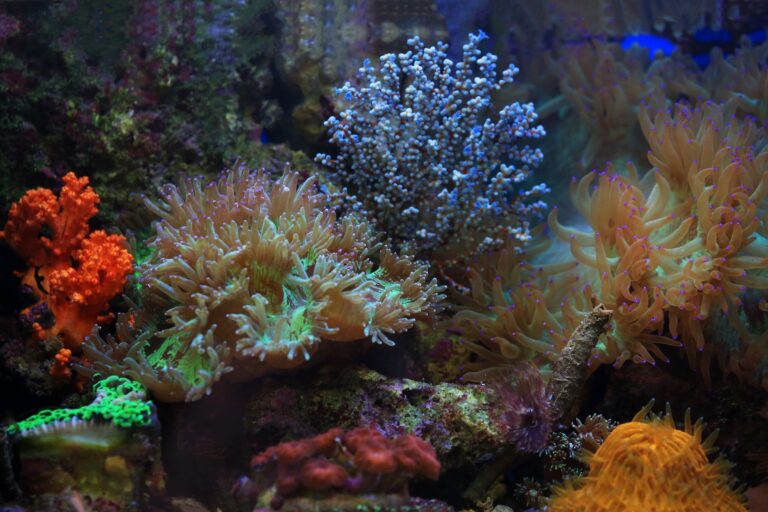
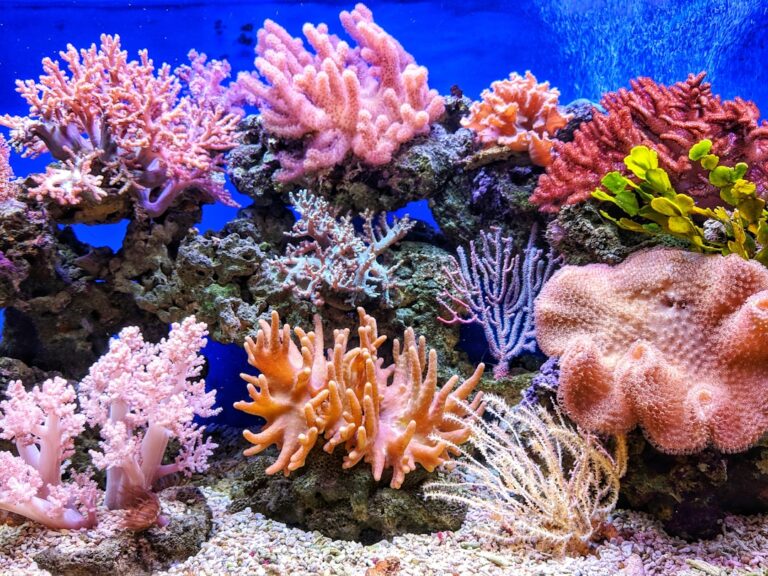
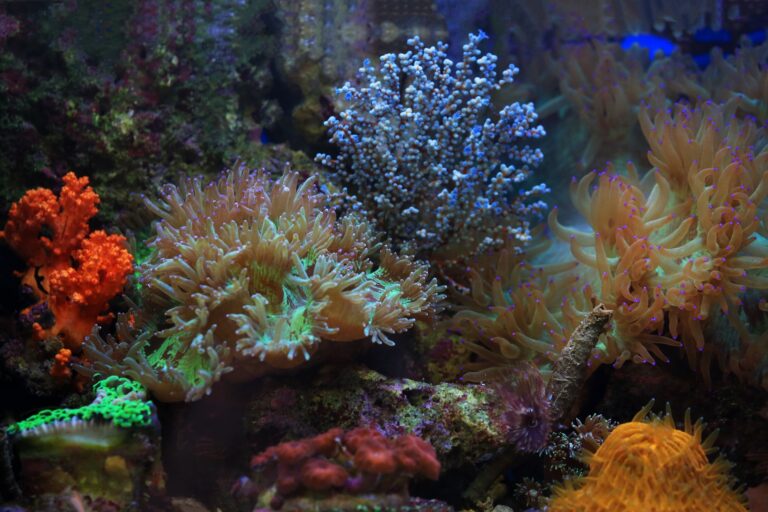
In addition to fish, you’ll also want to consider adding corals and other invertebrates to your tank. Corals are the backbone of any reef ecosystem, and they come in a wide range of shapes, sizes, and colors. When choosing corals, look for species that are easy to care for and will thrive in your tank’s conditions.
- Research the specific needs of each species
- Choose species that are compatible with each other
- Introduce new species slowly and under close observation
- Quarantine new species before adding them to the main tank
Maintenance and Upkeep
Maintenance and upkeep are crucial for the long-term success of your saltwater reef tank. This includes regular water changes, monitoring of water parameters, and cleaning of the tank and equipment. It’s also important to stay on top of pest control and to be prepared for any potential problems that may arise.
With the latest advancements in aquarium technology, it’s easier than ever to maintain a healthy and thriving saltwater reef tank. Automated systems and monitoring equipment can help to take some of the guesswork out of tank maintenance, and online communities and forums can provide valuable resources and support.
If you’re thinking of setting up a saltwater reef tank, don’t be intimidated. With the right equipment, knowledge, and dedication, you can create a stunning and thriving reef ecosystem. Remember to do your research, choose the right species, and stay on top of maintenance and upkeep. Happy reefing!
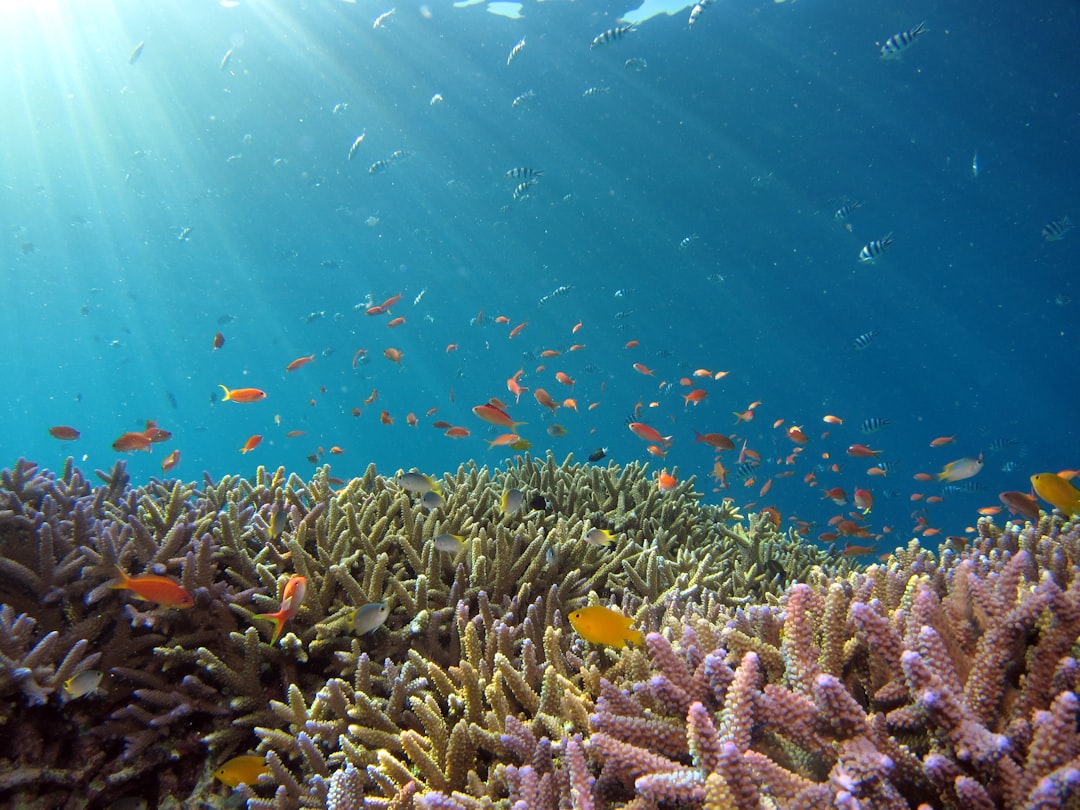
Photo by Hiroko Yoshii on Unsplash