Maintaining Chemical Parameter Stability in Industrial-Scale Marine Displays
Introduction to Industrial-Scale Closed Loop Marine Displays
Industrial-scale closed loop marine displays are complex systems that require precise chemical parameter stability to maintain the health and well-being of the marine life within. These systems are typically used in large public aquariums, research facilities, and other institutions where the study and display of marine life are paramount. The maintenance of precise chemical parameter stability is crucial in these systems, as even small fluctuations can have significant impacts on the health and survival of the marine life.
The importance of maintaining precise chemical parameter stability in industrial-scale closed loop marine displays cannot be overstated. Chemical parameters such as pH, ammonia, nitrite, and nitrate must be closely monitored and controlled to ensure the health and well-being of the marine life. This requires a deep understanding of the complex interactions between the various components of the system, including the biological, chemical, and physical processes that occur within the system.
Understanding the Chemical Parameters
There are several key chemical parameters that must be closely monitored and controlled in industrial-scale closed loop marine displays. These include:
- pH: The pH of the water is a critical parameter that must be closely monitored and controlled. Most marine species are adapted to a narrow pH range, and significant fluctuations can be stressful and even fatal.
- Ammonia: Ammonia is a toxic compound that is produced by the decomposition of organic matter. It must be closely monitored and controlled, as high levels can be fatal to marine life.
- Nitrite: Nitrite is another toxic compound that is produced by the decomposition of organic matter. It must be closely monitored and controlled, as high levels can be fatal to marine life.
- Nitrate: Nitrate is a nutrient that is essential for the growth and survival of marine life. However, high levels can contribute to the growth of algae and other nuisance organisms.
These chemical parameters are interconnected and can have significant impacts on each other. For example, changes in pH can affect the toxicity of ammonia and nitrite, while changes in nitrate levels can affect the growth of algae and other nuisance organisms.
Methods for Maintaining Precise Chemical Parameter Stability
There are several methods that can be used to maintain precise chemical parameter stability in industrial-scale closed loop marine displays. These include:
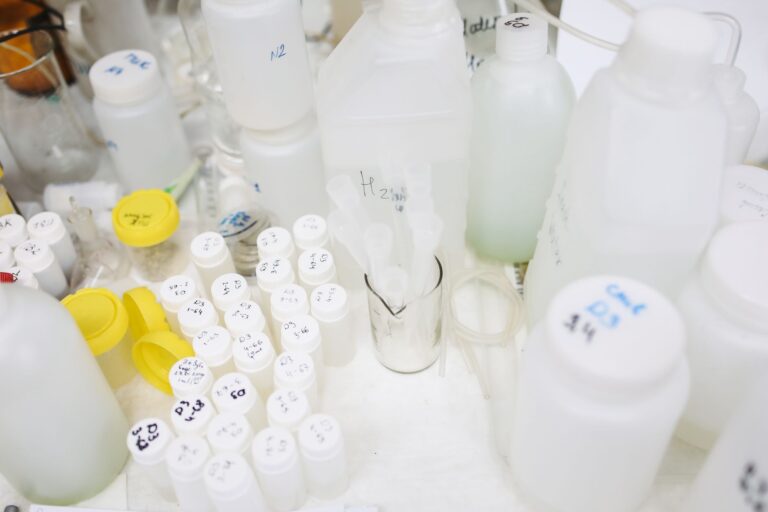
- Regular water testing: Regular water testing is critical for monitoring the chemical parameters of the system and making adjustments as necessary.
- Automated control systems: Automated control systems can be used to monitor and control the chemical parameters of the system, making adjustments as necessary to maintain stability.
- Biological filtration: Biological filtration is a critical component of industrial-scale closed loop marine displays, as it provides a means of removing ammonia and nitrite from the system.
- Chemical filtration: Chemical filtration can be used to remove excess nutrients and other compounds from the system, helping to maintain stability.
These methods must be used in conjunction with each other to maintain precise chemical parameter stability in industrial-scale closed loop marine displays. Regular water testing provides the data necessary to make adjustments to the system, while automated control systems and biological and chemical filtration provide the means of making those adjustments.
Case Study: The Georgia Aquarium
The Georgia Aquarium is a large public aquarium located in Atlanta, Georgia. The aquarium features a variety of marine life, including whale sharks, dolphins, and sea otters. The aquarium’s water quality is maintained through a combination of regular water testing, automated control systems, and biological and chemical filtration.
The aquarium’s water testing program includes daily testing of pH, ammonia, nitrite, and nitrate, as well as weekly testing of other parameters such as alkalinity and calcium. The results of these tests are used to make adjustments to the system, including the addition of chemicals to maintain stability.
The aquarium’s automated control system is designed to maintain precise chemical parameter stability, making adjustments as necessary to the system. The system includes sensors that monitor the chemical parameters of the water and make adjustments to the system in real-time.
The aquarium’s biological filtration system is designed to remove ammonia and nitrite from the system, while the chemical filtration system is designed to remove excess nutrients and other compounds. The combination of these systems provides a high level of water quality, maintaining precise chemical parameter stability and supporting the health and well-being of the marine life.
Optimization Tips for Maintaining Precise Chemical Parameter Stability
There are several optimization tips that can be used to maintain precise chemical parameter stability in industrial-scale closed loop marine displays. These include:
- Regular maintenance of equipment: Regular maintenance of equipment is critical for maintaining precise chemical parameter stability. This includes regular cleaning and replacement of filters, as well as maintenance of pumps and other equipment.
- Monitoring of system performance: Monitoring of system performance is critical for maintaining precise chemical parameter stability. This includes regular monitoring of water quality parameters, as well as monitoring of system components such as pumps and filters.
- Adjustments to system design: Adjustments to system design can be necessary to maintain precise chemical parameter stability. This may include changes to the biological or chemical filtration systems, or adjustments to the automated control system.
These optimization tips can be used to maintain precise chemical parameter stability in industrial-scale closed loop marine displays, supporting the health and well-being of the marine life and providing a high level of water quality.
Technical Warning: Avoiding Over-Reliance on Automated Control Systems
While automated control systems can be a valuable tool for maintaining precise chemical parameter stability in industrial-scale closed loop marine displays, it is critical to avoid over-reliance on these systems. Automated control systems can fail, and when they do, the consequences can be severe.
It is critical to have a backup plan in place in the event of an automated control system failure. This may include manual monitoring and control of the system, as well as regular maintenance and testing of the automated control system.
In addition, it is critical to have a deep understanding of the underlying chemistry and biology of the system, as well as the potential consequences of automated control system failure. This includes understanding the potential impacts on the marine life, as well as the potential consequences for the system as a whole.
By avoiding over-reliance on automated control systems and maintaining a deep understanding of the underlying chemistry and biology of the system, it is possible to maintain precise chemical parameter stability in industrial-scale closed loop marine displays, supporting the health and well-being of the marine life and providing a high level of water quality.
One specific optimization tip is to ensure that the automated control system is programmed to alert staff in the event of a malfunction or other issue, allowing for prompt action to be taken to maintain system stability.
Photo by isaac mijangos (via Pexels)