Maintaining precise chemical parameter stability within industrial-scale closed loop marine displays
Introduction to Industrial-Scale Closed Loop Marine Displays
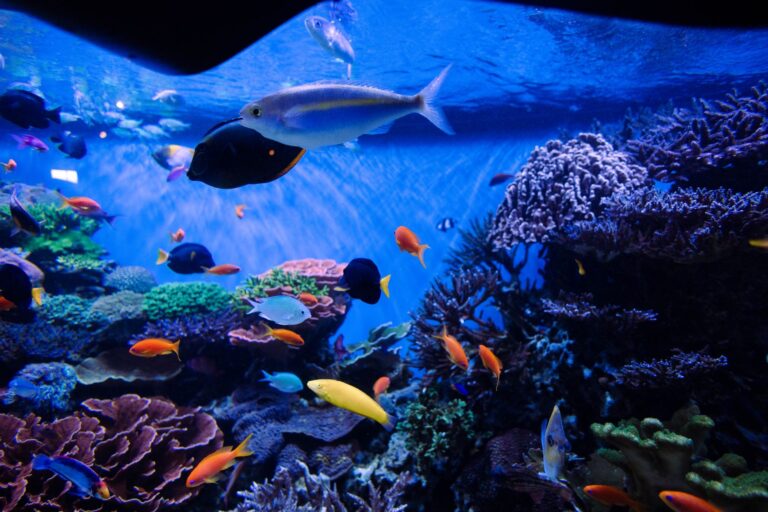
Industrial-scale closed loop marine displays have become increasingly popular in recent years, with many public aquariums and marine parks investing heavily in these systems. These displays are designed to mimic the natural environments of marine ecosystems, providing a unique and immersive experience for visitors. However, maintaining precise chemical parameter stability within these systems is crucial for the health and well-being of the marine life they support.
Chemical parameter stability refers to the ability to maintain consistent levels of various water chemistry parameters, such as pH, ammonia, nitrite, and nitrate, within a narrow range. This is essential for the health and well-being of marine life, as fluctuations in these parameters can be stressful and even toxic to certain species. In this article, we will discuss the latest developments in maintaining precise chemical parameter stability within industrial-scale closed loop marine displays.
Importance of Chemical Parameter Stability
Chemical parameter stability is critical for the health and well-being of marine life in industrial-scale closed loop marine displays. Fluctuations in water chemistry parameters can have a significant impact on the health and well-being of marine animals, and can even be toxic to certain species. For example, changes in pH can affect the availability of oxygen and the solubility of minerals, while fluctuations in ammonia and nitrite can be toxic to many species of fish and invertebrates.
In addition to the health and well-being of marine life, chemical parameter stability is also important for the overall stability and reliability of the system. Fluctuations in water chemistry parameters can cause equipment failures, pipe corrosion, and other problems that can be costly and time-consuming to repair.
Consequences of Poor Chemical Parameter Stability
Poor chemical parameter stability can have serious consequences for industrial-scale closed loop marine displays. Some of the potential consequences include:
- Stress and disease in marine animals
- Reduced water quality and clarity
- Equipment failures and pipe corrosion
- Increased maintenance and repair costs
- Reduced system reliability and uptime
Technologies for Maintaining Chemical Parameter Stability
There are several technologies available for maintaining chemical parameter stability in industrial-scale closed loop marine displays. Some of the most common technologies include:
Protein Skimmers
Protein skimmers are devices that use a combination of air and water to remove organic waste products from the water. These devices are effective at removing proteins, amino acids, and other organic compounds that can contribute to the formation of nitrate and other pollutants.
Activated Carbon Filters
Activated carbon filters are designed to remove dissolved organic compounds and other pollutants from the water. These filters are effective at removing chlorine, heavy metals, and other pollutants that can affect water chemistry parameters.
Biofilters
Biofilters are devices that use beneficial bacteria to break down organic waste products and remove pollutants from the water. These devices are effective at removing ammonia, nitrite, and nitrate, and can help to maintain stable water chemistry parameters.
Best Practices for Maintaining Chemical Parameter Stability
In addition to using technologies such as protein skimmers, activated carbon filters, and biofilters, there are several best practices that can help to maintain chemical parameter stability in industrial-scale closed loop marine displays. Some of these best practices include:
Regular Water Testing
Regular water testing is essential for maintaining chemical parameter stability. This involves testing the water for various parameters, such as pH, ammonia, nitrite, and nitrate, and making adjustments as necessary to maintain stable levels.
Water Changes
Water changes are an important part of maintaining chemical parameter stability. This involves removing a portion of the water from the system and replacing it with fresh, chemically stable water. This helps to remove pollutants and excess nutrients that can contribute to the formation of nitrate and other pollutants.
Monitoring and Controlling Water Flow
Monitoring and controlling water flow is critical for maintaining chemical parameter stability. This involves ensuring that the water flow rate is adequate to meet the needs of the marine life, while also preventing excessive water flow that can cause erosion and other problems.
Advanced Technologies for Chemical Parameter Stability
In recent years, several advanced technologies have been developed to help maintain chemical parameter stability in industrial-scale closed loop marine displays. Some of these technologies include:
Artificial Intelligence and Machine Learning
Artificial intelligence and machine learning algorithms can be used to monitor and control water chemistry parameters in real-time. These algorithms can analyze data from various sensors and make adjustments as necessary to maintain stable levels of various parameters.
Internet of Things (IoT) Sensors
IoT sensors can be used to monitor water chemistry parameters in real-time, providing instant feedback and alerts if parameters exceed safe levels. These sensors can be integrated with other systems, such as artificial intelligence and machine learning algorithms, to provide a comprehensive monitoring and control system.
Case Studies of Successful Chemical Parameter Stability
There are several case studies of successful chemical parameter stability in industrial-scale closed loop marine displays. One example is the Georgia Aquarium, which uses a combination of protein skimmers, activated carbon filters, and biofilters to maintain stable water chemistry parameters. Another example is the Monterey Bay Aquarium, which uses a advanced water treatment system that includes artificial intelligence and machine learning algorithms to monitor and control water chemistry parameters.
Georgia Aquarium Case Study
The Georgia Aquarium is a large public aquarium located in Atlanta, Georgia. The aquarium features a variety of marine life, including fish, dolphins, and whales. To maintain stable water chemistry parameters, the aquarium uses a combination of protein skimmers, activated carbon filters, and biofilters. The aquarium also conducts regular water testing and makes adjustments as necessary to maintain stable levels of various parameters.
Monterey Bay Aquarium Case Study
The Monterey Bay Aquarium is a large public aquarium located in Monterey, California. The aquarium features a variety of marine life, including fish, sea otters, and sharks. To maintain stable water chemistry parameters, the aquarium uses an advanced water treatment system that includes artificial intelligence and machine learning algorithms. The system monitors water chemistry parameters in real-time and makes adjustments as necessary to maintain stable levels of various parameters.
Future Directions for Chemical Parameter Stability
In the future, it is likely that advanced technologies such as artificial intelligence and machine learning will play a larger role in maintaining chemical parameter stability in industrial-scale closed loop marine displays. These technologies will enable real-time monitoring and control of water chemistry parameters, providing instant feedback and alerts if parameters exceed safe levels.
In addition to advanced technologies, it is also likely that there will be a greater emphasis on sustainable and environmentally friendly practices in the design and operation of industrial-scale closed loop marine displays. This may include the use of renewable energy sources, such as solar and wind power, and the implementation of waste reduction and recycling programs.
Checklist for Maintaining Chemical Parameter Stability
To maintain chemical parameter stability in industrial-scale closed loop marine displays, the following checklist should be followed:
- Conduct regular water testing to monitor water chemistry parameters
- Use protein skimmers, activated carbon filters, and biofilters to remove pollutants and excess nutrients
- Monitor and control water flow to prevent excessive water flow and erosion
- Use advanced technologies such as artificial intelligence and machine learning to monitor and control water chemistry parameters in real-time
- Implement sustainable and environmentally friendly practices in the design and operation of the system
By following this checklist and using the latest technologies and best practices, it is possible to maintain precise chemical parameter stability in industrial-scale closed loop marine displays, providing a healthy and stable environment for marine life to thrive.
Always monitor the system’s water temperature, as it can affect the chemical reactions and the overall stability of the system, a sudden change in water temperature can be catastrophic.
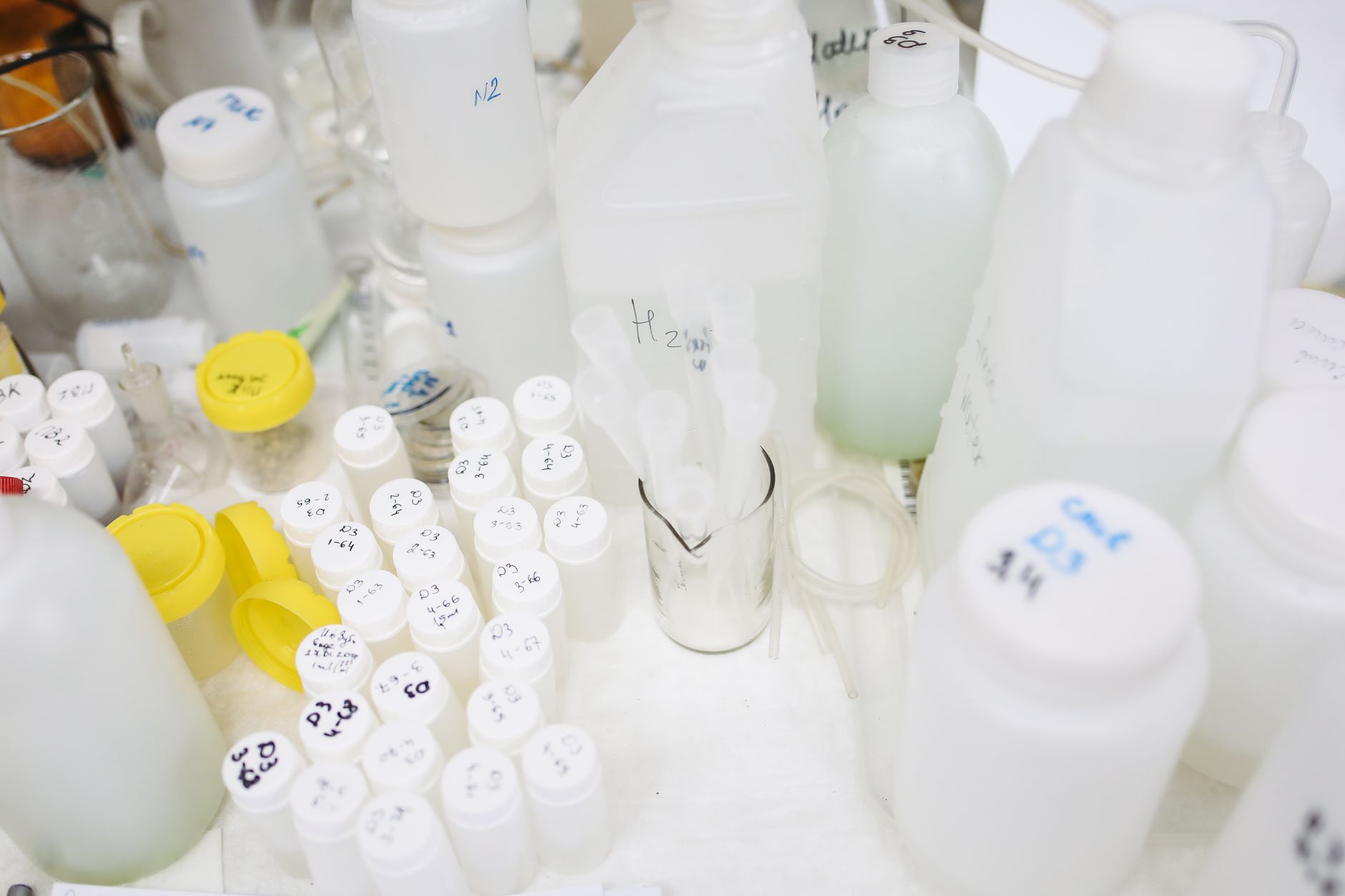
Photo by Polina Tankilevitch (via Pexels)