Choosing the Perfect Substrate for Your Planted Tank: A Comprehensive Guide
Choosing the Perfect Substrate for Your Planted Tank: A Comprehensive Guide
When it comes to setting up a planted tank, one of the most critical decisions you’ll make is choosing the right substrate. The substrate is the foundation of your aquarium, providing a home for your plants’ roots and helping to maintain a healthy environment. With so many options available, including soil, sand, and gravel, it can be overwhelming to decide which one is best for your tank. In this article, we’ll delve into the world of substrates, exploring the pros and cons of each type and providing you with the knowledge you need to make an informed decision.
The main keyword substrate for planted tank is crucial in the first 100 words, and related keywords such as aquarium substrate, planted aquarium substrate, and best substrate for planted tank will be used throughout the article to provide a comprehensive guide.
Understanding the Role of Substrate in a Planted Tank
A good substrate serves several purposes in a planted tank. It provides a medium for plant roots to grow, helps to maintain a stable water environment, and can even affect the overall aesthetic of the aquarium. When choosing a substrate, you’ll want to consider factors such as water hardness, pH levels, and the type of plants you plan to keep. For example, some plants prefer a slightly acidic environment, while others thrive in harder water.
In addition to these factors, you’ll also want to think about the grain size of the substrate. A substrate with a larger grain size can provide better water circulation, while a smaller grain size can lead to compaction and reduced water flow. This is especially important in planted tanks, where healthy water circulation is crucial for plant growth.
Soil Substrates: The Pros and Cons
Soil substrates have gained popularity in recent years due to their ability to provide a nutrient-rich environment for plants. These substrates are often made from a combination of clay, silt, and organic matter, which can help to promote healthy plant growth. However, soil substrates can also be prone to compaction, which can lead to reduced water flow and root growth.
Some of the pros of using a soil substrate include:
- High nutrient content
- Promotes healthy plant growth
- Can help to maintain a stable water environment
However, there are also some cons to consider:
- Prone to compaction
- Can be difficult to clean
- May require additional fertilization
Sand Substrates: A Good Option for Some Tanks
Sand substrates are another popular option for planted tanks. These substrates are often made from silica sand or play sand and can provide a smooth, even surface for plant roots to grow. Sand substrates are also relatively easy to clean and can help to promote healthy water circulation.
Some of the pros of using a sand substrate include:
- Easy to clean
- Promotes healthy water circulation
- Can help to prevent compaction
However, there are also some cons to consider:
- Lack of nutrient content
- May require additional fertilization
- Can be prone to clouding
Gravel Substrates: A Classic Choice
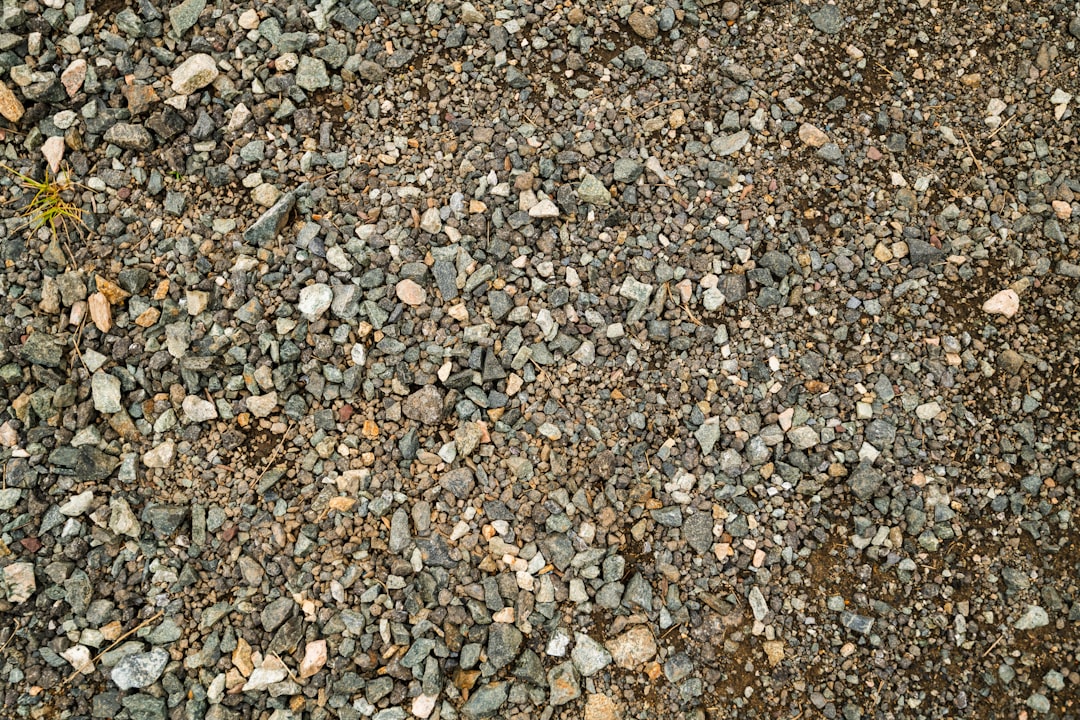
Gravel substrates are a classic choice for planted tanks and can provide a sturdy foundation for plant roots to grow. These substrates are often made from river rock or pea gravel and can help to promote healthy water circulation. Gravel substrates are also relatively easy to clean and can be a good option for tanks with high water flow.
Some of the pros of using a gravel substrate include:
- Promotes healthy water circulation
- Easy to clean
- Can help to prevent compaction
However, there are also some cons to consider:
- Lack of nutrient content
- May require additional fertilization
- Can be prone to shifting
Mixing and Matching: Creating a Custom Substrate Blend
While each type of substrate has its pros and cons, you don’t have to choose just one. Many aquarists prefer to mix and match different substrates to create a custom blend that meets the specific needs of their tank. For example, you might combine a soil substrate with a sand or gravel substrate to create a layered effect.
When creating a custom substrate blend, it’s essential to consider the ratio of each substrate and how they will interact with each other. You’ll also want to think about the depth of the substrate and how it will affect water circulation and plant growth.
The Bottom Line
Choosing the right substrate for your planted tank is a critical decision that can affect the health and success of your aquarium. By considering factors such as water hardness, pH levels, and plant type, you can select a substrate that meets the specific needs of your tank. Whether you choose a soil, sand, or gravel substrate, or decide to create a custom blend, the key is to provide a healthy and stable environment for your plants to thrive.
As you embark on your aquarium journey, remember that the substrate is just the beginning. With the right substrate and a little bit of knowledge, you’ll be well on your way to creating a stunning and thriving planted tank. Until next time, happy aquascaping!
📷 Photos: Matthew Moloney (Unsplash), Matthew Moloney (Unsplash)