Adjusting Light Spectrum to Reverse Gorgonian Bleaching
Adjusting Light Spectrum to Reverse Gorgonian Bleaching
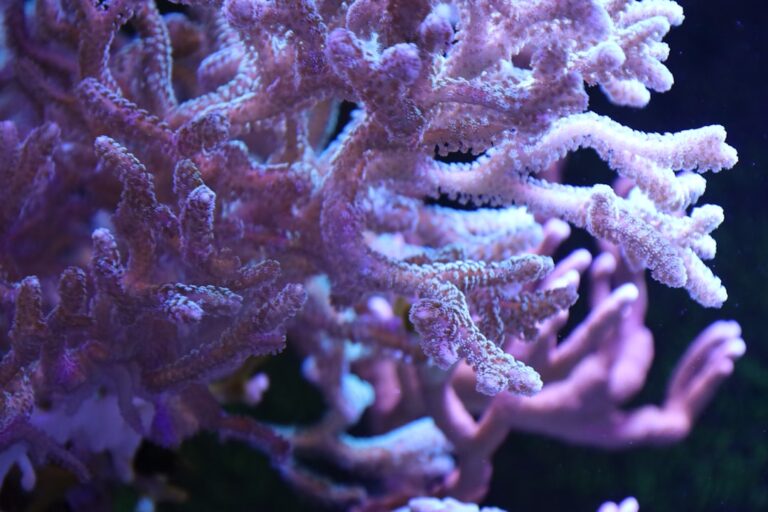
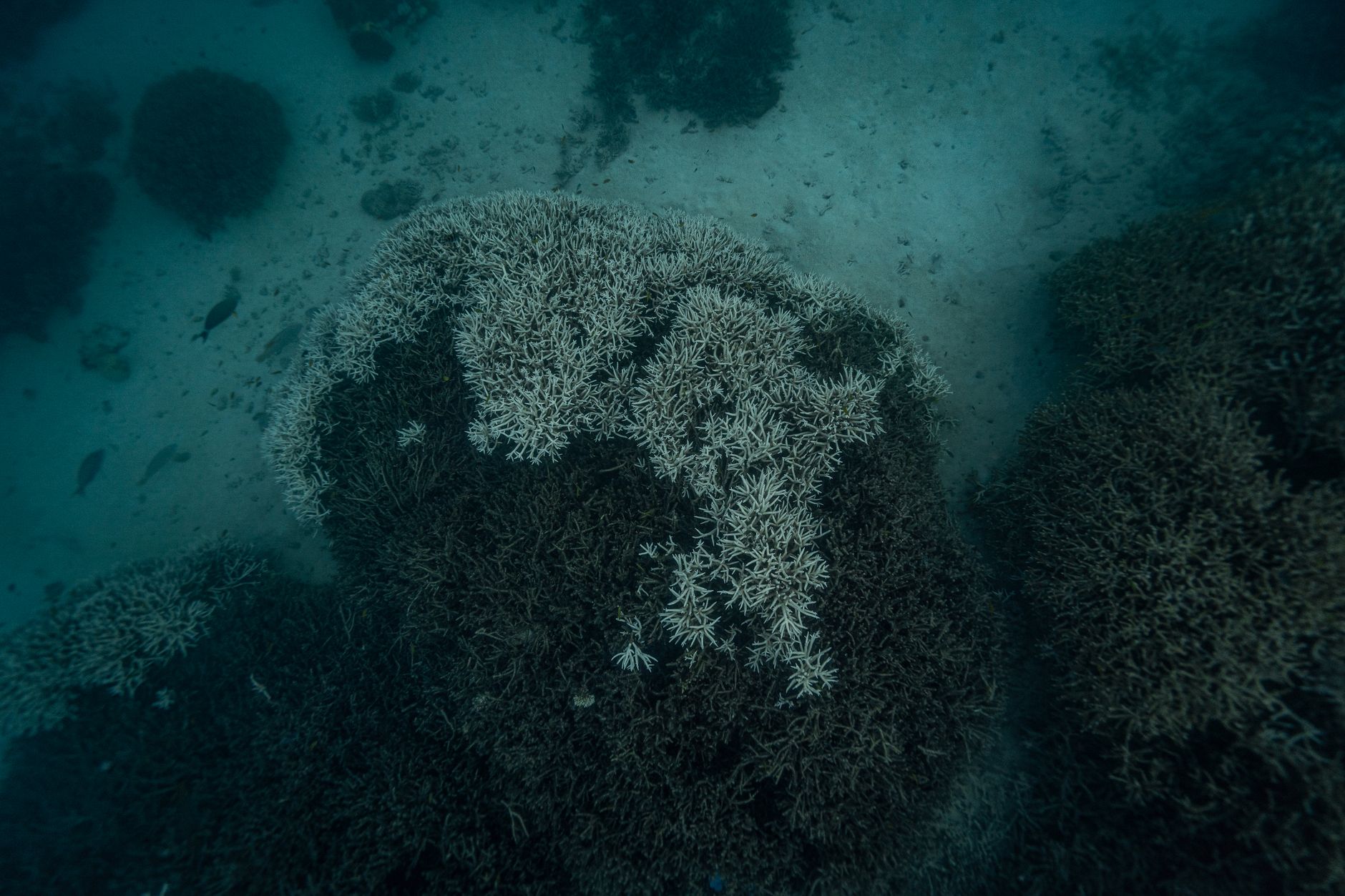
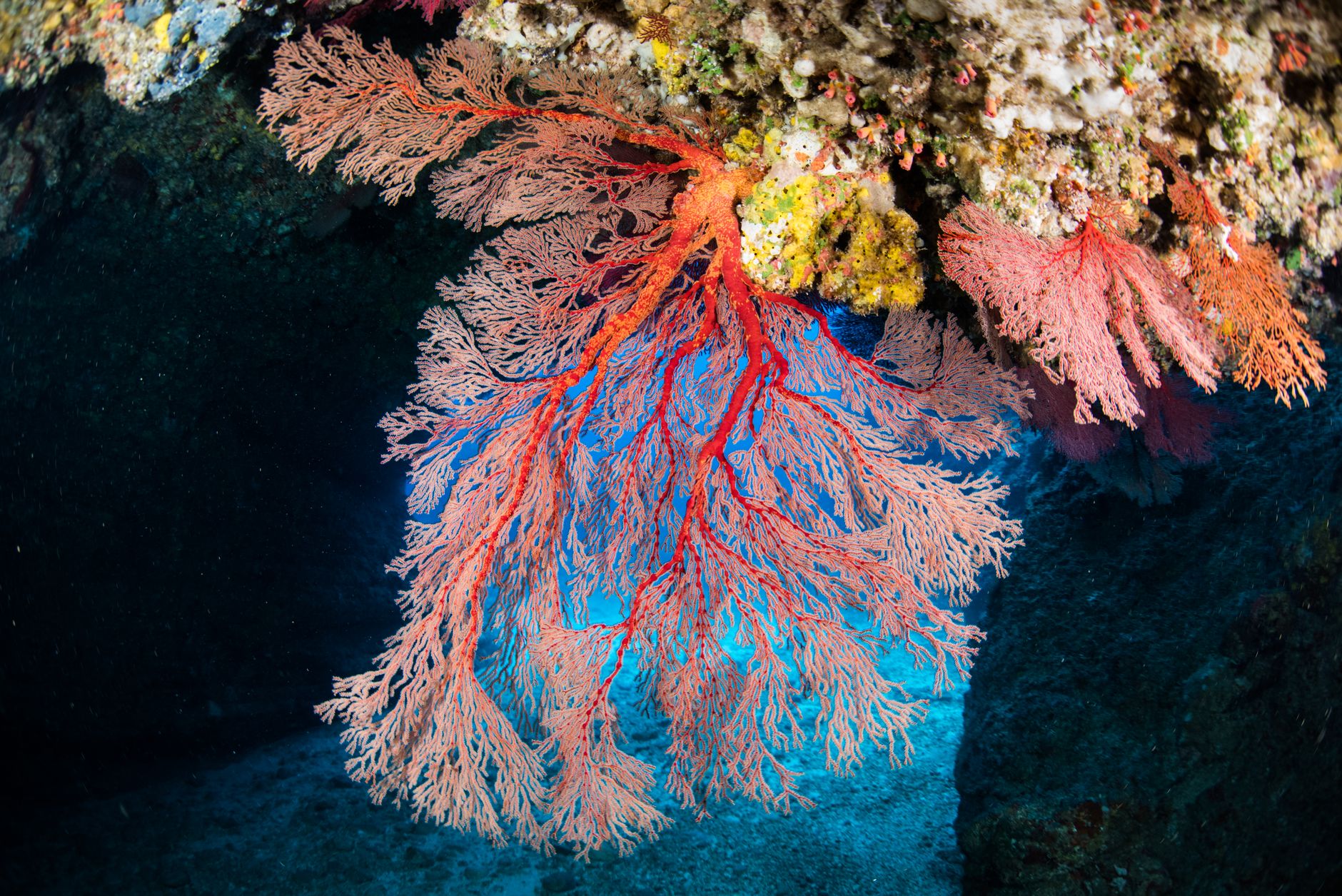
The first sign was a color shift so subtle it could have been dismissed as a trick of morning light. A deep purple sea fan, one that had anchored itself to the left side of the tank for nearly three years, began fading along its outer edges — not the sudden white of tissue necrosis but something closer to a watercolor wash, the pigment bleeding out slowly over the course of a week.
The timing was hard to ignore. Two weeks earlier, the old metal halide fixture had been replaced with a modern LED array — a sleek, programmable unit with separate channels for cool white, warm white, blue, and royal blue. The store had recommended it as an upgrade. Quieter, cooler, more efficient. The coral clearly disagreed.
This is not an uncommon problem in reef tanks that switch to LED lighting. The issue is rarely the technology itself but what the technology changes about the light environment. Metal halides produce a broad, continuous spectrum with significant infrared and ultraviolet output. LEDs, by contrast, emit narrow spikes of specific wavelengths. A fixture that looks bright to a human eye — blue channels turned up, everything glowing like a piece of the Caribbean — may be missing the middle ranges of the spectrum that certain photosynthetic organisms depend on.
Gorgonians, particularly non-photosynthetic species like the purple sea fan in question, are often considered low-light corals. But even those that host symbiotic zooxanthellae can be surprisingly particular about spectrum. The new LEDs had been set to a popular preset — heavily blue, with the whites barely above 20 percent. It created the visual effect of deep ocean water, which was the goal, but it also meant the coral was receiving almost no light in the 500–600 nanometer range where yellow and green wavelengths live. Gorgonians use those wavelengths for specific pigment functions that blue-heavy spectrums don’t support.
The Bleach Line Stopped Moving Inward
The natural instinct when a coral starts bleaching is to move it, medicate it, or change something immediately. All three responses can make things worse if the actual cause is still unclear.
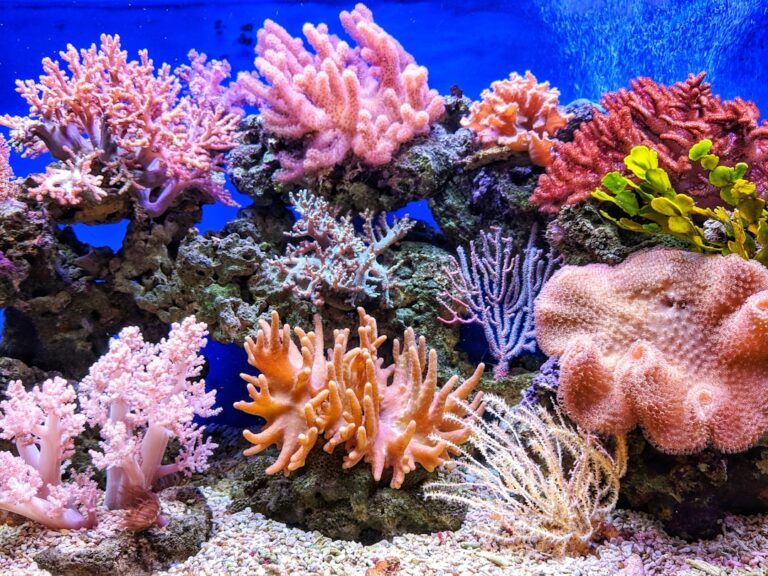
The first step was to isolate the variable. Had water parameters shifted at the same time as the lighting? A quick test of alkalinity, calcium, magnesium, and nitrate showed nothing unusual — all within the ranges the system had held for months. Temperature had actually improved; the LEDs ran cooler than the halides, so the tank had settled at a steadier 78 degrees instead of fluctuating between 76 and 81 over the course of a day. Flow was unchanged. Nothing else in the tank — a mix of LPS corals, a toadstool leather, a few Acropora fragments — showed any signs of stress. The problem was specific to the gorgonian, and the only change was the light.
Reading through forums and manufacturer documentation revealed something that should have been obvious but isn’t discussed enough in the hobby: LED fixtures often list their total PAR output at a given height and power setting, but PAR alone doesn’t tell the full story. Two fixtures can produce identical PAR numbers at the same depth while having completely different spectral compositions. A metal halide bulb producing 150 PAR at 12 inches depth is delivering a fundamentally different light environment than an LED fixture producing the same 150 PAR, particularly in terms of how much energy reaches the red and green parts of the spectrum.
Adjusting the Blue, White, and Green Channels
The fix did not require buying a different fixture. The LED unit had individual channel controls, and the problem was simply how those channels had been balanced.
- Reduce blue intensity by 15 percent. This was counterintuitive — most reef keepers associate blue light with coral health. But too much blue relative to other wavelengths can create a spectral imbalance that starves certain pigments. The royal blue channel was dropped from 70 percent to 55 percent.
- Increase warm white to match or slightly exceed cool white. Warm white LEDs produce a broader, more continuous spectrum than cool white or blue, including significant output in the yellow-green range. The warm white channel was raised from 15 percent to 40 percent. The cool white stayed at 20 percent.
- Add a dedicated green or neutral white channel if available. Some higher-end LED fixtures include a green channel. If not, a neutral white (around 4000K) can fill the same gap. The goal was not to make the tank look green to the human eye but to ensure the coral received measurable output in the 520–560 nanometer range.
- Slowly ramp the changes over 10 days. A single sharp adjustment risks additional stress. The settings were changed in 2–3 percent increments every other day, giving the coral time to adjust its pigment production.
A PAR meter was used to confirm that the total light intensity at the gorgonian’s position stayed between 120 and 140 micromoles — the same range it had received under the metal halides. What changed was not how much light hit the coral, but what kind of light it was.
The Red Branching Species That Didn’t Make It
After about 12 days, the bleach line stopped moving inward. Over the next two weeks, a faint purplish tint began returning from the base upward. Not a bright color — that would take months — but the difference between a living coral and a fading one. The outer edges that had gone pale stayed pale, but new polyps extended normally from the colored sections.
Not everything recovered. A smaller gorgonian on the opposite side of the tank, a red branching species, continued losing tissue even after the spectrum adjustment. It had been a non-photosynthetic species, dependent entirely on capturing food particles from the water column, and the stress of the light shift may have pushed it past its threshold. Some corals simply fail, and a good system is not one where nothing ever dies but one where the keeper understands what killed it and whether it could have been avoided.
The tank looks different now than it did under the metal halides. The blue-to-white ratio is less dramatic, and the overall color temperature is measurably warmer. It no longer has that deep-ocean aesthetic that the programmable presets deliver. But the coral is alive, and the aesthetic of a healthy tank is not a bad trade.
📷 Photos: Oscar Trisley (Pexels), 沖縄ダイビングスクール ワールドダイビング (Pexels)