How to Spot Brooklynella Before It Kills Your Clownfish
How to Spot Brooklynella Before It Kills Your Clownfish
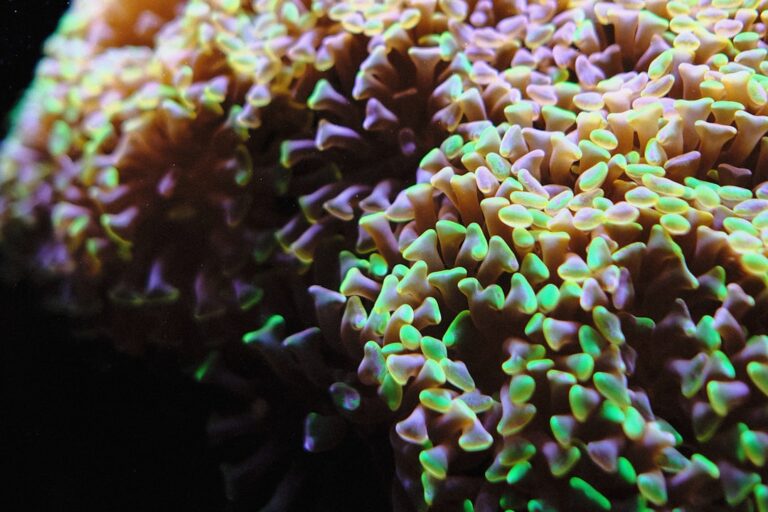
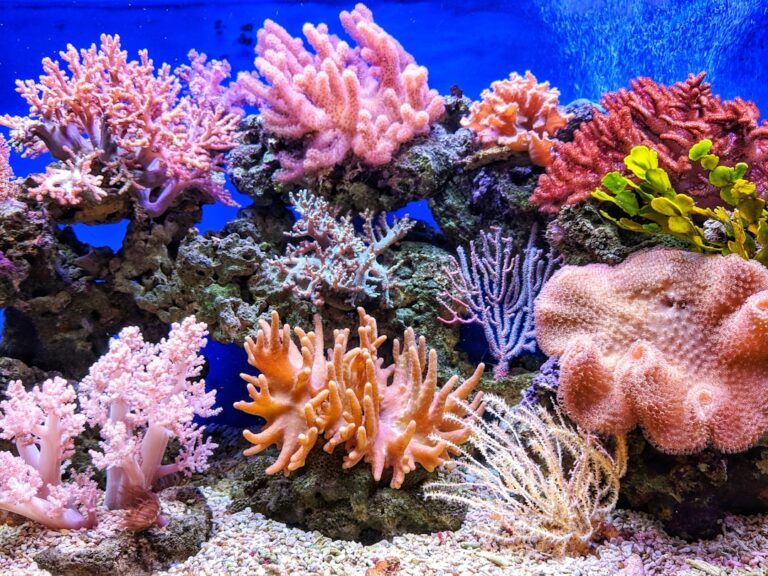
The first sign was subtle enough to explain away. A single ocellaris clownfish, the larger of a bonded pair in a 180-liter mixed reef, had stopped coming to the feeding ring during the morning target-feed of frozen mysis. It still swam. Still hosted the toadstool leather. But when the turkey baster appeared with food, it stayed tucked among the branching hammer coral while the other fish converged.
Three days later, a faint white film covered the same fish’s flanks. Not the distinct salt-grain spots of Cryptocaryon irritans — marine ich — but something softer, almost translucent, as if the skin itself had clouded. The fish breathed harder, gills moving at double the normal pace. By the time anyone recognized what they were looking at, the second clownfish had stopped eating too.
Brooklynella hostilis — commonly called clownfish disease, though it does not restrict itself to one family — does not behave like other parasites. Where ich follows a predictable lifecycle of trophont, tomont, and theront that takes days to re-infect, Brooklynella runs a faster, more direct path. The trophont attaches to the gill epithelium and feeds directly on the host tissue. Fish can go from visibly healthy to moribund in under 48 hours. The white film is not the parasite itself. It is the sloughed mucus and damaged skin cells accumulating as the fish’s immune system fails to keep up.
Veterinary marine pathologists distinguish Brooklynella from other protozoan infections by its tendency to produce heavy gill involvement before external lesions appear. By the time the white film is visible, the gill lamellae have often already undergone significant hyperplasia — swelling and fusing that reduces oxygen exchange. A fish that appears to be suffocating at the surface while still having clear water chemistry is a reliable diagnostic clue.
Recognize the Difference: Brooklynella vs. Ich vs. Velvet
The confusion costs time. Marine ich produces discrete white spots raised slightly above the skin, each about one millimeter in diameter. The fish may flash against rocks, rub against the substrate. Velvet — Amyloodinium ocellatum — leaves a finer, gold-dusted sheen across the body and eyes, often visible only under blue or actinic lighting.
Brooklynella produces a thicker, more opaque film that can appear almost milky. It lacks the granular texture of ich and the fine powder of velvet. The skin itself looks raw underneath. In later stages, the fish may develop secondary bacterial infections at the gill margins and fin bases.
The speed of escalation is the most reliable differentiator. A fish with ich that gets a proper copper treatment can show improvement within three to five days. A fish with Brooklynella that receives copper will continue to decline, because copper does not penetrate the host’s gill tissue where the parasite feeds. Formalin is the only reliably effective treatment, and it needs to reach the gills quickly.
Set Up a Treatment Tank Before You Need One
This is where most hobbyists lose the race. Treating Brooklynella in a display tank is rarely possible at the required concentration without destroying the biological filter and harming invertebrates. Clownfish lack the scales of many other marine fish — their skin is thicker but more permeable — and they respond poorly to sudden osmotic shifts.
A dedicated hospital tank, 40 to 80 liters minimum, should already be cycled and running. Sponge filters pre-seeded in the sump of an established system provide immediate biological filtration without the risk of chemical absorption that ceramic media carries. The tank needs a lid. Clownfish, especially when stressed, will jump.
Heating to 26 degrees Celsius and aeration at the highest practical rate come first. Brooklynella impairs gas exchange at the gill level, so dissolved oxygen in the treatment water needs to be at saturation. A single large airstone or a venturi-powered skimmer without the collection cup — essentially a foam fractionator running wet — can help strip excess organic material while oxygenating.
Treat With Formalin, Not Copper
Formalin — a 37 percent solution of formaldehyde gas dissolved in water and stabilized with methanol — is the only treatment with consistent efficacy against Brooklynella. It is also a carcinogen with a sharp, acrid odor that can trigger respiratory reactions in humans. It must be handled outdoors or under a fume hood, with nitrile gloves and eye protection.
The standard bath concentration is one milliliter of 37 percent formalin per 38 liters of tank water, applied as a single dose. Fish remain in the bath for 12 to 24 hours, then receive a 100 percent water change into clean, pre-mixed saltwater of the same temperature and salinity. The treatment repeats every 48 hours for up to three doses.
A lower concentration — one milliliter per 76 liters — applied as a 45-minute dip in a separate container, offers an alternative for fish too compromised to tolerate a full bath. The dip requires active monitoring. If the fish rolls onto its side or stops ventilating, it must be transferred immediately to clean water.
Formalin degrades quickly in saltwater. Fresh stock should be amber-colored and clear. A white precipitate at the bottom of the bottle indicates polymerization and reduced efficacy. Veterinary-grade formalin sold through aquarium suppliers is suitable; hardware-store formaldehyde often contains stabilizers that are toxic to fish.
Consider the Less Common Alternatives
Malachite green, often combined with formalin in commercial products like Quick Cure, adds a narrow antifungal and antiparasitic effect but does not target Brooklynella specifically. Anecdotal reports from keepers of Amphiprion percula imported through Pacific rim wholesalers suggest that prolonged formalin baths at reduced concentration — 0.5 milliliters per 38 liters for five to seven days with daily partial water changes — have succeeded where standard dosing failed. No controlled study supports this protocol.
Hydrogen peroxide baths at 150 parts per million for 30 minutes have been used in public aquarium settings for various external protozoans, but published case reports for Brooklynella are limited to a handful of incidents involving Premnas biaculeatus at a public aquarium on the West Coast. The margin between effective concentration and gill necrosis is narrow.
Freshwater dips — transferring the fish to a container of dechlorinated freshwater at matching pH and temperature for three to five minutes — can provide temporary relief by osmotic shock to the parasite. They do not eradicate the infection. Fish already stressed by gill damage may not tolerate the osmotic shift.
Quarantine Everything for a Minimum of 30 Days
Brooklynella arrives with fish. It does not appear spontaneously in established systems that have not seen new additions for months. The parasite is almost always introduced on wild-caught clownfish from regions where it is endemic — the Philippines, Indonesia, the Great Barrier Reef.
A 30-day observation period in a bare-bottom quarantine tank, with no copper or formalin prophylactically dosed, allows the parasite to manifest. Tank-raised clownfish from captive-breeding programs carry negligible risk. Wild-caught specimens, regardless of the wholesaler’s reputation, should be assumed carriers until proven otherwise.
The quarantine tank requires the same water quality parameters as the display — specific gravity 1.025, temperature 26 degrees, pH 8.2 — but with biological filtration limited to what can be replaced or sterilized after each use. Sponge filters work. Ceramic rings in a hang-on-back filter are harder to disinfect and should be dedicated to quarantine use only.
Feeding during quarantine should mirror the display tank’s diet. Brooklynnella-implicated stress is partly nutritional. Clownfish fed a varied diet of frozen mysis, brine shrimp enriched with spirulina, and a high-quality pellet show better resistance to initial infection than fish fed a single food type.
Know When to Stop Treating
A fish that resumes eating and shows no white film for 10 days after the final formalin bath is likely clear of active infection. The gills may still show signs of remodeling for several weeks — heavier breathing during feeding, occasional yawning — but the parasite lifecycle has been broken.
The display tank that housed the infected fish needs to remain fishless for 60 days minimum. Brooklynella’s tomont — the encysted reproductive stage — can survive on substrate, rock, and equipment for that period. Elevated temperature, 28 to 29 degrees, during the fallow period may accelerate tomont mortality but does not guarantee it.
Some hobbyists choose to tear down and dry out the system entirely, restarting with dry rock and new sand. The choice depends on the value of the existing aquascape versus the cost of losing another group of fish. For a mixed reef with years of coral growth, a 60-day fallow period is the practical compromise.
The pair in the 180-liter responded to treatment. The larger fish, the one that stopped eating first, required three full formalin baths over six days. The smaller recovered after one dip. Both returned to the display after 10 weeks of observation in the hospital tank. The toadstool leather, deprived of the clownfish’s host-seeking behavior for that period, had tilted slightly toward the light. It adjusted back within a week.
Whether the extra effort of a dedicated quarantine system changes how a given tank gets stocked is up to the keeper — but it is worth having the hospital tank cycled and ready before the next fish order arrives.