Aquascaping Trends in Asia 2025
Aquascaping Trends in Asia 2025: A New Wave of Creativity
Aquascaping, the art of creating stunning underwater landscapes, has been gaining popularity in Asia over the years. As we dive into 2025, we can expect to see some exciting new trends emerge in the world of aquascaping. From innovative uses of materials to cutting-edge technology, Asian aquarists are pushing the boundaries of what’s possible in aquarium design. In this article, we’ll explore the latest aquascaping trends in Asia and what they mean for the future of the hobby.
Naturalistic Landscapes
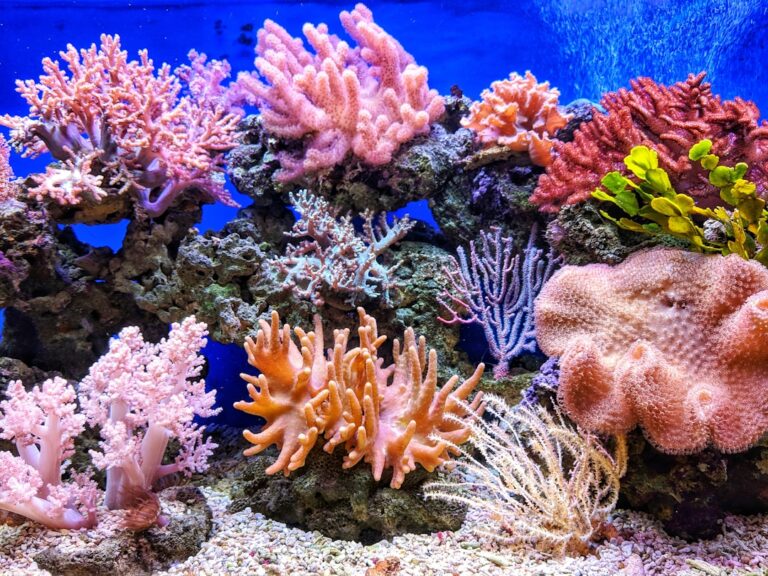
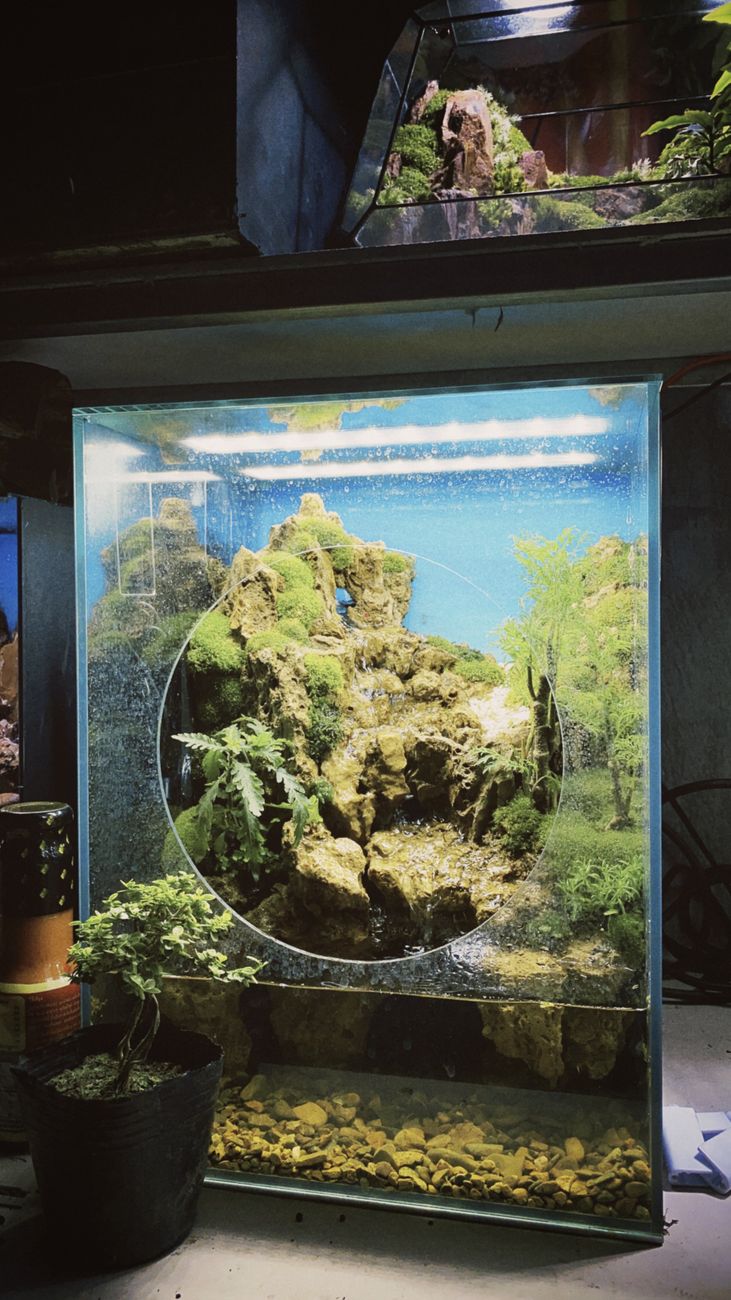
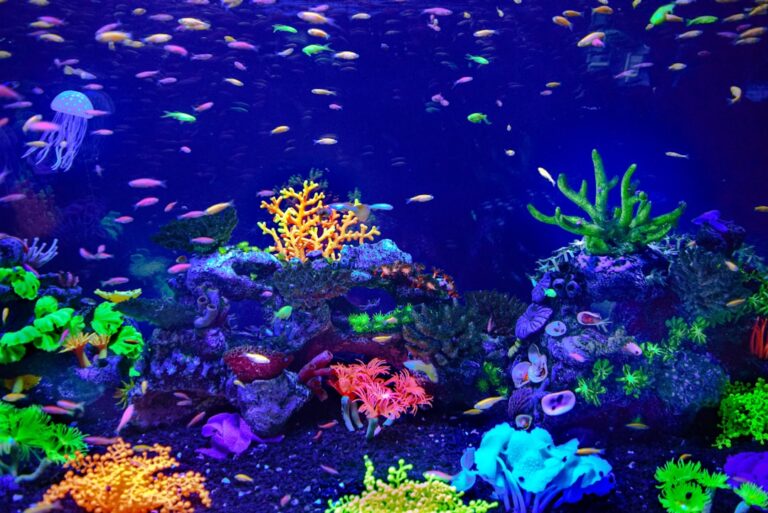
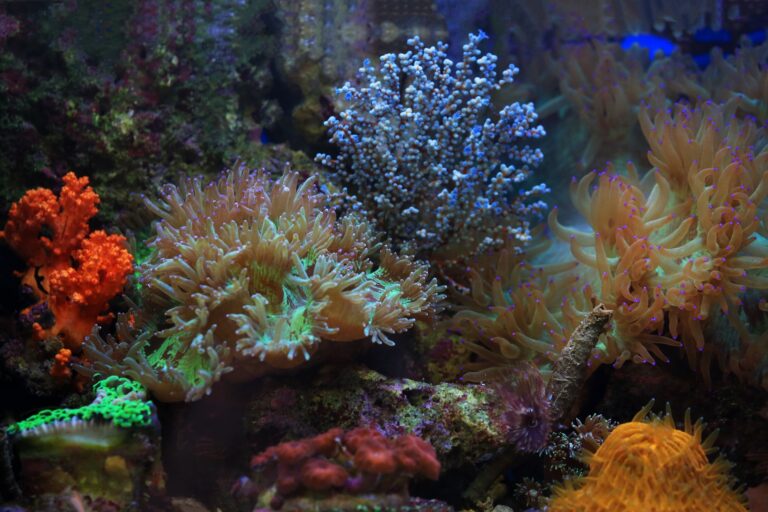
One of the most significant trends in aquascaping right now is the move towards naturalistic landscapes. Inspired by the natural beauty of Asia’s diverse ecosystems, aquarists are creating aquariums that mimic the intricate details of coral reefs, rocky coastlines, and even terrestrial environments. This involves using a combination of rocks, driftwood, and plants to create a realistic and immersive environment for fish and other aquatic life. By incorporating natural materials and textures, aquarists can create a sense of depth and dimensionality in their aquariums, drawing the viewer in and inviting them to explore.
Biotope Aquascaping
Another trend that’s gaining traction in Asia is biotope aquascaping. This involves creating aquariums that are designed to replicate specific ecosystems or habitats from around the world. For example, an aquarist might create a biotope aquarium that mimics the conditions of the Amazon River or the Great Barrier Reef. This approach requires a deep understanding of the complex relationships between different species and their environments, as well as a commitment to replicating the specific water parameters and conditions of the chosen biotope. By doing so, aquarists can create truly unique and fascinating aquariums that showcase the diversity and complexity of life on Earth.
Sustainable Aquascaping
As concern for the environment grows, sustainable aquascaping is becoming an increasingly important trend in Asia. This involves using eco-friendly materials, reducing waste, and minimizing the carbon footprint of aquarium-keeping. For example, aquarists might use recycled materials, such as old glass bottles or plastic containers, to create unique and functional aquarium decorations. They might also choose to use energy-efficient equipment, such as LED lighting, to reduce their energy consumption. By adopting sustainable practices, aquarists can help reduce the impact of the hobby on the environment while still enjoying the many benefits of aquarium-keeping.
Technological Advancements
Technology is also playing a major role in shaping the future of aquascaping in Asia. Advances in equipment, such as high-performance pumps and filters, are making it possible to create more complex and dynamic aquariums. Additionally, the rise of smart aquarium controllers and monitoring systems is allowing aquarists to track and adjust water parameters, lighting, and other conditions with greater precision than ever before. This is enabling them to create more stable and healthy environments for their fish and other aquatic life, while also reducing the risk of disease and other problems.
Popular Aquascaping Styles in Asia
So, what are some of the most popular aquascaping styles in Asia right now? Here are a few examples:
- Iwagumi: a Japanese-style aquascaping that emphasizes simplicity, balance, and harmony
- Nature-style aquascaping: a style that seeks to recreate natural environments, such as coral reefs or rocky coastlines
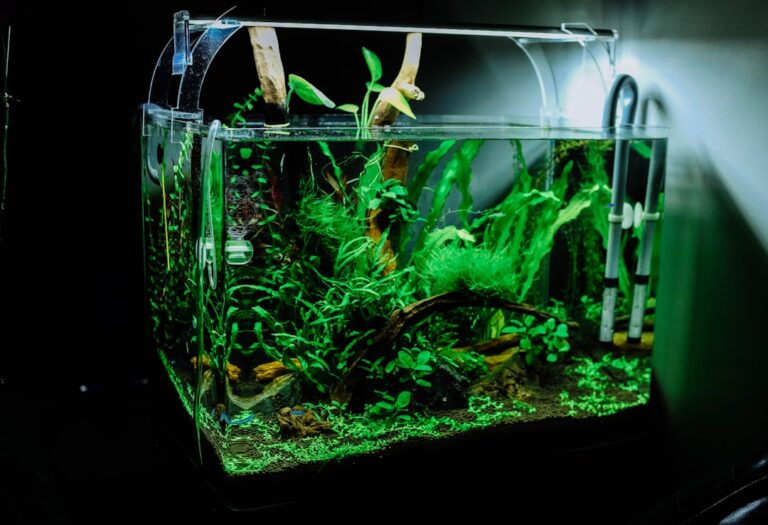
- Dutch-style aquascaping: a style that emphasizes the use of plants, often in combination with rocks and driftwood
These styles, along with many others, are inspiring a new generation of aquarists in Asia to experiment with different materials, techniques, and ideas.
Whether you’re a seasoned aquarist or just starting out, there’s never been a more exciting time to be involved in the hobby. With so many new trends, styles, and technologies emerging, the possibilities for creativity and innovation are endless. So why not join the conversation and share your own aquascaping ideas and experiences with the Aquarium Asia community?
Get in touch with us and let’s talk about your favorite aquascaping trends and styles. We’d love to hear from you and feature your aquarium in a future issue of Aquarium Asia. Happy fish-keeping!
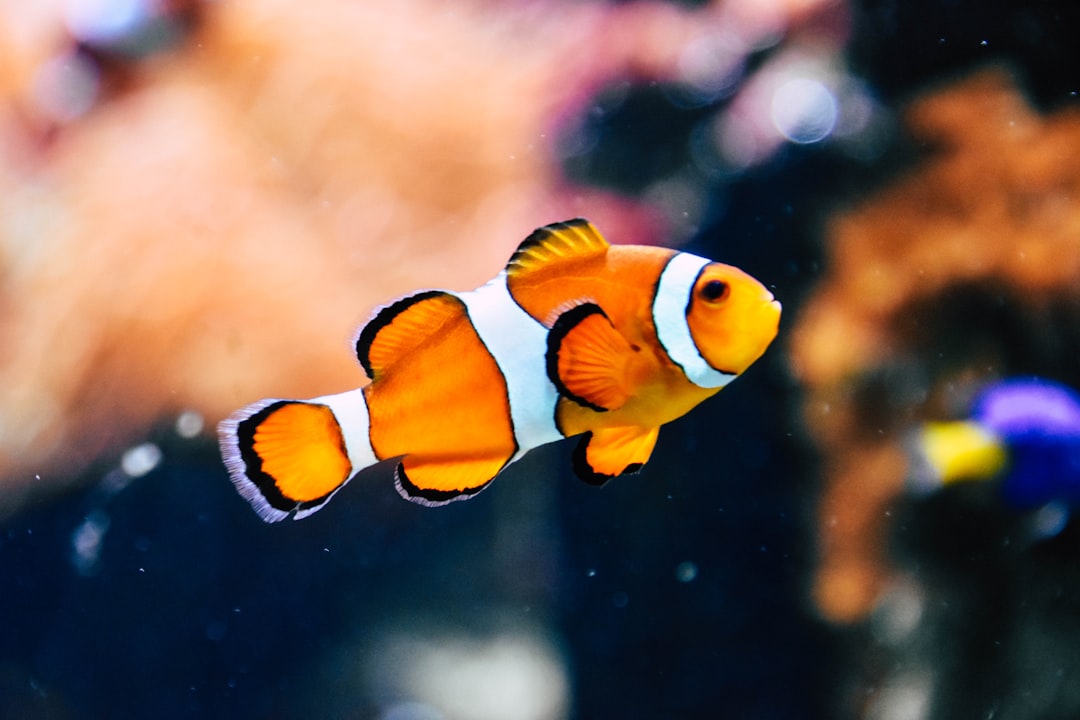
Photo by Rachel Hisko on Unsplash