Optimizing Lighting Spectrum for Marine Reef Systems
Introduction to Advanced Marine Reef Systems
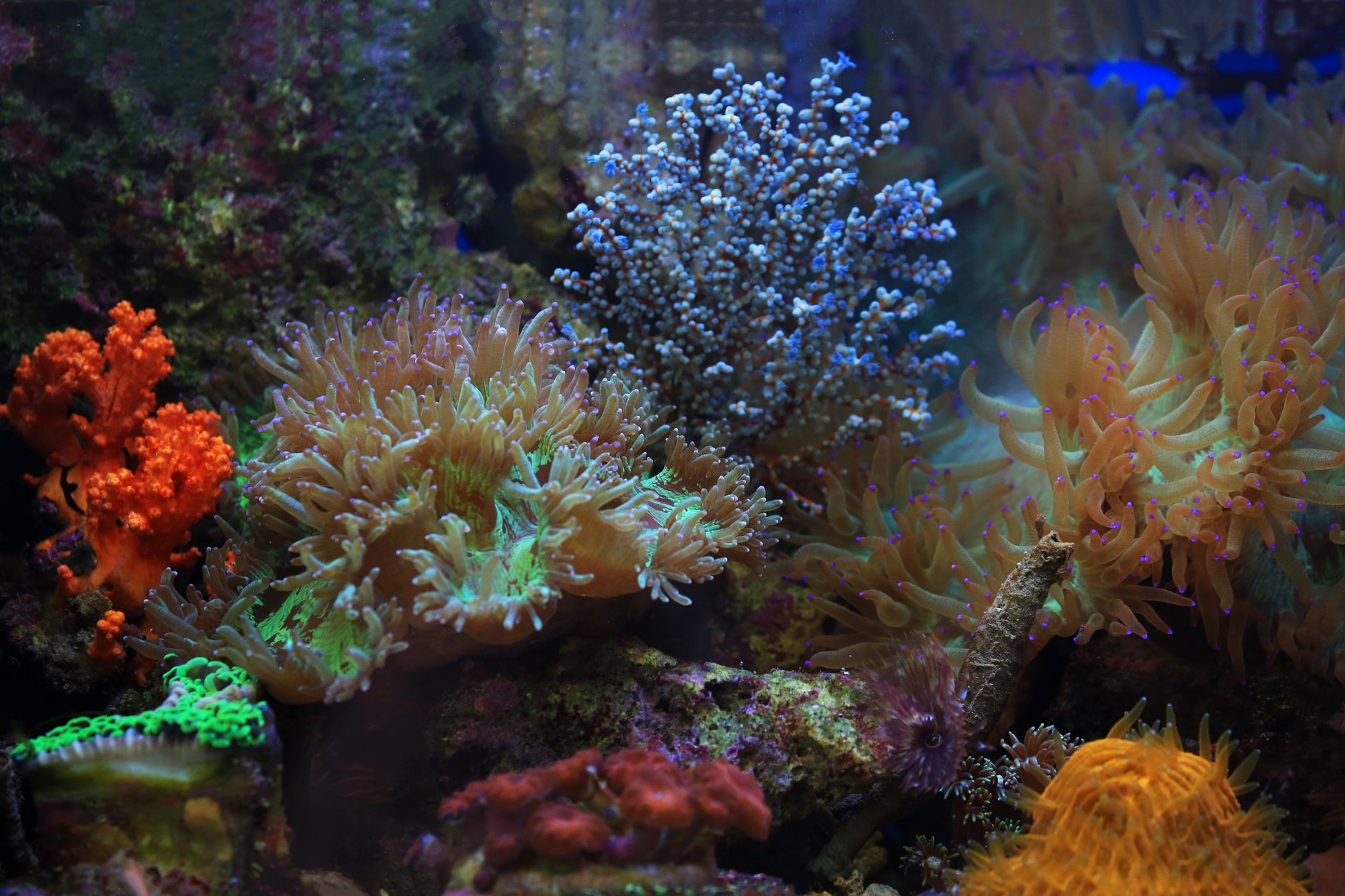
Marine reef systems are complex, delicate ecosystems that require precise control over various environmental parameters to thrive. One of the most critical factors in maintaining a healthy reef system is lighting. In this article, we will delve into the advanced considerations of lighting spectrum optimization metrics, focusing on engineering PAR and PUR outputs for advanced photosynthetic growth systems.
Understanding PAR and PUR
PAR (Photosynthetic Active Radiation) and PUR (Photosynthetic Utilizable Radiation) are two essential metrics in evaluating the effectiveness of lighting systems for marine reef systems. PAR measures the amount of light available for photosynthesis, typically in the 400-700nm range. PUR, on the other hand, takes into account the specific absorption spectra of photosynthetic organisms, providing a more accurate representation of the usable light energy.
The following table compares the characteristics of PAR and PUR:
| Parameter | PAR | PUR |
|---|---|---|
| Definition | Photosynthetic Active Radiation | Photosynthetic Utilizable Radiation |
| Wavelength range | 400-700nm | Variable, depending on organism |
| Unit of measurement | μmol/s | μmol/s |
Lighting Spectrum Optimization
Optimizing the lighting spectrum for marine reef systems involves selecting a combination of light sources that provide the ideal balance of PAR and PUR. This can be achieved through the use of LED lighting systems, which offer flexibility in terms of spectral output and intensity.
The following are some key considerations when optimizing the lighting spectrum:
- Spectral output: Select LED lights with a spectral output that matches the absorption spectra of the photosynthetic organisms in the reef system.
- Intensity: Adjust the intensity of the lighting system to provide the optimal amount of PAR and PUR for the specific reef system.
- Color temperature: Choose a color temperature that enhances the visual appeal of the reef system while maintaining optimal PAR and PUR levels.
Engineering PAR and PUR Outputs
Engineering PAR and PUR outputs involves designing a lighting system that provides the optimal amount of usable light energy for the reef system. This can be achieved through the use of specialized lighting controllers and software.
The following are some key steps in engineering PAR and PUR outputs:
- Determine the target PAR and PUR values: Based on the specific requirements of the reef system, determine the target PAR and PUR values.
- Select the lighting components: Choose LED lights and other lighting components that can provide the required PAR and PUR outputs.
- Design the lighting system: Use specialized lighting controllers and software to design a lighting system that provides the optimal PAR and PUR outputs.
- Test and adjust the lighting system: Test the lighting system and adjust as necessary to ensure that the target PAR and PUR values are being met.
Advanced Photosynthetic Growth Systems
Advanced photosynthetic growth systems involve the use of specialized lighting systems and other technologies to enhance the growth and health of photosynthetic organisms in marine reef systems.
The following are some key components of advanced photosynthetic growth systems:
- LED lighting systems: Provide the optimal amount of PAR and PUR for photosynthetic growth.
- CO2 supplementation systems: Enhance the growth of photosynthetic organisms by providing supplemental CO2.
- Nutrient delivery systems: Provide essential nutrients for photosynthetic growth.
Conclusion and Summary
In conclusion, optimizing the lighting spectrum for marine reef systems is a complex process that requires careful consideration of PAR and PUR metrics. By engineering PAR and PUR outputs and utilizing advanced photosynthetic growth systems, reef hobbyists and professionals can create thriving, healthy reef ecosystems. The technical operational parameters for optimizing lighting spectrum include selecting the ideal spectral output, adjusting intensity and color temperature, and utilizing specialized lighting controllers and software. By following these guidelines and staying up-to-date with the latest advancements in reef lighting technology, individuals can create stunning and thriving marine reef systems.
Asset Matrix: Photo via Pexels by Jeffry Surianto