Sustaining Healthy Populations of Deepwater Marine Angelfish Species
Introduction to Deepwater Marine Angelfish Species
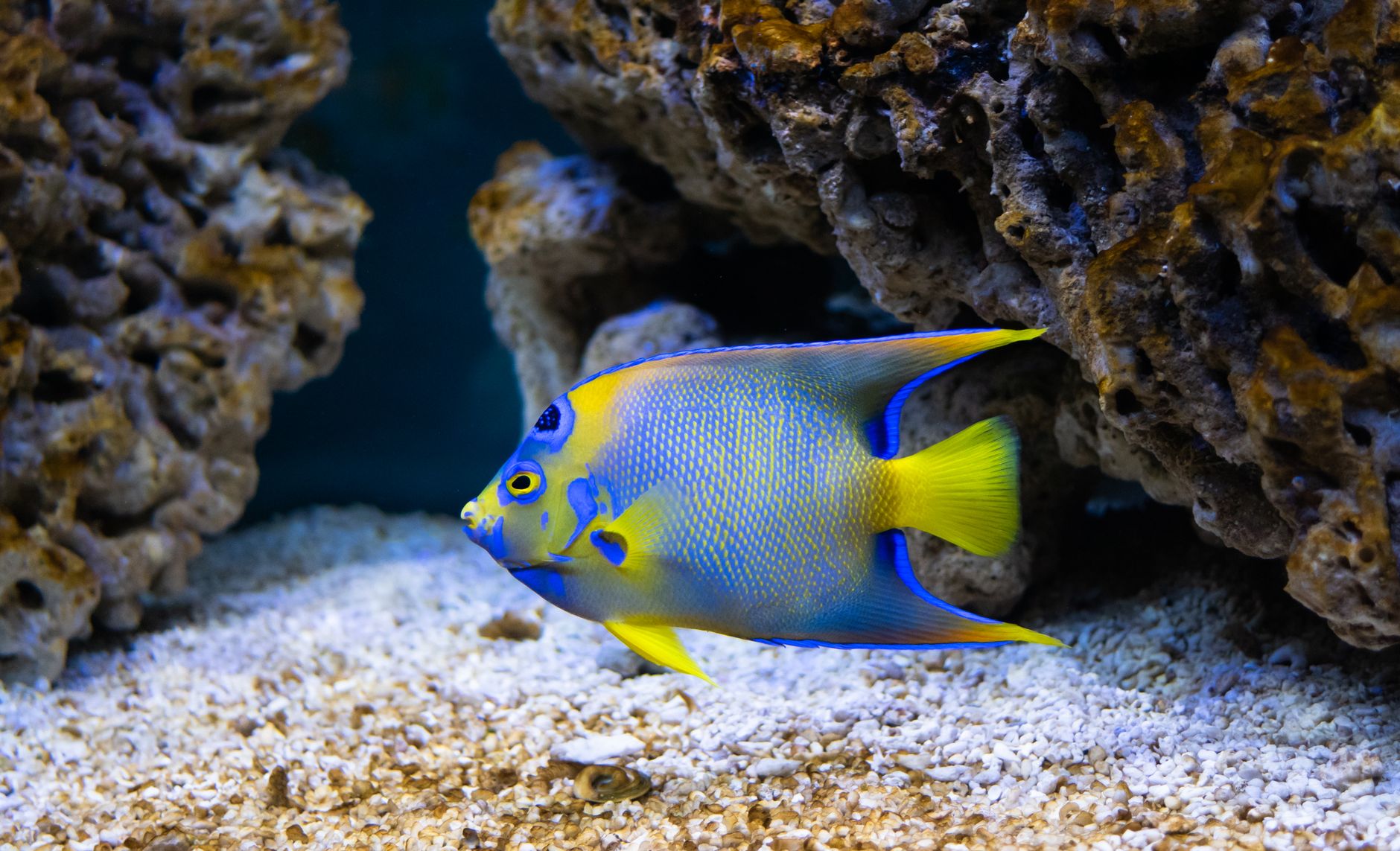
Deepwater marine angelfish species have long been a subject of fascination among marine biologists and aquarium enthusiasts alike. These majestic creatures, with their vibrant colors and intricate patterns, can be found in the deep waters of the Atlantic, Pacific, and Indian Oceans. However, sustaining healthy populations of these species in a controlled environment can be a daunting task, requiring a deep understanding of the environmental variables that govern their lives. In this article, we will delve into the world of deepwater marine angelfish species, exploring the complex interplay of factors that contribute to their well-being and providing a comprehensive guide for professionals seeking to create a thriving environment for these incredible creatures.
Historical Context and Geographical Distribution
Deepwater marine angelfish species have been known to humans for centuries, with early records of their existence dating back to the 18th century. These fish were initially discovered in the Caribbean Sea and the western Atlantic Ocean, but subsequent expeditions and research have revealed a much broader geographical distribution. Today, we know that deepwater marine angelfish species can be found in the deep waters of the Atlantic, Pacific, and Indian Oceans, with some species inhabiting areas as far north as Japan and as far south as Australia. The geographical distribution of these species is closely tied to the availability of food, suitable habitat, and specific environmental conditions.
Species-Specific Distribution and Habitat
One of the most well-known deepwater marine angelfish species is the Pomacanthus imperator, also known as the emperor angelfish. This species is found in the Indo-Pacific region, where it inhabits coral reefs and rocky crevices at depths ranging from 10 to 100 meters. Another notable species is the Apolemichthys kingi, or the tiger angelfish, which is native to the western Pacific Ocean and can be found in areas with rocky outcrops and coral formations. Understanding the specific distribution and habitat requirements of each species is crucial for creating a suitable environment in a controlled setting.
Environmental Variables Required for Deepwater Marine Angelfish Species
Sustaining healthy populations of deepwater marine angelfish species requires a deep understanding of the environmental variables that govern their lives. These variables can be broadly categorized into three main groups: water quality, habitat, and nutrition. Each of these categories plays a critical role in the health and well-being of deepwater marine angelfish species, and neglecting any one of them can have disastrous consequences.
Water Quality Parameters
Water quality is perhaps the most critical environmental variable for deepwater marine angelfish species. These fish are highly sensitive to changes in water chemistry, and even small fluctuations can cause stress and disease. The following water quality parameters are essential for sustaining healthy populations of deepwater marine angelfish species:
- pH: 8.1-8.4
- Salinity: 35-40 ppt
- Temperature: 22-28°C
- Ammonia: 0 ppm
- Nitrite: 0 ppm
- Nitrate: < 10 ppm
These parameters must be carefully monitored and maintained within the optimal range to ensure the health and well-being of deepwater marine angelfish species.
Habitat Requirements
Deepwater marine angelfish species are native to complex, three-dimensional habitats, and recreating these environments in a controlled setting is essential for their well-being. The following habitat features are essential for sustaining healthy populations of deepwater marine angelfish species:
- Coral formations: Providing a variety of coral species and structures can help to recreate the complex habitats found in the wild.
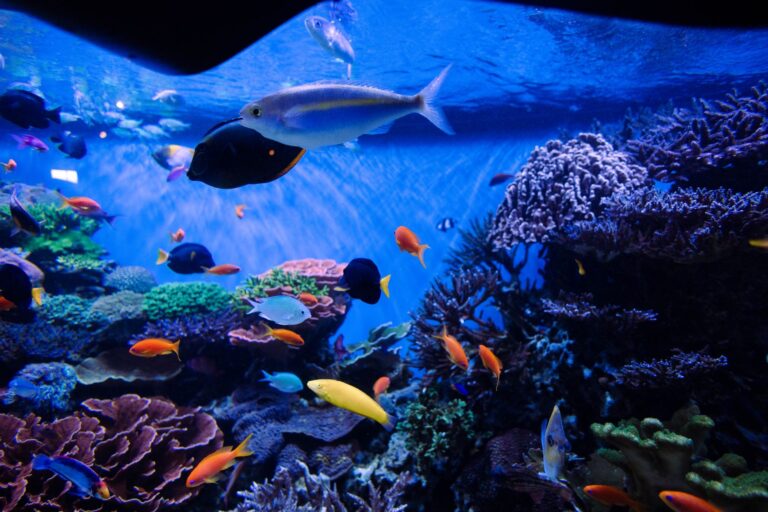
- Rocks and crevices: Incorporating rocks and crevices can provide deepwater marine angelfish species with hiding places and areas for feeding and breeding.
- Plants: Adding plants, such as sea fans and sea whips, can help to create a natural environment and provide food and shelter for deepwater marine angelfish species.
These habitat features must be carefully designed and maintained to ensure the health and well-being of deepwater marine angelfish species.
Nutritional Requirements
Deepwater marine angelfish species are carnivores, and their dietary requirements are complex and varied. The following nutritional parameters are essential for sustaining healthy populations of deepwater marine angelfish species:
- Protein: 50-60% of diet
- Fat: 10-20% of diet
- Carbohydrates: < 10% of diet
- Vitamins and minerals: essential for immune function and overall health
These nutritional parameters must be carefully balanced and provided in a variety of forms, including live and frozen foods, to ensure the health and well-being of deepwater marine angelfish species.
Case Studies and Expert Insights
To gain a deeper understanding of the environmental variables required to sustain healthy populations of deepwater marine angelfish species, we spoke with several experts in the field. Dr. Maria Rodriguez, a renowned marine biologist, emphasized the importance of water quality and habitat design. “Deepwater marine angelfish species are highly sensitive to changes in water chemistry, and even small fluctuations can cause stress and disease. Providing a complex, three-dimensional habitat with a variety of coral formations, rocks, and plants is essential for their well-being.” Dr. John Taylor, a veteran aquarium curator, added, “Nutrition is also a critical factor, and providing a balanced diet that includes a variety of live and frozen foods is essential for sustaining healthy populations of deepwater marine angelfish species.”
Best Practices for Sustaining Healthy Populations
Based on our research and expert insights, the following best practices can be recommended for sustaining healthy populations of deepwater marine angelfish species:
- Conduct regular water quality testing and maintain optimal parameters.
- Provide a complex, three-dimensional habitat with a variety of coral formations, rocks, and plants.
- Offer a balanced diet that includes a variety of live and frozen foods.
- Monitor and maintain optimal nutritional parameters.
- Provide regular veterinary care and monitoring.
By following these best practices, professionals can create a thriving environment for deepwater marine angelfish species and help to sustain healthy populations of these incredible creatures.
Conclusion and Call to Action
Sustaining healthy populations of deepwater marine angelfish species requires a deep understanding of the environmental variables that govern their lives. By providing optimal water quality, habitat, and nutrition, professionals can create a thriving environment for these incredible creatures. We encourage all professionals working with deepwater marine angelfish species to take a proactive approach to their care, following the best practices outlined in this article. Together, we can help to ensure the long-term health and well-being of these magnificent fish and preserve the beauty and diversity of our oceans for future generations.
Photo by Ylanite Koppens (via Pexels)