Maintaining Chemical Parameter Stability in Industrial-Scale Closed Loop Marine Displays
Introduction to Industrial-Scale Closed Loop Marine Displays
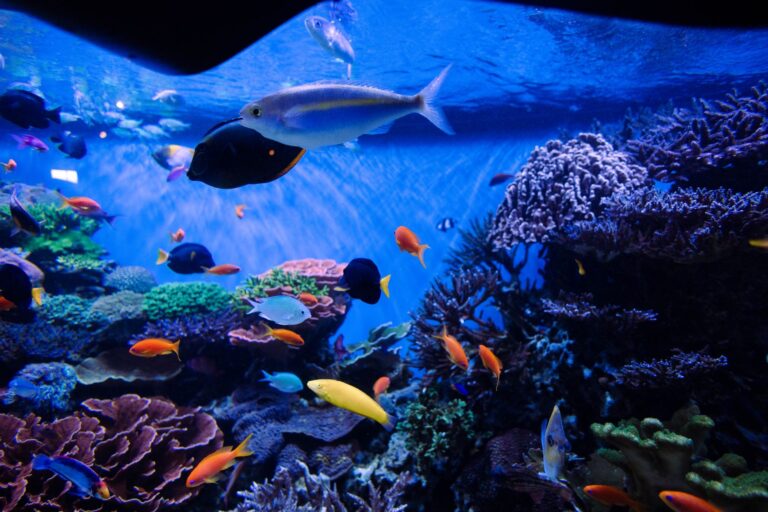
Industrial-scale closed loop marine displays have become increasingly popular in recent years, with many aquariums and marine parks investing in these complex systems. These displays are designed to mimic the natural environment of marine ecosystems, providing a stable and healthy environment for a wide range of marine species. However, maintaining precise chemical parameter stability within these systems is a complex and challenging task, requiring a deep understanding of marine reef biology and the latest technological advancements.
One of the key challenges in maintaining chemical parameter stability in industrial-scale closed loop marine displays is the sheer size and complexity of these systems. These displays can range in size from a few thousand gallons to millions of gallons, and can include a wide range of marine species, from fish and invertebrates to coral and other microorganisms. As a result, maintaining precise control over chemical parameters such as pH, ammonia, and nitrite levels can be a daunting task, requiring a high degree of technical expertise and specialized equipment.
Historical Context of Marine Reef Biology
The study of marine reef biology has a long and fascinating history, dating back to the early 20th century. One of the key figures in the development of this field was the American marine biologist, Thomas Goreau, who conducted extensive research on coral reefs in the 1950s and 1960s. Goreau’s work laid the foundation for our modern understanding of coral reef ecology and the importance of maintaining precise chemical parameter stability in these ecosystems.
In the 1970s and 1980s, the development of new technologies such as water pumps, protein skimmers, and calcium reactors revolutionized the field of marine reef biology, making it possible to maintain large-scale marine displays with greater ease and precision. Today, these technologies are still widely used in industrial-scale closed loop marine displays, and have been supplemented by a range of new and innovative technologies, including advanced water monitoring systems and automated chemical dosing systems.
Core Principles of Chemical Parameter Stability
Maintaining precise chemical parameter stability in industrial-scale closed loop marine displays requires a deep understanding of the core principles of marine reef biology. These principles include:
- pH stability: Maintaining a stable pH level is critical in marine reef ecosystems, as fluctuations in pH can have a significant impact on the health and well-being of marine species.
- Ammonia and nitrite control: Ammonia and nitrite are toxic substances that can build up in marine displays if not properly controlled. Maintaining precise control over these parameters is critical to preventing the buildup of these toxins and ensuring the health and well-being of marine species.
- Calcium and alkalinity stability: Calcium and alkalinity are critical parameters in marine reef ecosystems, as they play a key role in the growth and development of coral and other marine species.
By understanding and applying these core principles, aquarium professionals can maintain precise chemical parameter stability in industrial-scale closed loop marine displays, providing a healthy and stable environment for a wide range of marine species.
Technological Advancements in Chemical Parameter Stability
In recent years, there have been a number of significant technological advancements in the field of chemical parameter stability, including:
- Advanced water monitoring systems: These systems use advanced sensors and software to monitor chemical parameters such as pH, ammonia, and nitrite levels in real-time, providing aquarium professionals with the data they need to make informed decisions about chemical parameter stability.
- Automated chemical dosing systems: These systems use advanced algorithms and sensors to automatically dose chemicals such as calcium and alkalinity supplements, providing precise control over chemical parameters and reducing the risk of human error.
- Artificial intelligence and machine learning: These technologies are being used to develop advanced predictive models of chemical parameter stability, allowing aquarium professionals to anticipate and prevent fluctuations in chemical parameters before they occur.
By leveraging these technological advancements, aquarium professionals can maintain precise chemical parameter stability in industrial-scale closed loop marine displays, providing a healthy and stable environment for a wide range of marine species.
Case Study: The Georgia Aquarium
The Georgia Aquarium is one of the largest and most advanced aquariums in the world, with a wide range of marine species and ecosystems on display. The aquarium’s chemical parameter stability system is a state-of-the-art example of how technological advancements can be used to maintain precise control over chemical parameters in industrial-scale closed loop marine displays.
The Georgia Aquarium’s system uses advanced water monitoring sensors and software to monitor chemical parameters such as pH, ammonia, and nitrite levels in real-time. The system also includes automated chemical dosing systems, which use advanced algorithms and sensors to automatically dose chemicals such as calcium and alkalinity supplements. By leveraging these technologies, the Georgia Aquarium is able to maintain precise chemical parameter stability, providing a healthy and stable environment for its marine species.
Guidelines for Maintaining Chemical Parameter Stability
Maintaining chemical parameter stability in industrial-scale closed loop marine displays requires a deep understanding of the core principles of marine reef biology, as well as the latest technological advancements. The following guidelines provide a comprehensive overview of the steps aquarium professionals can take to maintain precise chemical parameter stability:
- Monitor chemical parameters regularly: Regular monitoring of chemical parameters such as pH, ammonia, and nitrite levels is critical to maintaining precise chemical parameter stability.
- Use advanced water monitoring systems: Advanced water monitoring systems can provide real-time data on chemical parameters, allowing aquarium professionals to make informed decisions about chemical parameter stability.
- Implement automated chemical dosing systems: Automated chemical dosing systems can provide precise control over chemical parameters, reducing the risk of human error and maintaining precise chemical parameter stability.
By following these guidelines, aquarium professionals can maintain precise chemical parameter stability in industrial-scale closed loop marine displays, providing a healthy and stable environment for a wide range of marine species.
Conclusion and Final Considerations
In conclusion, maintaining precise chemical parameter stability in industrial-scale closed loop marine displays is a complex and challenging task, requiring a deep understanding of marine reef biology and the latest technological advancements. By leveraging advanced water monitoring systems, automated chemical dosing systems, and artificial intelligence and machine learning, aquarium professionals can maintain precise control over chemical parameters, providing a healthy and stable environment for a wide range of marine species.
One key consideration for aquarium professionals is the importance of regular maintenance and upkeep of chemical parameter stability systems. This includes regular calibration of water monitoring sensors, replacement of chemical dosing system components, and software updates to ensure that systems are running optimally. By prioritizing regular maintenance and upkeep, aquarium professionals can ensure that their chemical parameter stability systems are functioning properly, providing a healthy and stable environment for their marine species.
A critical optimization tip for aquarium professionals is to ensure that their chemical parameter stability systems are integrated with other life support systems, such as water pumps and protein skimmers. This can help to prevent fluctuations in chemical parameters and maintain precise control over water quality. By integrating these systems, aquarium professionals can create a highly efficient and effective life support system that provides a healthy and stable environment for their marine species.
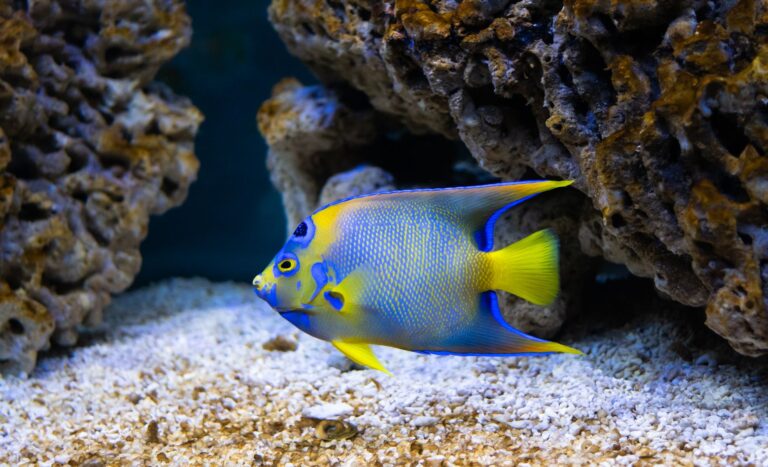
Photo by Jeffry Surianto (via Pexels)